

Interview
Haley Mlotek
The writer on the movies, places, and people that helped shape her new book.
Share:
The adage that half of all marriages end in divorce doesn’t quite match current statistics, but there have been times when it came close, at least stateside (recent estimates predict 41 percent of first marriages in the U.S. will end in divorce). In the winking title of writer Haley Mlotek’s forthcoming debut No Fault: A Memoir of Romance and Divorce, she refers to the adoption of no-fault divorce laws in America throughout the 1970s, which led to a spike in divorces and reshaped our cultural perception of marriage in the process. Paul Mazursky’s revelatory romantic comedy An Unmarried Woman (1978) and David Cronenberg’s more disturbing cult thriller The Brood (1979) fall among the canonical depictions of divorce from this era and both have been chosen by Mlotek for her upcoming Metrograph series The Divorced Women’s Film Festival: No Fault. The writer includes more recent portraits of marriage torn asunder such as The First Wives Club (1996), a now iconic romp of women scorned and wrathful, rivaled only by Angela Bassett as arsonist in Waiting To Exhale (1995). As a result, Mlotek’s selections chart the changing attitudes towards divorce across nearly two decades.
In No Fault, which arrives in stores and libraries this month, Mlotek writes with curiosity and compassion about the dissolution of her own marriage while also reflecting on divorce as a ubiquitous cultural phenomenon. She evokes her experience as a child of divorce and, more unusually, the child of a divorce mediator. Her first job was doing administrative work for her mom’s business out of their Toronto home, and she spent her earnings at the local movie theater. Her current day job—producing editorial content for Feeld and helping to create the buzzy print magazine affiliated with the dating app—makes use of her skills as both a journalist and relationship researcher. Who better to take life-affirming film recommendations from? Below, we discuss what makes divorce narratives so compelling.—Thora Siemsen

The First Wives Club (1996)
Thora Siemsen: Congratulations on your book. My favorite sections were on dating and movies, so I’m really glad you asked me to speak with you about your series.
Haley Mlotek: And how wonderful that so many of the movies themselves are about dating, so that we can combine your favorites.
TS: In No Fault, you write, “In movies, one can see how the overarching mood of a decade influences the tone of the story.” Based on contemporary films, what do you see as the overarching mood—especially as it relates to relationships or marriages—of the decade we’re in?
HM: Is it cheating if I say confusion?
TS: No, that works.
HM: I say confusion because, firstly, there are confused moods to these films: many different overlapping and sometimes contradictory messages about marriage, divorce, intimacy, and partnership. And secondly, because I also find the characters in these stories to be depicted as people who are quite confused. They genuinely don’t know what these situations should mean to them, or how much power they should be giving to them, or how much they want to acknowledge the power that [these relationships] already had over their lives. Which I think is perhaps the general mood and feeling of being a person in this moment.
TS: Whose film criticism do you like to read?
HM: I always recommend Rachel Abramowitz’s book Is That a Gun in Your Pocket? I don’t know if that counts as criticism, but that’s some of my favorite film writing. When I’m teaching, I often teach a memoir writing class, and I’ll assign James Baldwin’s essay on The Exorcist (1973) to my students as a way to talk about bringing a personal perspective into a different form—in this case, cultural criticism—because you can read how much his personal experience of religion really influenced his reading of that film. There’s one other example that’s not film criticism, but I’m going to cheat and add it anyway: Ellen Willis comparing The Sopranos to Middlemarch in The Nation. I think that is one of the best works of cultural criticism I’ve ever read.
TS: Whose writing on divorce do you like best?
HM: This is such a hard question. I never want to choose. Once again, they’re all my best friends. In No Fault I write about the short story by Grace Paley, called “Wants.” And then there’s Vivian Gornick on her first marriage. One favorite that is so under the surface and quiet are the sentences in Sleepless Nights by Elizabeth Hardwick. There’s that one sentence: “we were a we then.” I’m paraphrasing, but that sort of elliptical reference to an entire marriage and divorce…I find it so powerful. In terms of their overall catalog, I love the writing of Lucia Berlin and Deborah Levy, and of course Elena Ferrante’s approach to writing about what romance does in a woman’s life, what separation does. I’ve only just recently started reading more Philip Roth. For filthiness and funniness, and bitterness and sexiness, that’s untouchable.
I frequently reread Heidi Julavits’s book, The Folded Clock. She writes really beautifully about her first marriage and her subsequent divorce. There’s also Jamaica Kinkaid’s novel See Now Then, which has a similar structure to Julavits’s asynchronous approach to diary. There’s a quality of being outside of time in writing about divorce that I respond very strongly to.
The Age of Innocence (1993)
TS: Why do you think divorce is a compelling subject to watch on screen?
HM: I have thought about this so much. If we follow the conventional wisdom that movies need certain things in order to succeed—and this is the very broad way of thinking about movies—you need a protagonist to care about, you need conflict to drive the story forward, and you need some sort of resolution to the problems introduced by that story—not necessarily a conclusion, but at least some sort of ending—then divorce becomes very much like the way we see desire in romances, or like a death or a trauma.
Like with every movie, including these more mainstream conventions I’m talking about, there’s a very necessary feeling of voyeurism. We know that so much of marriage and divorce is very private, and it can be quite secretive. There’s a lot of shame and guilt, and wanting to keep things to yourself. These movies kind of serve the need to know what’s going on behind closed doors, but also the thrill of feeling like you’re seeing something that maybe you normally wouldn’t.
TS: How did you decide on which films to include for your Metrograph program?
HM: It was really hard. I did try to start with the movies that I write about in the book with the most significance. It could’ve been a month of divorce movies. It could’ve been a year. But these are the films that feature most prominently in No Fault. There are some others that aren’t in the program that could be a kind of sequel to the Divorced Women’s Film Festival. I wanted to do a kids’ matinee screening of Mrs. Doubtfire (1993) for example. I also would’ve loved to include some of the movies about divorce that I love but don’t write about in the book. The one I’m thinking of specifically is A Separation (2011), which is probably one of the best movies about divorce and custody ever. Or Certified Copy (2010), which is one of my favorites.
TS: In the book, you write about being the child of a divorce mediator, as well as being a child of divorce. It was interesting to read it while my own parents divorced each other.
HM: Do you find that you’re drawing yourself towards more stories about divorce, either in movies or elsewhere?
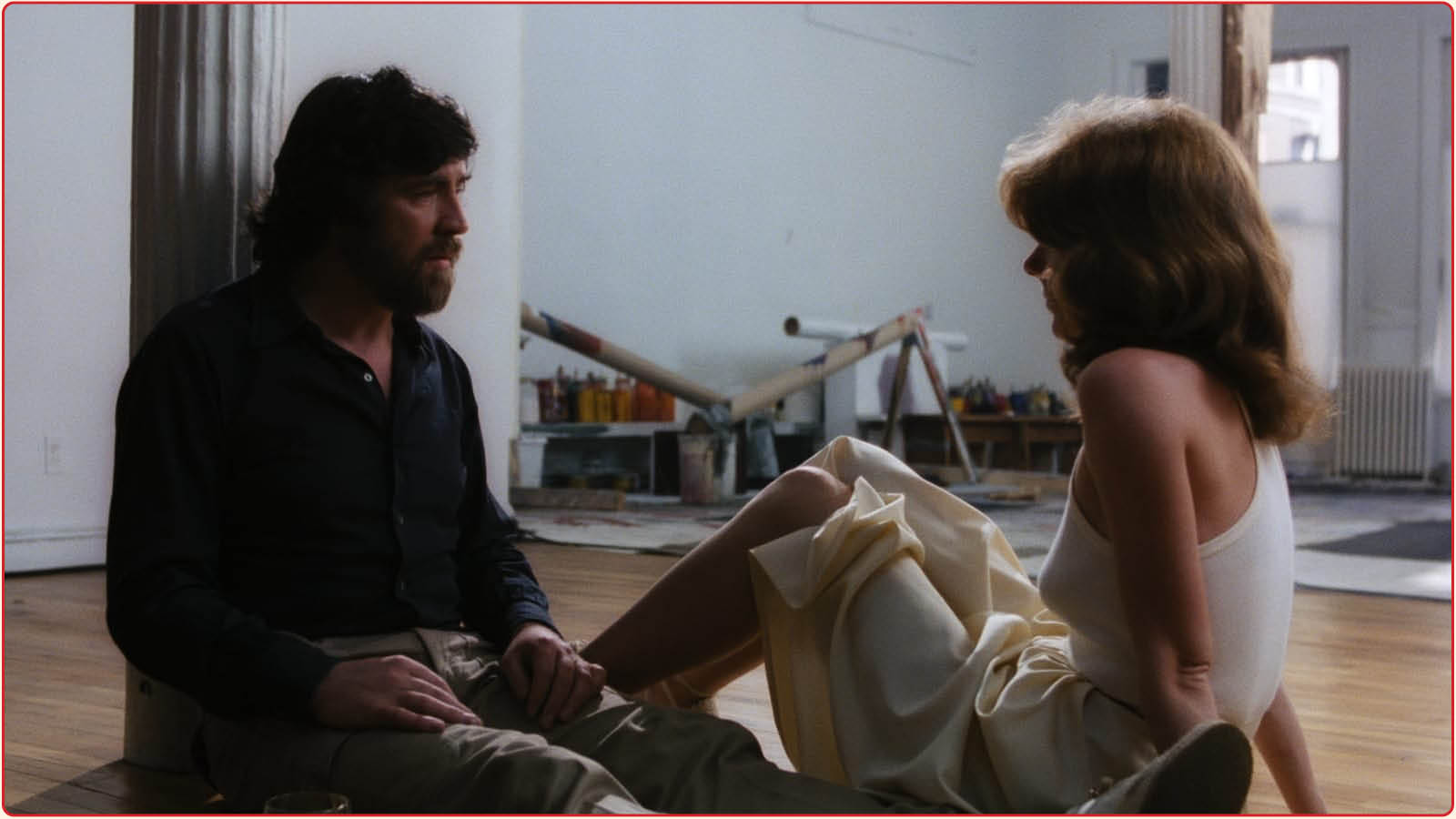
TS: I think your book was the last time that I sought it out as a subject. But I have watched films about divorce recently. Some pre-Code ones, like Three on a Match (1932). I got a DVD of An Unmarried Woman off eBay years ago before Criterion released it on Blu-ray. I’m glad it’s easier to get a hold of that film these days. When did you first see it?
HM: That was one that I always knew had to be in the program, specifically because it is so difficult to find streaming. And before we spoke, I was trying to think about where I first heard of it. I have a memory of watching it with my boyfriend at the time, Dylan, who I do write about in the book. He had a projector, and he brought it over to my first apartment after my divorce and we projected it on the big, blank wall in my living room. That’s a nice memory of what was certainly an early viewing experience. Since then I have watched it a lot, and I’ve had to scrounge and steal it any chance I can get, with apologies to the filmmakers. But I hope it’s a reminder that the way streaming services command access to film is a real barrier to understanding the actual scope of film history. Just because it’s not streaming doesn’t mean it doesn’t exist. I’m really hopeful that people come out to see this one specifically, and keep seeking out other movies that deserve more attention, more recognition.
What did you think about it when you first saw it?
TS: I watched it when I lived in New York, but that’s one of those movies that would make me want to live there if I didn’t already. I wish more films about relationships were made like that now. I think we’d be better off.
HM: Me too.
TS: I think Paul Mazursky is underrated.
HM: Absolutely.
Waiting to Exhale (1995)
TS: The First Wives Club was, no pun intended, the first of the films in your program that I remember encountering. Which film from your lineup did you see initially?
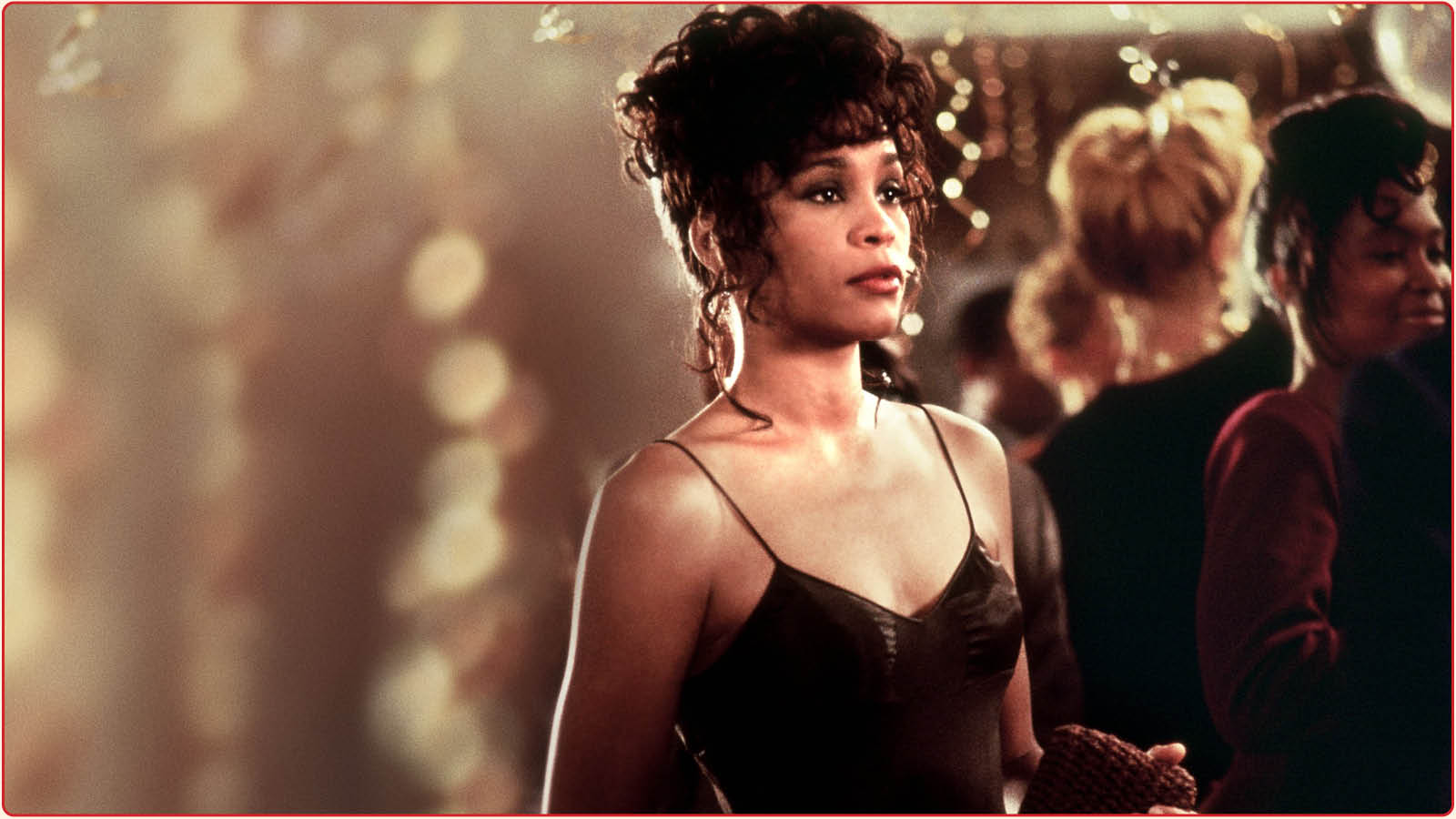
HM: I think it was The First Wives Club as well. It’s so funny to think about my sisters and I being obsessed with that movie, because now when I’m watching it, I’m like, “What did we get from watching that as like, eight year olds, or whatever?” But maybe it was a perfect movie for kids who were desperate to feel like they were watching an adult movie. If it would’ve been anything else, it would have been The War of the Roses (1989), which my mother always said was her favorite movie about divorce, so it’s very likely we watched that as a family. And then I was probably watching Waiting to Exhale on a Saturday afternoon on TBS whenever that was playing.
TS: Waiting to Exhale is another regionally specific film for me because Whitney’s character is driving away from Colorado at the beginning, and then it’s set in Phoenix, no?
HM: You’re right, yeah.
TS: She’s in her car thinking, “The deal is, the men in Denver are dead.” She’s heading for Phoenix, my hometown.
Which film from your program did you come across most recently?
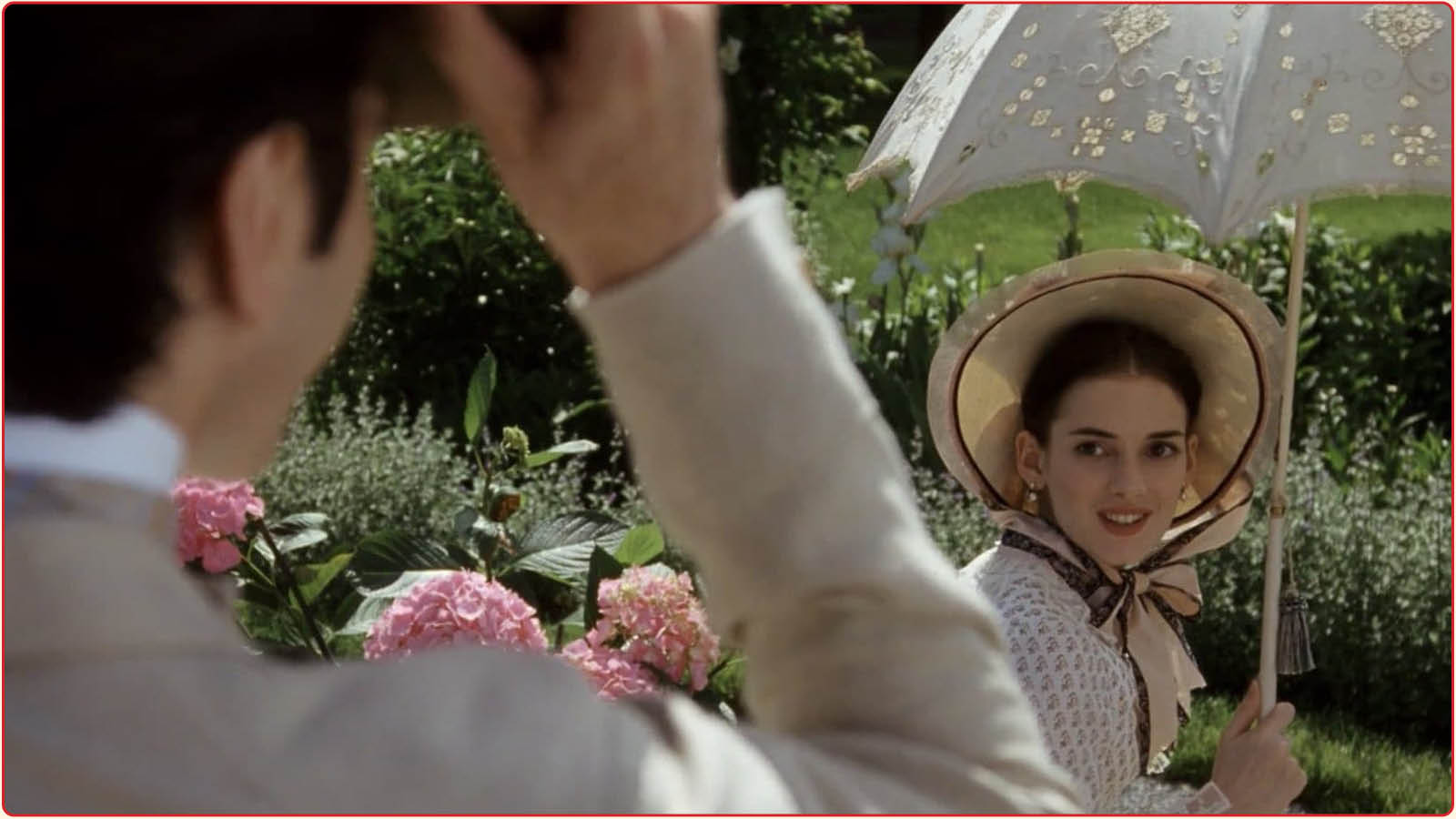
HM: The other films in this series are definitely ones I saw in my twenties and thirties. Many years ago, when I first started working as a writer, I wrote a big essay on David Cronenberg’s career. That was in my mid-to-late twenties, and that’s when I saw The Brood. I think the last one I saw—which is wild because it’s obviously my favorite, or at least one of my favorites—is The Age of Innocence (1993), because I know for sure I only saw that when Teo [Bugbee] and I worked together at MTV, and that was in my early thirties. On the one hand I’m like, “Oh no, I spent so many years not knowing this movie existed,” but that also means I got to have the pleasure of seeing it for the first time as a divorcée.
TS: You’re making up for lost time by making sure other people see it.
HM: That’s so true. Yes.
TS: Can you think of films which depict marriages you admire?
HM: Oh, this was one of the questions that I was like, “I really have to sit and think about it before we talk.” For some reason it’s a very hard question! And you know what’s funny, when I was really thinking about it, I noticed that Stanley Tucci comes up as a consistent good husband in comedies. I was thinking about him in Easy A (2010) with Patricia Clarkson. And then, Julie and Julia (2009)—which I have lots of feelings about, it’s not my favorite Nora Ephron—but him and Meryl Streep in that… I have shown that to people and said, “That’s the marriage I want.” That’s the type of beautiful, romantic friendship in a marriage that I love to see.
There’s a great book by Jeanine Basinger called I Do and I Don’t that’s all about the history of marriages in cinema, and divorce, and remarriage. I remember she has a funny point at the end of the book that some of the best marriages we see in culture have been on television. She specifically cites Coach and Tami Taylor from Friday Night Lights. So I’ll also cheat and include them. And then, in the remarriage comedies, I do love the way they depict married couples as being like, so wonderfully and exasperatingly at odds with each other. I recently rewatched His Girl Friday (1940).
TS: Love that movie.
HM: It’s so funny. Every time I watch it, I laugh out loud at something different. Normally it’s Rosalind Russell that I’m obsessed with, but for some reason, on this rewatch, I was dying at everything Cary Grant did.
TS: Do you have many film snobs in your life?
HM: Of course. And I’m so grateful for them because—I love to joke about this, but I also kind of believe it—but my favorite joke is that all movies are good. Which I do stand by because it’s just so hard to get a movie made! And it represents so much compromise and cooperation and pure labor. Every movie is a miracle. But that being said, we should hang onto a little bit of snobbiness as a preservative. The film snobs I know and love keep my standards higher.
TS: Do you have any snobby tendencies yourself? If so, which types of films are beneath you?
HM: Yes, I do. Even with my secret “all movies are good” political stance. I won’t name names, but I have a very strong personal aversion to basically any biopic. I kind of find them all, as a genre, a little embarrassing, and I have secondhand embarrassment issues. But if I had to think more intelligently about what it is that repels me from biopics, I think it has to do with any movie that trades on what I sense is an unearned or insincere sentimentality. Not all biopics do that, but certainly many of them. And I’m definitely very snobby about movies that are, let’s say, based on intellectual property instead of ideas. I don’t like that. Oh, and I will name names to say Marvel movies. I don’t like the Marvel movies. What about you? What are yours?
TS: I would say films that contain dehumanizing representations of politically vulnerable groups of people, those are beneath me.
HM: Completely.
TS: I won’t see September 5 (2024), for instance. I think the filmmakers know exactly what they’re doing by putting that out now. And I also dislike misogynistic films by women like The Substance (2024) or Promising Young Woman (2020).
HM: Mm-hmm.
TS: I will name names.
HM: No, I’m completely with you. This is another joke I always make: my feminism is that women can be bad. I do think it’s important when we see a movie that doesn’t work that we don’t just rely on the fact of who made it to excuse anything—like, for example, excusing misogyny in a movie, or ignoring misogynistic thinking, because if a woman made it then it can’t be misogyny. We should consider how people’s experiences and perspectives influence the movies they made, for sure, and then hold what they’ve accomplished to standards that are as high as possible.
TS: Thank you so much for making time for this.
HM: We really did it. We got through it.
TS: We did it. We’re such professionals.
An Unmarried Woman (1978)

Share:
About the Contributor
Recommended
- Kogonada
 On the filmmaker’s observational portraits of time and space.
 - Virgina
 On the rediscovery of a lost film tackling the complexities and pleasures of gender expression in the Balkans.
 - Farley Granger
 On the queer star who defied mid-century Hollywood archetypes.