

Columns
At Home With… July Picks
Friends of Metrograph J. Hoberman, Vanessa Saba, and Kit Zauhar each share a film they love, streaming on demand on the Metrograph At Home platform.
Share:
J. Hoberman Selects
The Deep Blue Sea

Deep Blue Sea, dir. Terence Davies, 2011
Davies’s daringly retro, un-ironic adaptation of Terence Rattigan’s dated adultery melodrama The Deep Blue Sea presents the beautiful Rachel Weisz as Hester Collyer, a well-off married woman who sacrifices the security of her marriage to a paternal, titled magistrate for a dead-end affair with a younger and uncommitted ex RAF pilot. A less confident Lady Chatterley involved with a more diffident lower-class lover, Hester is liberated and destroyed by love. With its bell-jar hermeticism, precise sound, and perfectly diffused light, the movie verges on the rhapsodic. Would that Davies had gone full retro. Stripped of Rattigan’s big brittle scenes and ponderously corny dialogue, The Deep Blue Sea could truly have been a magnificent silent movie.
J. Hoberman, longtime film critic for the late, lamented Village Voice, continues to write. Following a monograph on the Marx Brothers’s movie Duck Soup, his latest book Everything is Now: The 1960s New York Avant-Garde—Primal Happenings, Underground Movies, Radical Pop has recently been published by Verso.
Vanessa Saba Selects
Bergman Island
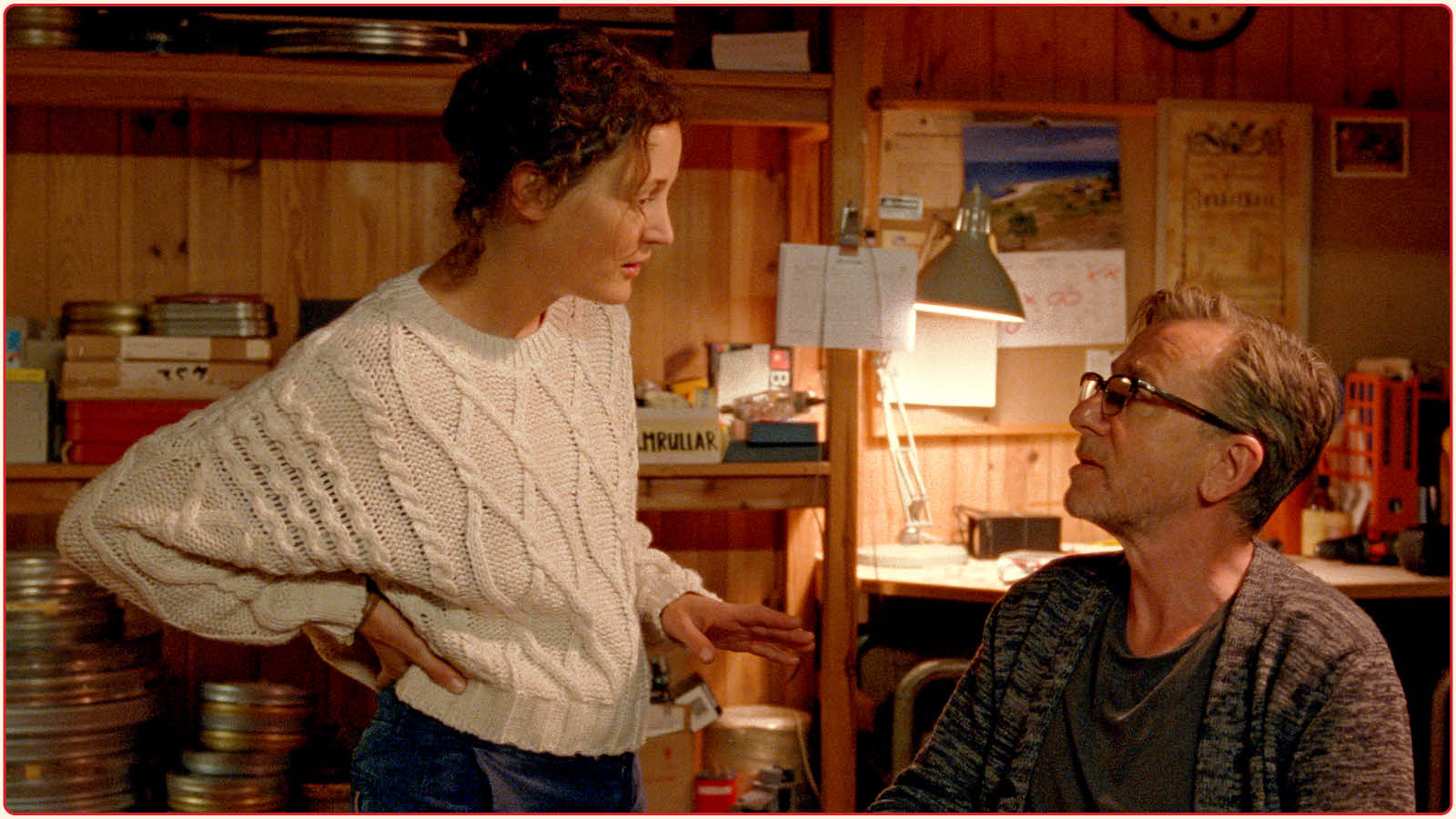
Bergman Island, dir. Mia Hansen-Løve, 2021
Bergman Island opens with an arrival: a couple, Tony and Chris, both filmmakers, are making their way to the island of Fårö. Through winding roads they arrive at a bucolic property where the director Ingmar Bergman lived and worked. They’ve left their four-year-old-daughter with her grandmother, they’ve come to Fårö to write. The landscape and cinematography are idyllic; the Baltic Sea meets the forest, rendered in a sepia-toned color palette that feels more true to memory than life. There, Chris learns that Bergman, an artist she has long idolized, fathered nine children with six different women. Could he have achieved such prolific success had he been the one sacrificing his time and attention to raise those children? We all know the answer. And from there, the film proceeds with a quiet searching. The camera and characters move throughout the island, on a quest to locate something that may or may not even still be there. Tony is the more established writer of the two, his success overshadowing and predictably, perhaps—like Bergman—made at someone else’s devoted expense. It is Chris who is questioning, yearning, quietly clawing her way against time and circumstance. And this searching is analogous to the writing process, to the artistic process—what Chris compares to that of squeezing blood from a stone—the internal and external landscapes that we traverse. At one extremely arresting moment in the film, the boundaries between life and art entirely dissolve, as we, like Chris, try to resolve how they both might be reckoned with.
Vanessa Saba is a Brooklyn-based collage artist and a frequent artistic contributor to The New York Times. She is also the creative director and designer of Mother Tongue magazine.
Kit Zauhar Selects
Mutual Appreciation
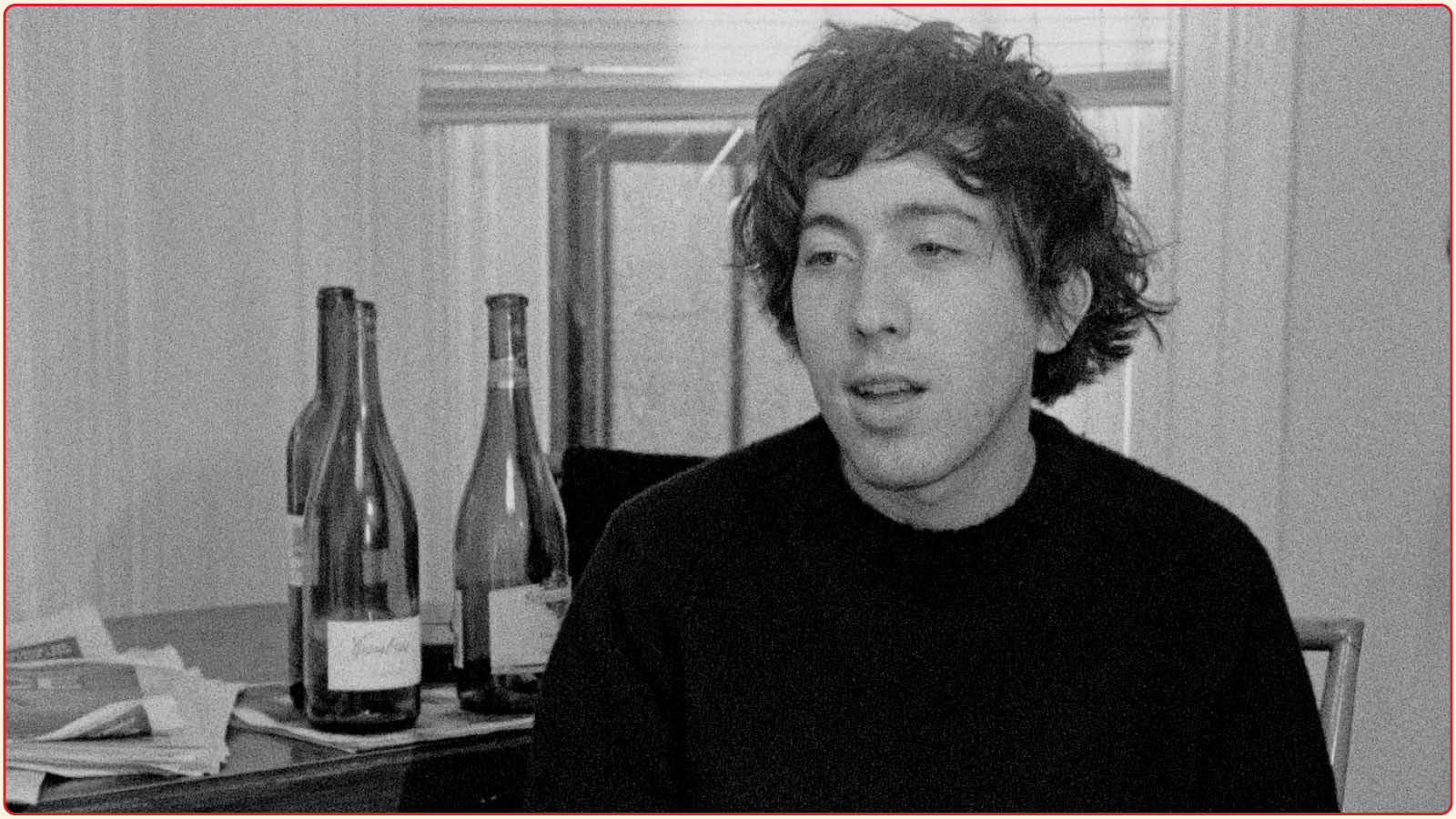
Mutual Appreciation, dir. Andrew Bujalski, 2005
I was lucky enough to watch Mutual Appreciation on the big screen for the film’s 20th anniversary, and I’m happy to report that it not only held up from my first college dorm room viewing, but exceeded my memories of its hilarity, cringe, and heart. A movie that will teleport you back to a time of NYC hipsterdom (not derogatory—sweet, fun!), the swirly surreal feeling of a never-ending night out, and the horrible amazing yearning of the young, cool, and bumbling as they figure out what the hell is going on. Watch it on a night when you think everyone’s out having more fun than you; it’ll make you realize that probably isn’t true at all.
Kit Zauhar is a director, writer, and actress from Philadelphia currently living in NYC. You can find out more about her life and work at kitzauhar.com
Share:
Recommended
- Green Snake
 On Tsui Hark’s subversive reimagining of an immortal Chinese folk tale, starring Maggie Cheung as a serpent demon.
 - Travel Companions: Bahram Beyzaie & Amir Naderi
 On two defining Iranian filmmakers, and two of their most enduring works.
 - A New Love in Tokyo
 On the pulse of pleasure in Banmei Takahashi’s effervescent Pink drama.