
Essay
JULIUS EASTMAN
On Anaïs Ngbanzo’s portrait of the pioneering avant-garde composer, now finally getting his due.
Share:
A Different Score (2023)
ANAÏS NGBANZO’S DIRECTORIAL DEBUT, A Different Score (2023), is about a composer who gave us vital work but little evidence of his time on Earth. Were he still here, Julius Eastman would be turning 83 in a few weeks. Instead, he died alone at the age of 49, back in 1990. A Black and gay composer in a field with few options for solidarity, Eastman left behind a few dozen compositions and a scattering of recordings. His career really began after his death, in 2005, when Mary Jane Leach produced a 2-CD compilation of his work, Unjust Malaise. The narrative around minimalism changed overnight, more or less.
Eastman’s work for large ensembles and his pieces for multiple pianos, especially, introduced a looseness and sense of fruitful chaos into pieces that hammer away at two or three notes for a long time. Eastman called this work “organic music.” Further, he said “they’re not perfect, but there’s an attempt to make every section contain all of the information of the previous sections or else taking out information at a gradual and logical rate.” The best place to hear how this works is on the phenomenal 1974 recording of Femenine, performed by the S.E.M. Ensemble. The music grows and tumbles and accretes in this ragged, glittering way, feeling both dignified and solid and unbounded.
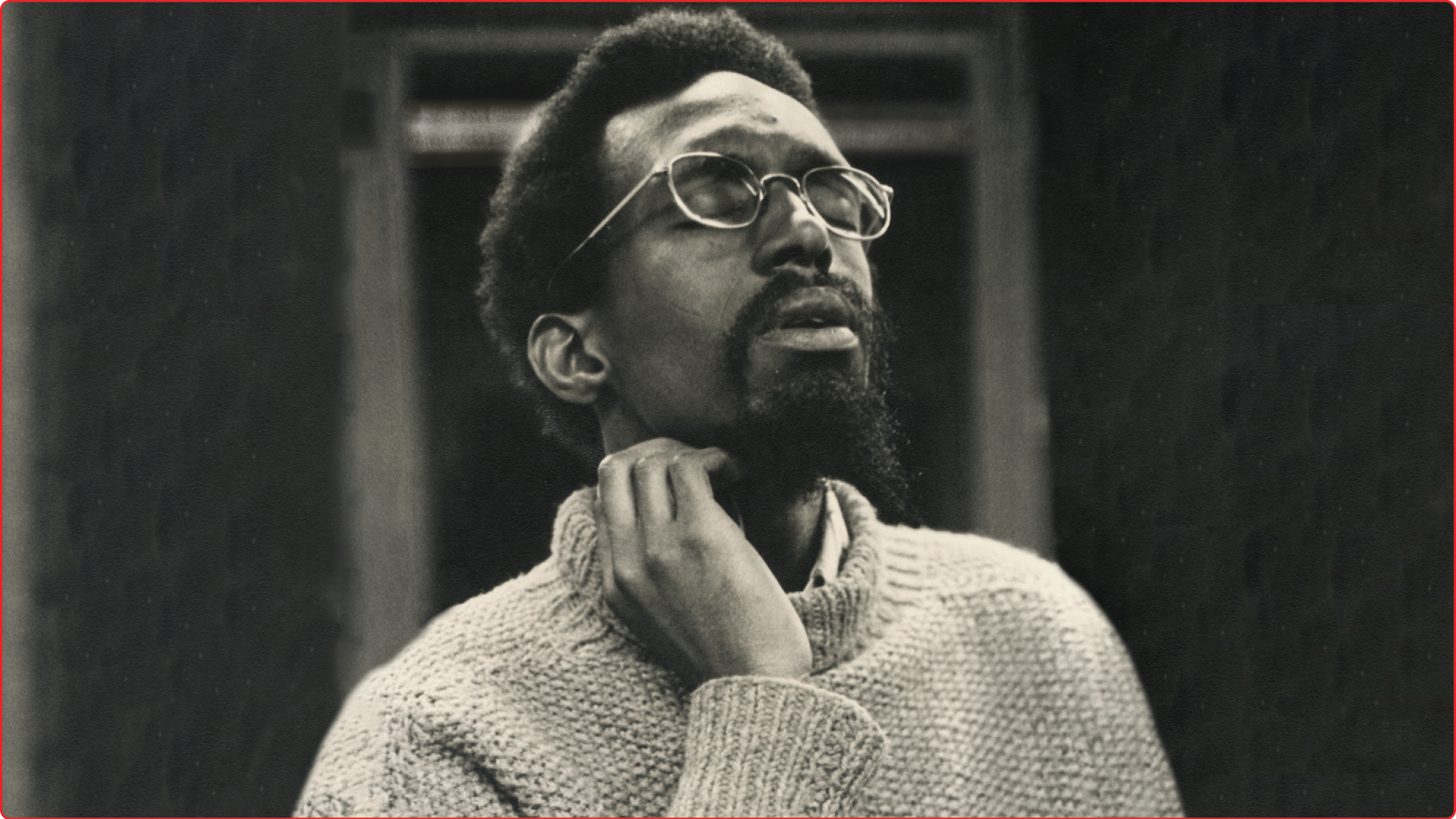
Julius Eastman photographed by Chris Rusiniak, 1974.
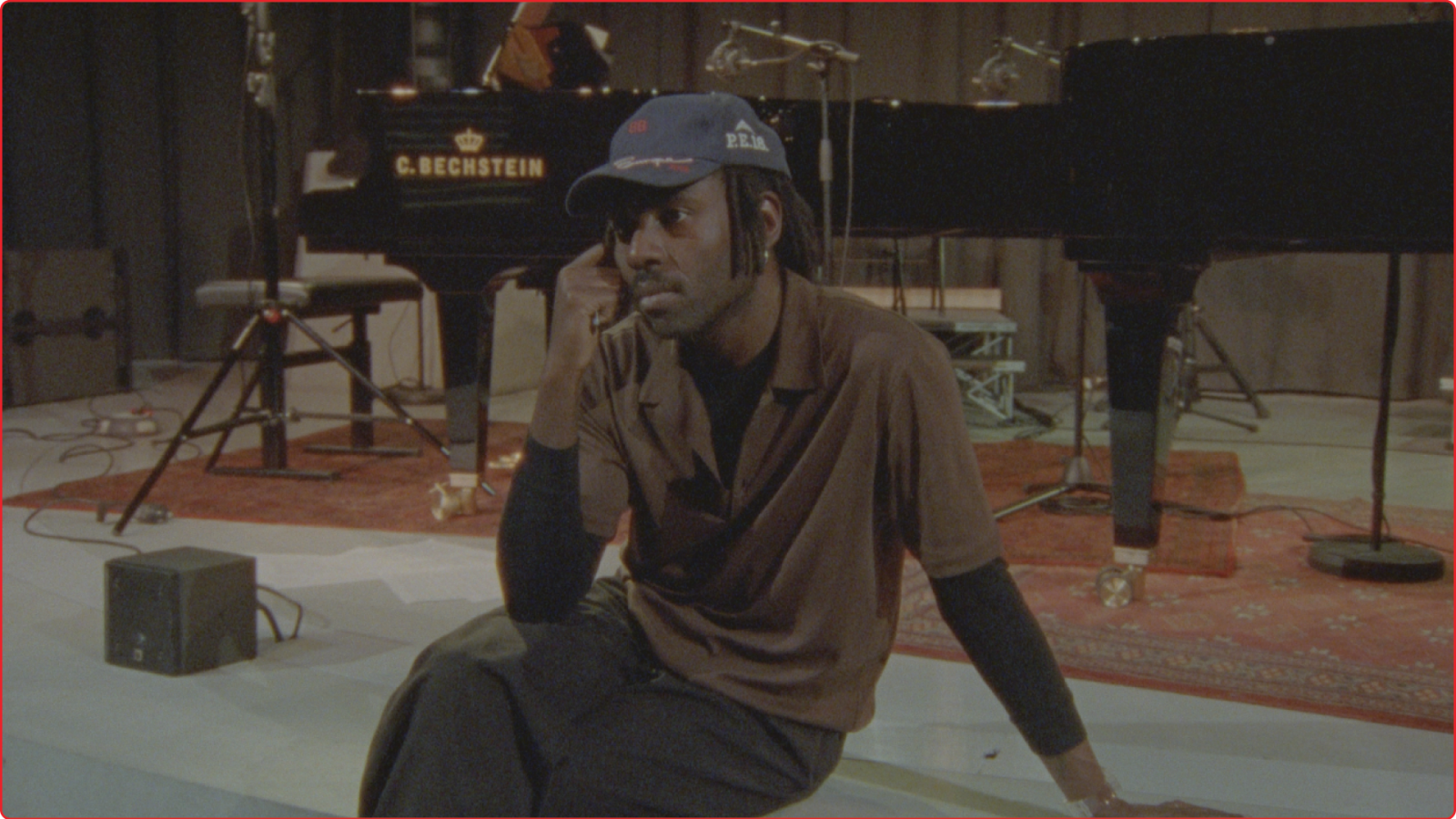
Ngbanzo centers her film on a performance of Eastman’s work by Devonté Hynes, known in the world of pop as Blood Orange. Hynes says, “If you’re just looking at it almost at an aesthetic value, it can sound like it’s quite free, but there really are boundaries in it.” As Hynes points out, Eastman pieces are very “physical” and, heard live, they are immersive in their own particularly sparkly way.
The scores for Eastman compositions are idiosyncratic, to say the least, with some demarcations entirely missing. His titles are not so much unusual as political pieces all by themselves: Evil Nigger is one of the most-often performed piano pieces, and Hynes does Evil for this movie, with two rather than the traditional four piano pieces.
As to why Eastman chose those titles, we have his own recorded remarks from a presentation at Northwestern University in 1980 (which Ngbanzo excerpts): “There were some students and one faculty member who felt that the titles were somehow derogatory in some manner, being that the word nigger is in it.” Eastman goes on to explain, “Now, the reason I use that particular word is because for me it has a, what is what I call a basicness about it. That is to say, I feel that in any case, the first niggers were, of course, field niggers. And upon that is really the basic basis of what I call the American economic system.”
Ngbanzo works with some delightful unseen footage and the audio from his legendary 1984 WNYC interview with David Garland. Eastman’s hesitation to answer any question with certitude is such a graceful analog to the indeterminacy of his music. I also love his commitment to sleeveless T-shirts. There will be more documentaries and more tributes but start here. A Different Score is only 30 minutes, an amount of time that Eastman was able to bend into infinity.
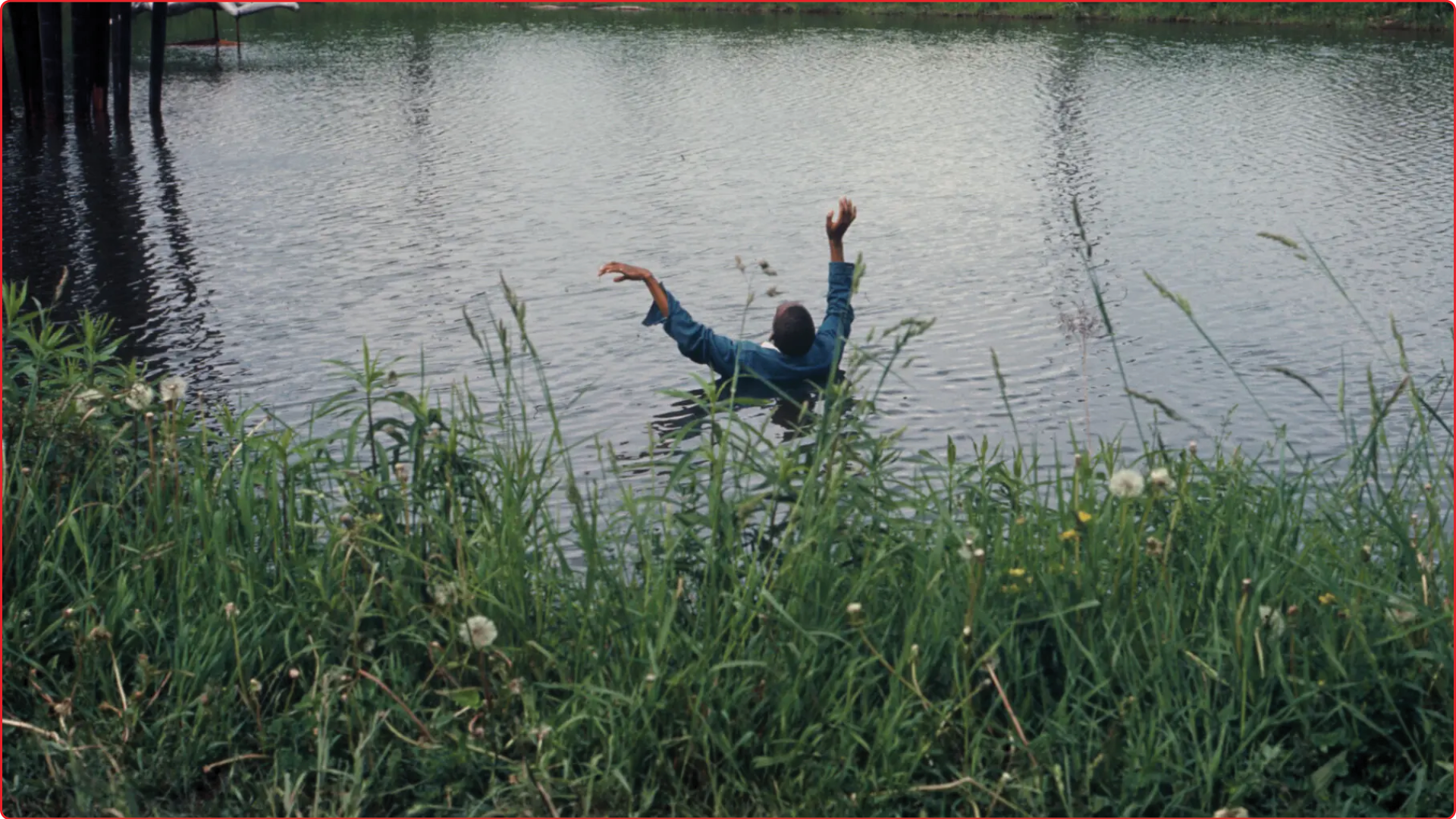
Julius Eastman photographed by Chris Rusiniak, 1974.
Share:
Recommended
-
Susan Seidelman
 An intimate conversation with the trailblazing American filmmaker.
 -
Carol Kane
 Fifty years in 50 minutes with the irrepressible screen icon.
 -
Mark Lee Ping-bing
 The legendary cinematographer reveals his three core beliefs.
- Lana Daher
 The Lebanese director discusses the ghosts of history.
 - Five Films About Football
 The Georgian director picks five of his favorites.
 - Listen Up! Light of Day
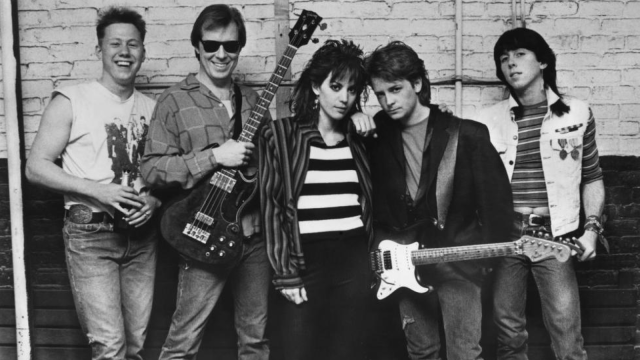 Metrograph’s Listen Up! column continues with a look at Paul Schrader’s love letter to Cleveland, family, and rock ’n’ roll.