
DECEMBER IN THEATER

The Eternal Daughter
opens December 2
An artist and her elderly mother confront long-buried secrets when they return to a former family home, now a hotel haunted by its mysterious past. Featuring a towering, deeply moving performance by Tilda Swinton, Hogg’s beguiling latest film is a brilliant and captivating exploration of parental relationships and the things we leave behind.


What’s Up Connection
opens December 2
Masashi Yamamoto’s cutting comedy looks at Japan through the eyes of outsider Chi Gau Shin (School on Fire’s Tse Wai-Kit), a visiting Hong Kong teenager whose family runs a counterfeiting business out of a hidden fishing hamlet. After winning a trip to the Land of the Rising Sun, Chi sets out on a journey that takes him to Tokyo and the Osaka slums, encountering new friends like the bumbling tour guide Kumi and the boisterous thief Akane. Returning to Hong Kong with his pals in tow, Chi finds that a Japanese developer has discovered his home village, and plans to bulldoze it and build a new global trade center in its place. Full of whiplash shifts of tone, Yamamoto’s genre pastiche is a devilishly entertaining David and Goliath story that romps its way towards revolution.
Robinson’s garden
OPENS December 2
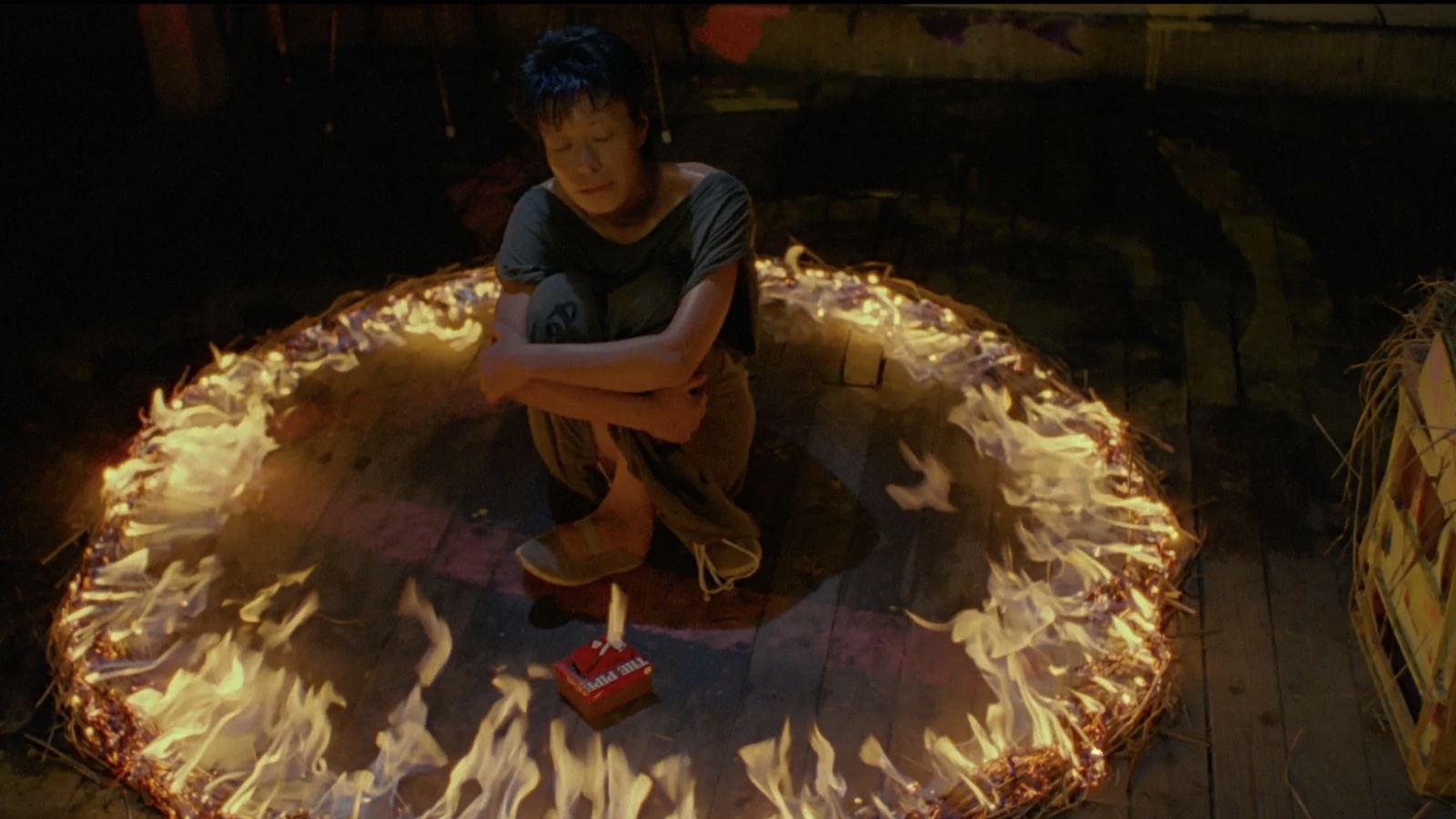
Wandering drunk into an abandoned industrial zone on the outskirts of Tokyo, drug-slinging social dropout Kumi (Kumiko Ohta) discovers a hidden oasis of thriving plant life. Returning, she starts to nurture this secret garden and brighten up the surroundings, inviting a motley crew of punk rockers and other assorted bohemians to join her in this makeshift sanctuary-though her deepest relationship is with the plot of land itself, an increasingly single-minded obsession that’s accompanied by some very strange behavior. A hypnotic urban fable from Yamamoto, with lush 16mm images courtesy of cinematographer Tom DiCillo, fresh from Stranger Than Paradise.
HACHIMIRI MADNESS: JAPANESE INDIES FROM THE PUNK YEARS
opens December 2
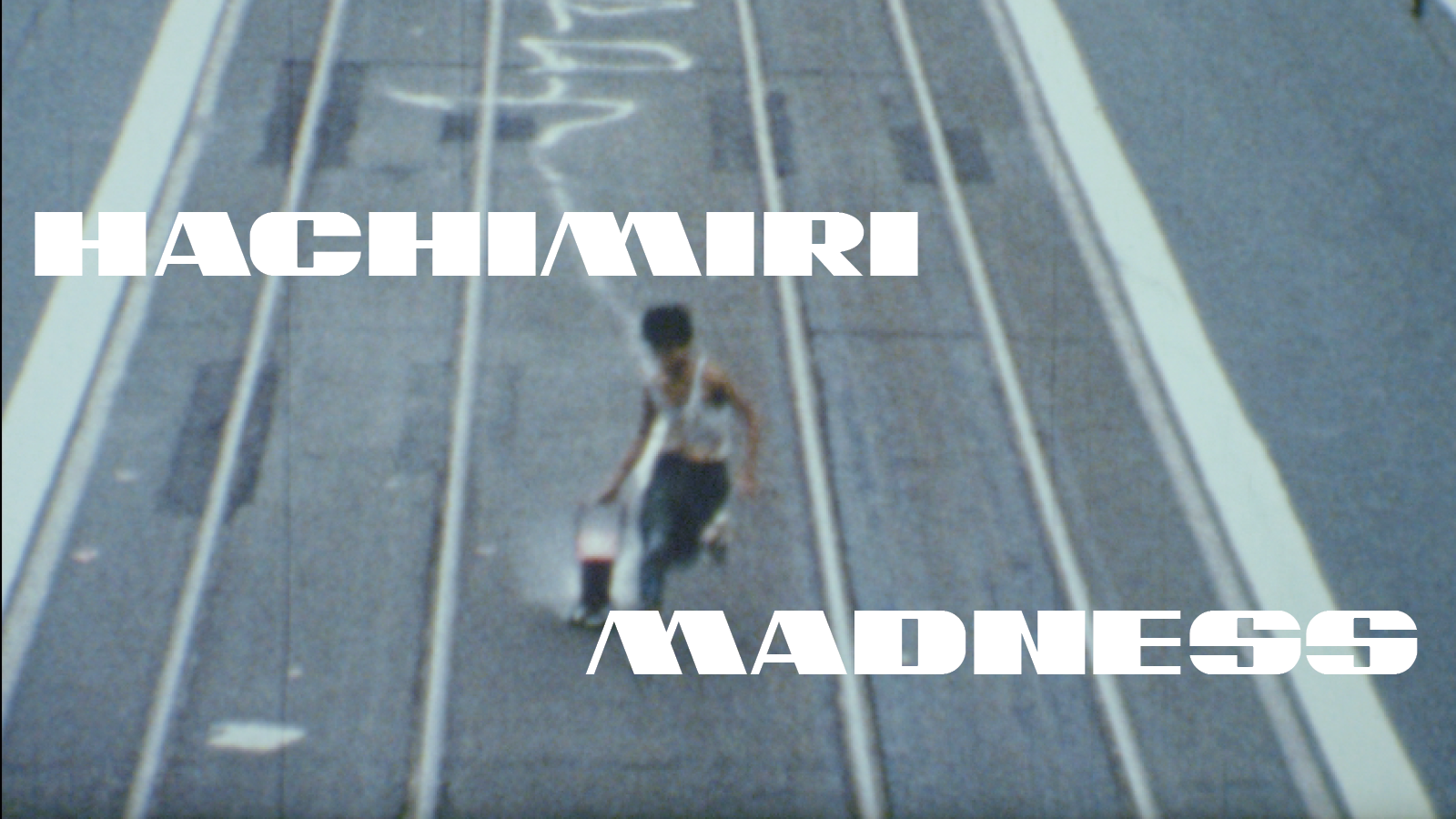
At the same time that the Japanese studios were going into tailspin decline at the end of the 1970s, a rude burst of amateur cinematic anarchy was erupting from the underground. This new jishu eiga, or “autonomous film,” was a cinema by and for outsiders, many of them shooting run-and-gun-style in the streets on cheap 8mm film (hachimiri in Japanese). The jishu film movement, which found a home after 1977 at the Pia Film Festival in Tokyo, was the cinematic analog of the experiments in extreme independent music happening in Japan at the same time, and would act as the incubator for a generation of renegade talents like Sogo Ishii, Sion Sono, and Masashi Yamamoto. A barrage of youthful energy, anti-authoritarian rage, and go-for-broke moviemaking, Hachimiri Madness sifts through the blast zone rubble of this creative explosion to present some of the most pungent examples of jishu filmmaking, accompanying Metrograph’s runs of Yamamoto’s What’s Up Connection and Robinson’s Garden, and Suwa’s 2/Duo. Protective goggles strongly advised.
Series Includes:
I am Sion Sono + Tokyo Cabbageman K – A Man’s Flower Road – Hanasareru GangThe Adventur of Denchu-Kozo + Isolation of 1/8800 – The Rain Women + High-School-Terror
Saint Terrorism – Happiness Avenue
2/Duo
Opens December 9
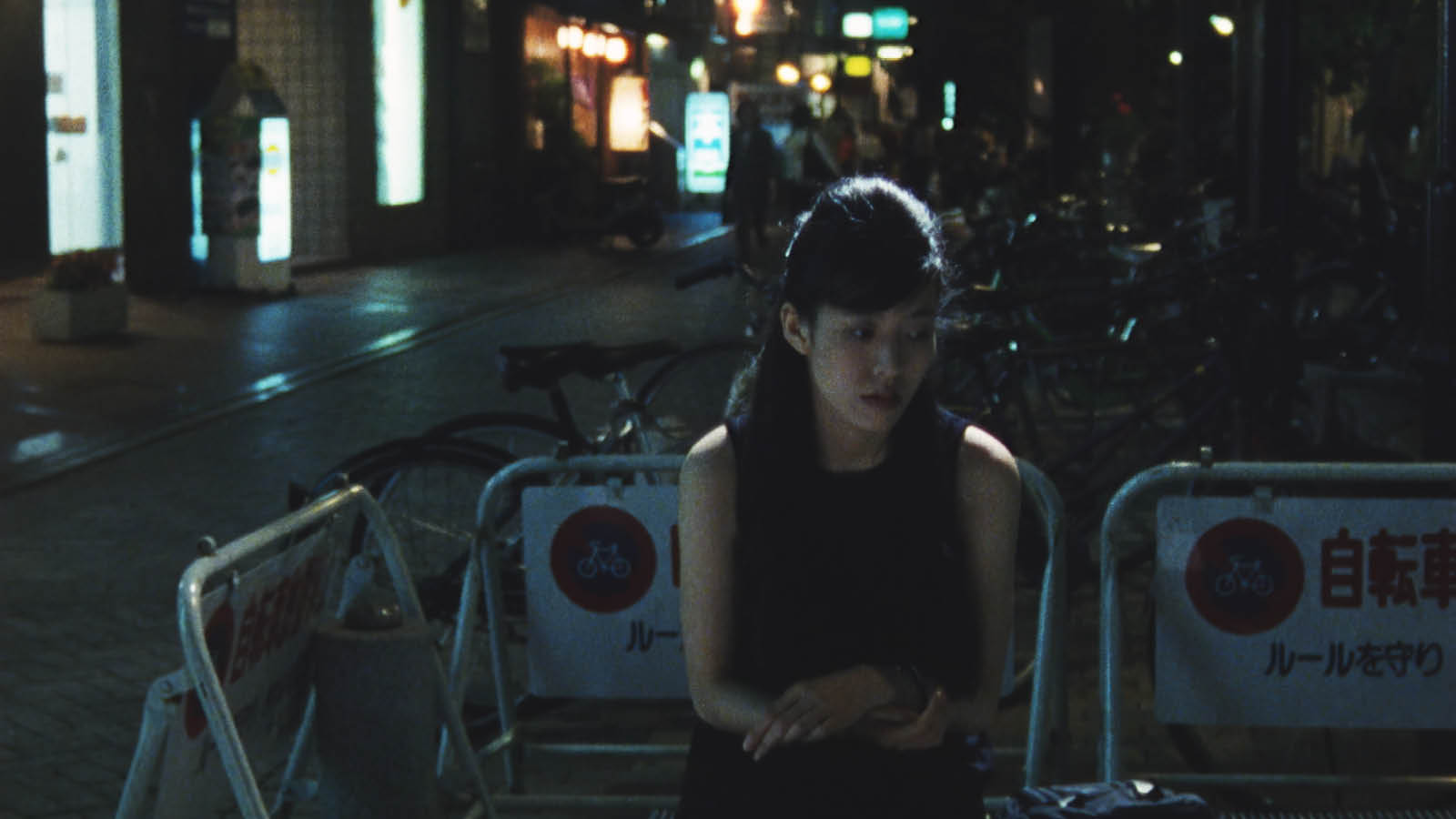
Suwa’s second feature, 2/Duo was originally conceived as a scripted psychodrama, then evolved into something very different once Suwa chucked his script and started from scratch, working closely with his actors to develop their characters in an approach inspired by the films of Jacques Rivette. The quotidian story of a young couple-a boutique saleswoman (Eri Yu) and an unsuccessful actor (Hidetoshi Nishijima)-and their foundering relationship becomes, in Suwa’s hands, a fascinating meditation on performance in everyday life, shot in an intuitive and searching style by DP Masaki Tamura. “A genuine sense of existential danger and possibility courses through practically every scene in this film, with casual joking sliding into aggression or an argument quickly dissolving into affection… Real and vital.”-Jonathan Rosenbaum, The Chicago Reader
Metrograph Selects: DeWitt Davis
OPENS December 9
Select films, chosen specially by Metrograph staff. For the latest iteration of our recurring series, Metrograph Print Traffic Coordinator DeWitt Davis picks some of his personal favorites, In Theater and on Metrograph At Home.
“For this series I chose films that I thought were fun viewing for the end of the year and that I wanted to see on the big screen. A friend pointed out that we often quote these films between each other. And you can quote me on that.“-DeWitt Davis
Series Includes:
Dr. Strangelove – Harvey – Death to SmoochyJoe Versus the Volcano – His Girl Friday – Being There
The Hudsucker Proxy – Fast, Cheap & Out of Control
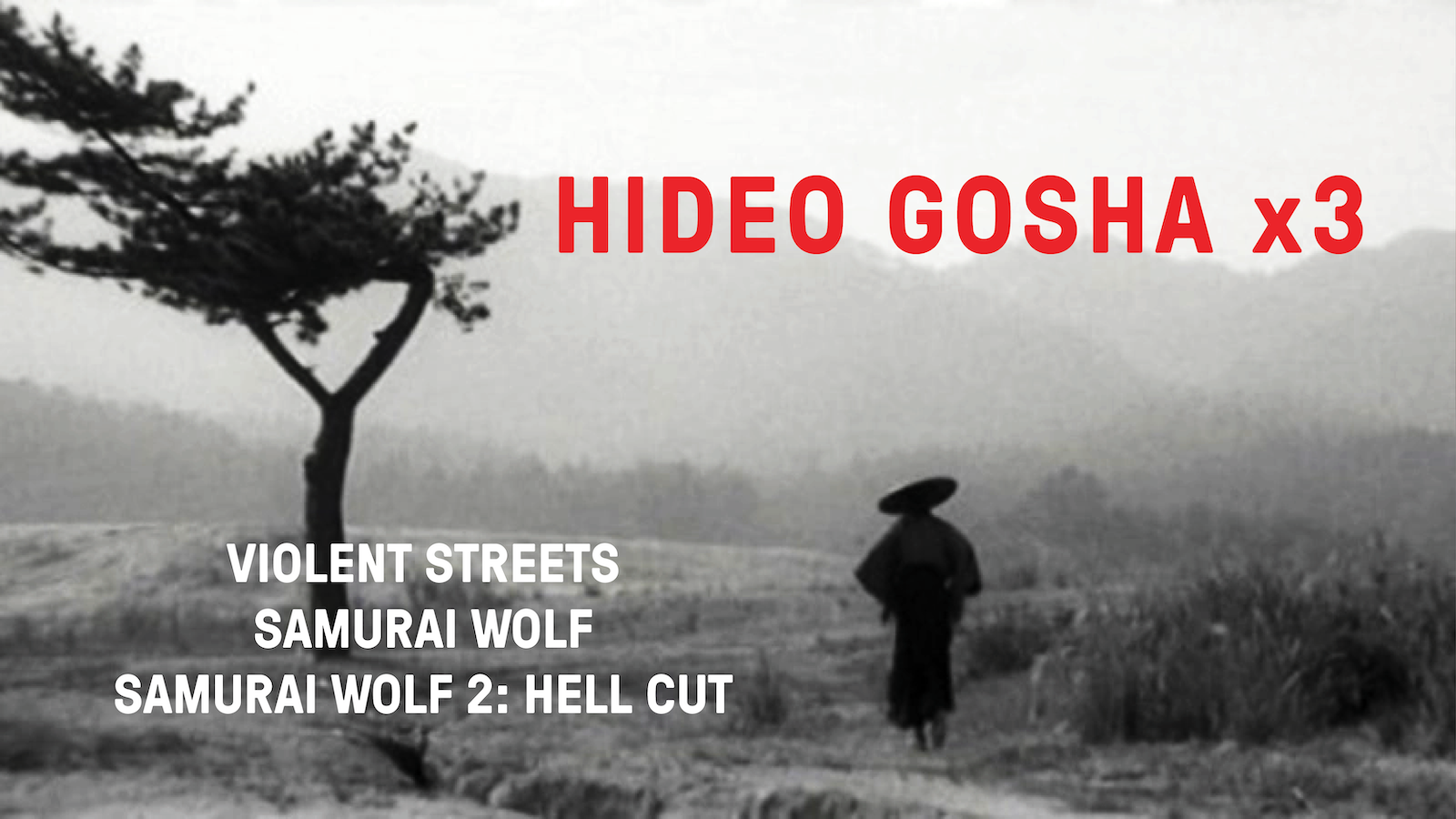
Hideo Gosha x3
opens December 16
One of the best-kept secrets of Japanese genre filmmaking in the 1960s and ’70s, Hideo Gosha began his studio career in 1964 and quickly emerged as a peerless specialist in chambara (samurai) films. A few years later, a contemporary twist on the chambara formula appeared in the form of the yakuza film, and Gosha proved equally adept with modern dress action. Whether the weapons of choice were swords or snub-nose revolvers, few could match Gosha at his best for economic storytelling and sheer velocity-and these are three of his very best.
Series Includes:
Violent Streets – Samurai Wolf – Samurai Wolf 2: Hell Cut

QUEER POSEURS, CINEMATIC MUSES
Opens December 16
With her cult documentary Outfitumentary screening at Metrograph, New York-based artist and filmmaker K8 Hardy shares some of her filmic inspirations, spotlighting a suite of cinema’s most rebellious fashion iconoclasts and idols.
Series Includes:
Pink Flamingos – OutfitumentaryTicket of No Return – I-Be Area
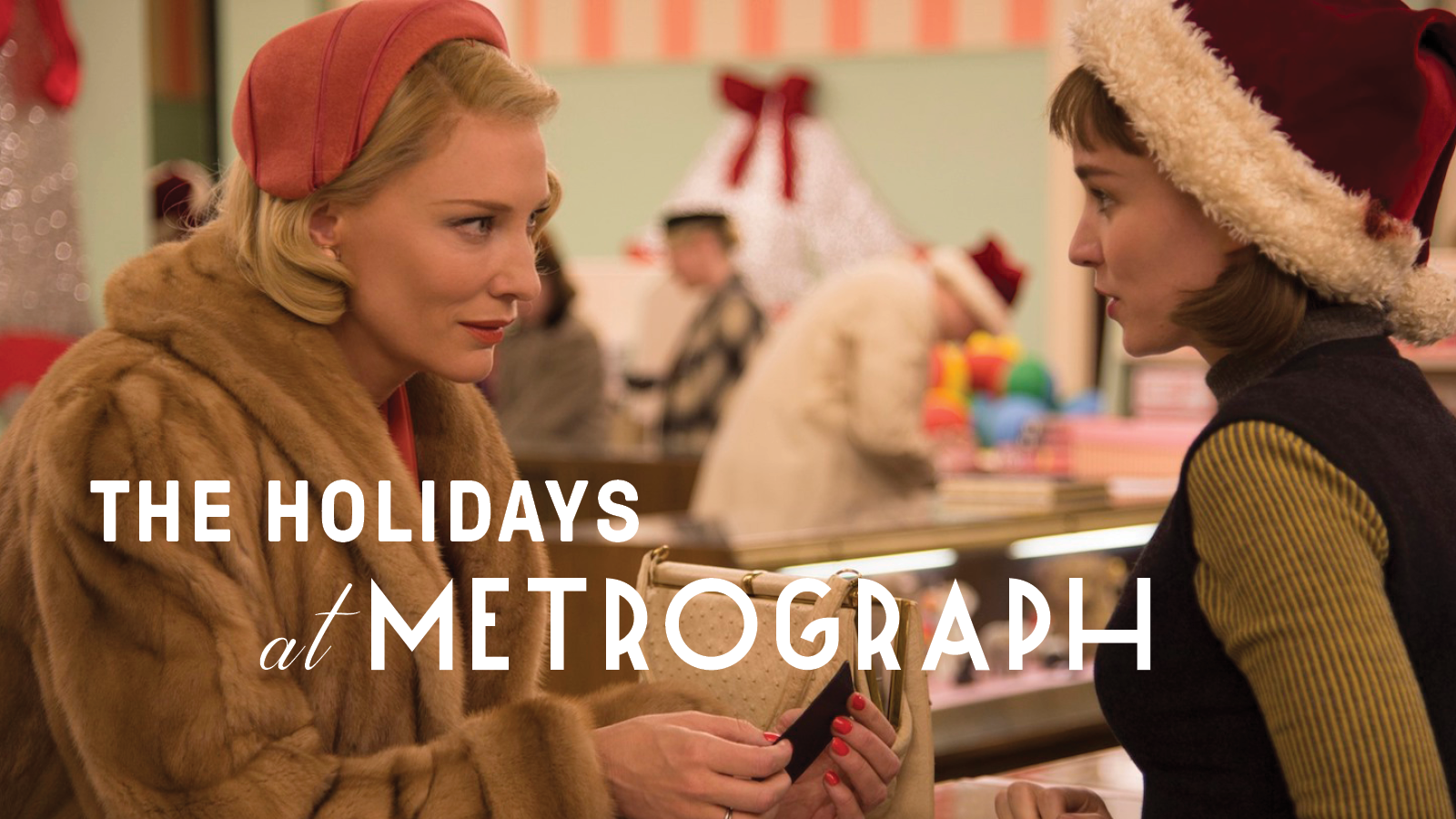
holidays at metrograph
OPENS December 16
‘Tis the season for traditions, and this year we’ve got plenty of cinematic goodies under the tree for the discerning moviegoer, as our established canon of seasonal classics (Carol, Eyes Wide Shut, Phantom Thread) return alongside festive chestnuts by Billy Wilder, Éric Rohmer, and Wong Kar-wai.
series Includes:
2046 – The Apartment – CarolEyes Wide Shut – My Night At Maud’s – Phantom Thread
Spirited Away
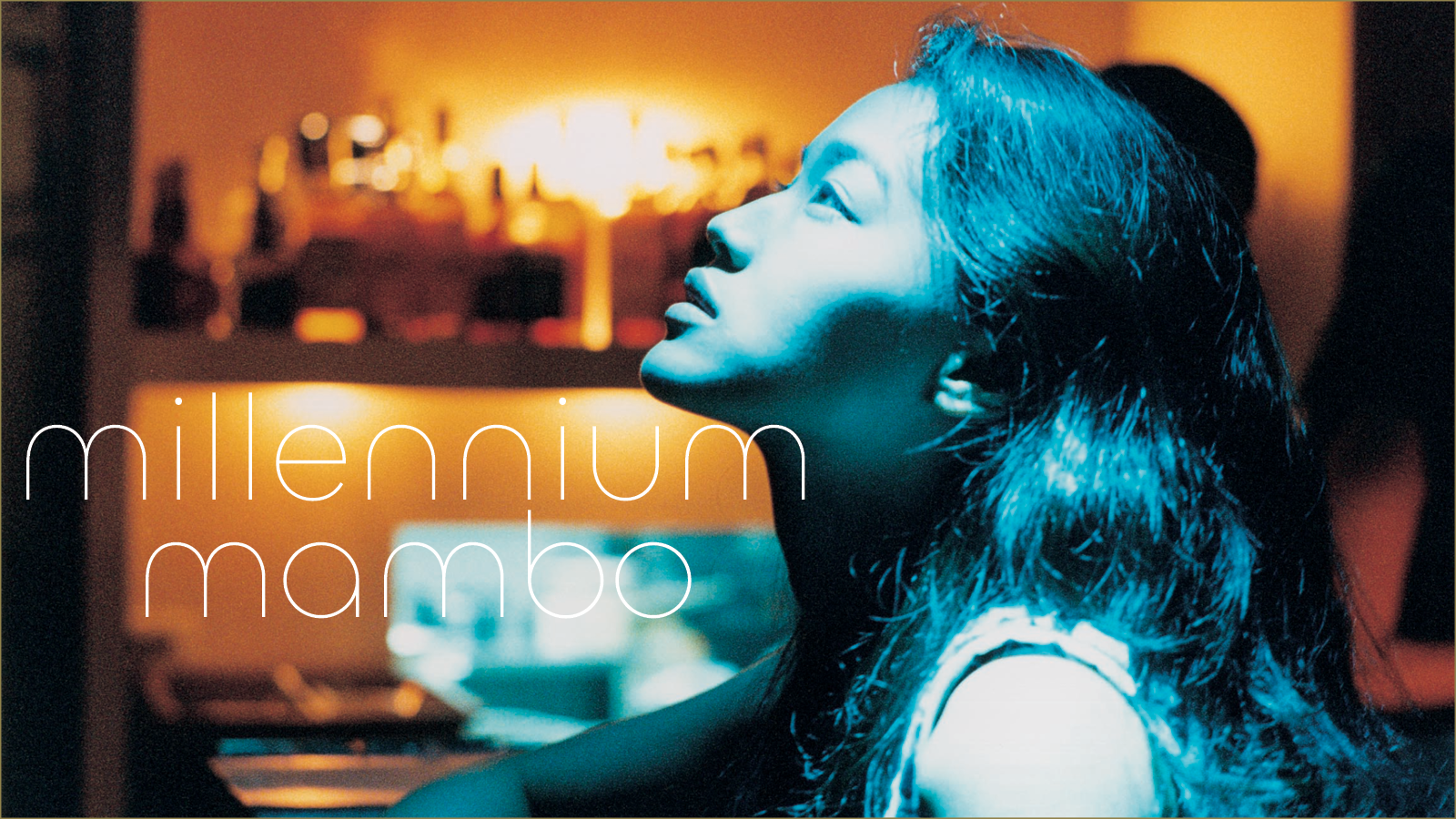
Millenium Mambo
opens December 23
A stylish and seductive submersion into the techno-scored neon nightlife of Taipei, Hou’s much-misunderstood marvel stars Shu Qi (The Assassin) as an aimless bar hostess drifting away from her blowhard boyfriend and towards Jack Kao’s suave, sensitive gangster. Structured as a flashback to the then-present from the then-future of 2011, it’s a transfixing trance-out of a movie, drenched in club lights, ecstatic endorphin-rush exhilaration, and a nagging undercurrent of ennui.
A Metrograph Pictures release
TICKETS ON SALE SOON
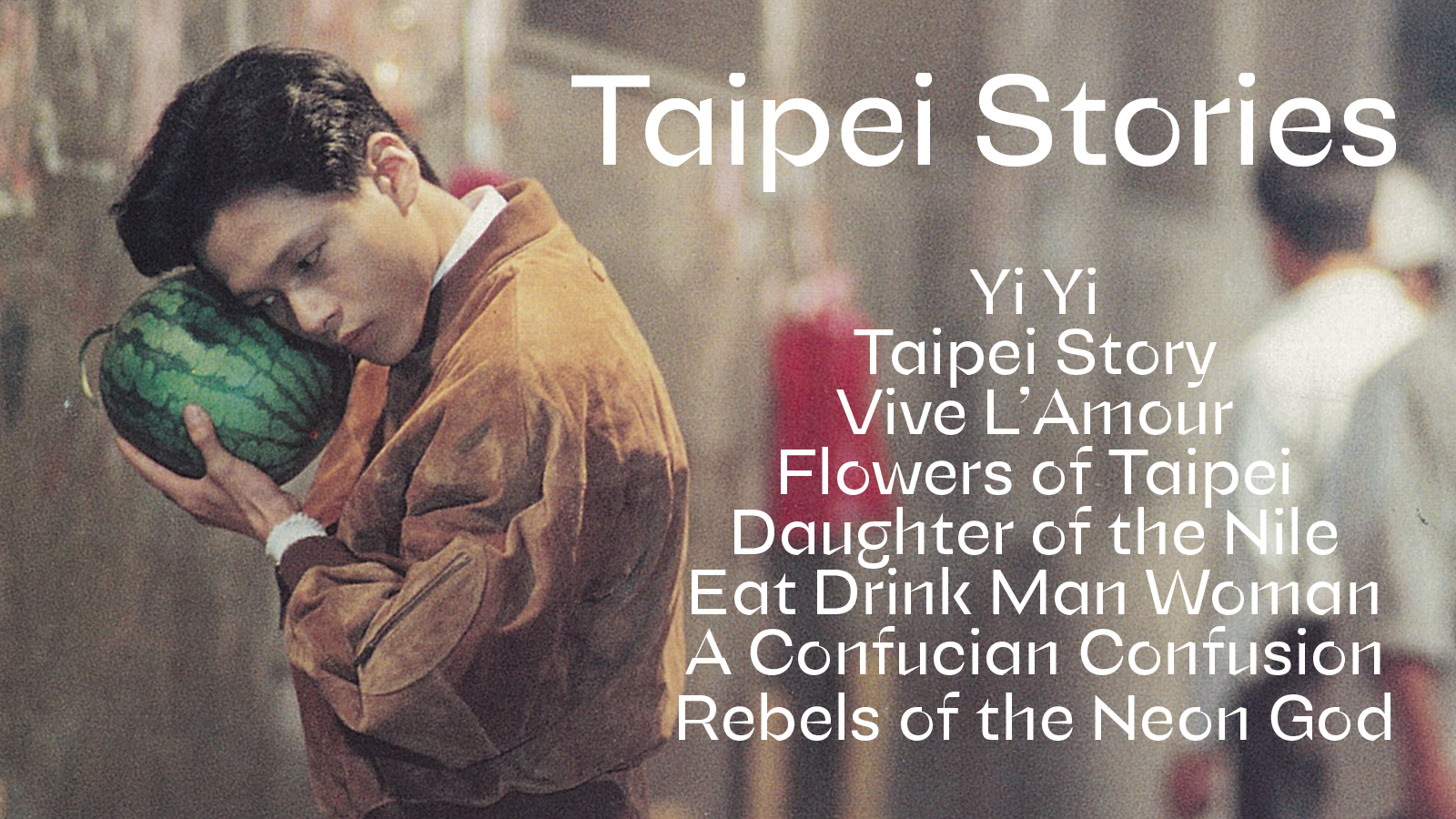
Taipei Stories
opens December 23
Taipei’s history-at least as a teeming metropolis-is not long; the city’s population exploded after 1949, when the Kuomintang government arrived in flight from Mainland China after losing the Civil War. Perhaps because of this relative youth, many Taiwanese filmmakers depicting Taipei seem to dwell on the aspects of city life that we regard as distinctly contemporary conditions: the atomization of community, the disappearance of tradition, the impersonality of faceless corporate architecture. (The title of Hou Hsiao-Hsien’s 1989 film A City of Sadness is revealing.) None of these conditions, of course, are unique to Taipei-we are all in Cities of Sadness, now-it’s just that certain Taiwanese filmmakers understood them earlier, and more eloquently. And while the films in this series may depict the cruelty of life in Taipei, their careful documentation of the city and compassionate regard for its people betrays a complicated affection that goes much deeper than civic boosterism.
series Includes:
A Confucian Confusion – Daughter of the Nile – Eat Drink Man WomanRebels of the Neon God – Vive L’Amour – Yi Yi