
Columns
Filmcraft: Inbal Weinberg
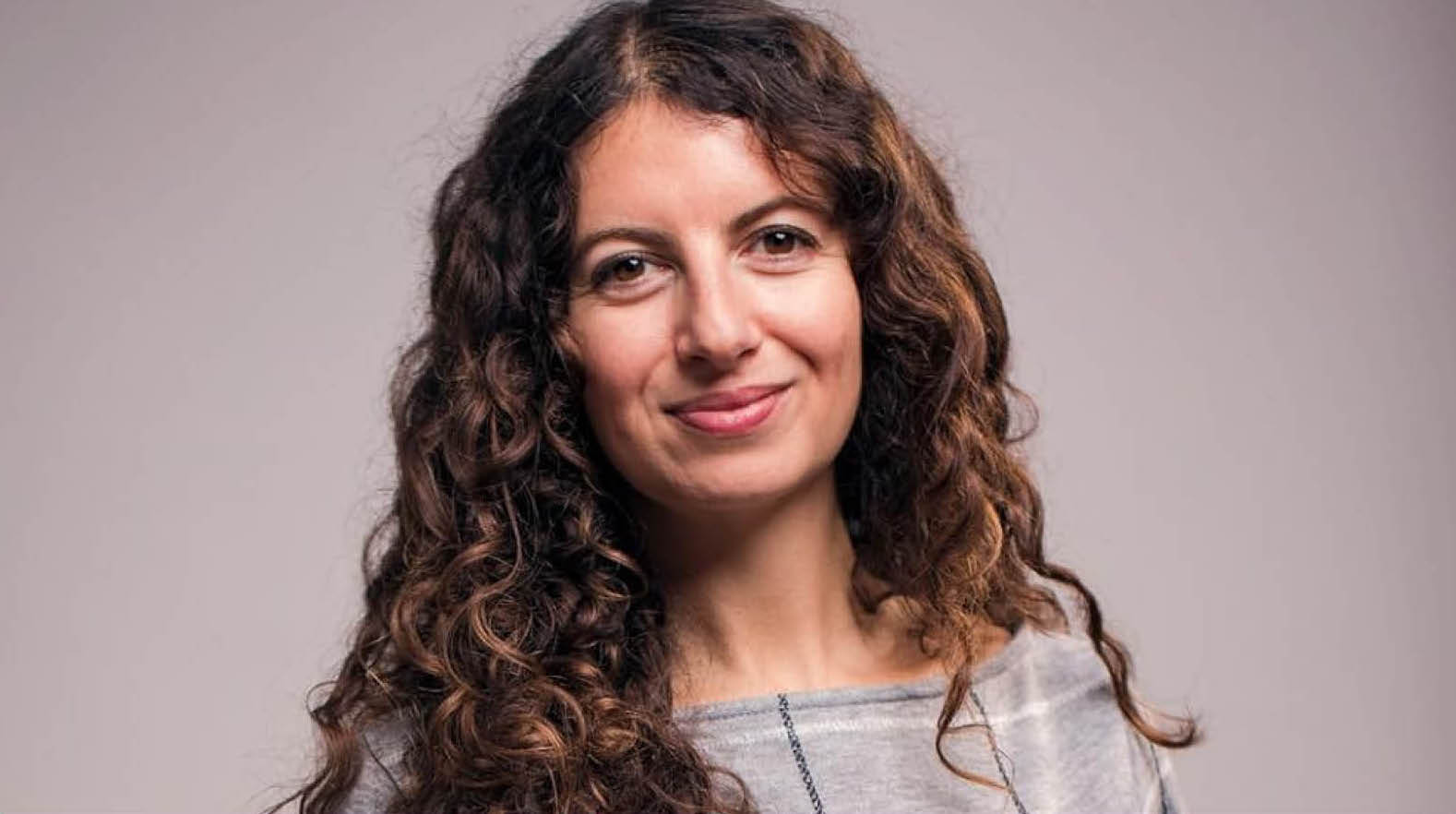
Filmcraft gets up close and personal with some of today’s most sought after film craftspeople—cinematographers, production designers, make-up and costume departments, and special effects technicians—as they open up about their process and inspirations. For the latest entry, we speak to the celebrated production designer Inbal Weinberg, much acclaimed for her collaborations with directors such as Pedro Almódovar (The Room Next Door, 2024), Luca Guadagnino (Suspiria, 2018), and Derek Cianfrance (Blue Valentine, 2010).
Filmcraft: Inbal Weinberg opens at Metrograph on Friday, March 7.
Share:
What made you become a production designer?
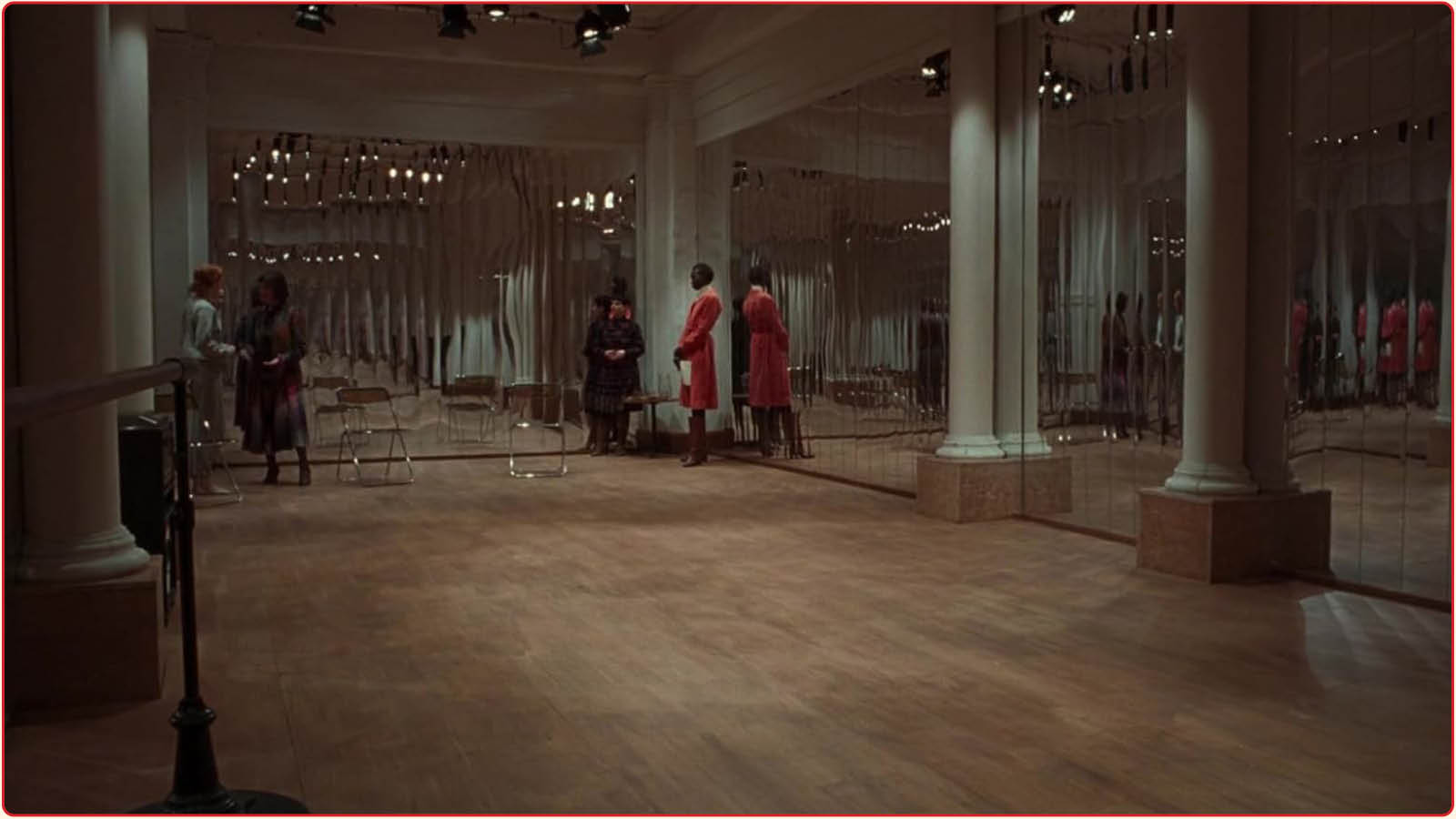
Suspiria (2018)
When I was a teenager, my two greatest passions were fine arts and films. As I was searching for a future path that would integrate both, I became very intrigued by the credit “Production Designer” which I noticed often on screen. At the time it was difficult to find out information about film professions, but I had an innate feeling that this position would synthesize many disciplines that interested me such as painting, sculpture, interior and graphic design, architecture, and photography.
When I was accepted into NYU Film School, I requested to create my own curriculum so I could concentrate on production design. As I progressed, I realized that the position encompassed all that I had hoped for, and more. It is a complex and multi-layered craft, requiring not just a rich understanding of the arts, but also an exacting eye that can find significance in every-day detail and connect it to an overall narrative. A production designer needs to think simultaneously on a macro and micro level of storytelling design. You need to constantly move from designing an overall look, to approving its tiniest details. One moment you’re designing an entire street facade on a backlot, the next you’re choosing an exact shade of red for a fire-hydrant, or the pattern of an umbrella held by an extra. I think it is a great practice to understand and appreciate the complexity of the world around us.
How much does a film’s production design evolve over the course of the entire filming process?
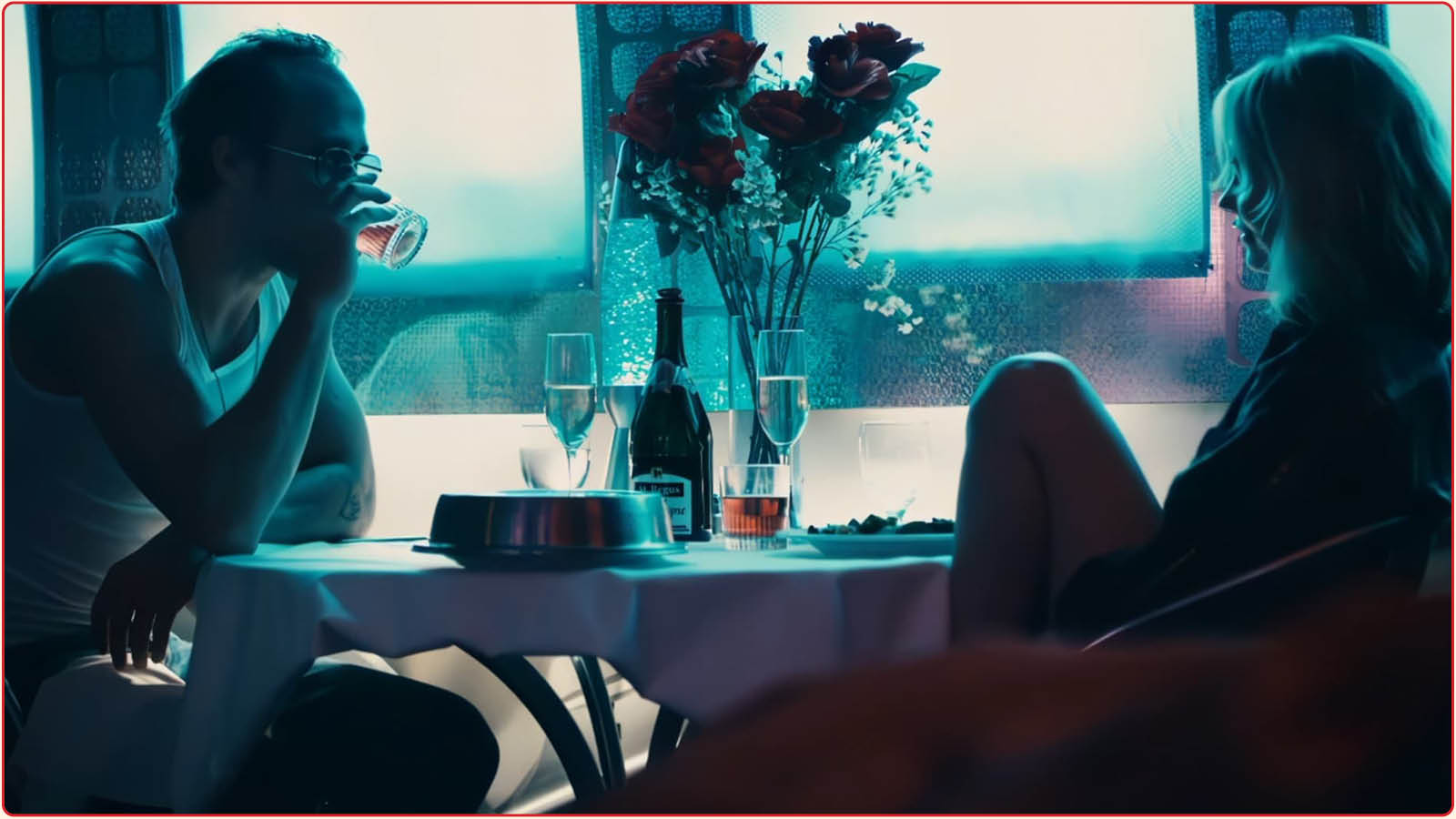
Blue Valentine (2010)
The overall design concepts, and hopefully much of the work on large sets, is being executed during the prep weeks leading up to principal photography. The prep period is a designer’s precious time to distill the director’s vision, research, secure locations, draft and build sets, budget, and source. In addition, it is an important time for the art department to come together and find its rhythm. Having a united, coordinated team at the start of filming is essential to the success of the filmmaking process.
I think all of my colleagues would agree that having sufficient time in prep to design, collaborate and tweak leads to great results. Unfortunately, we are rarely given the prep time we need. We find ourselves constantly rushing to complete tasks and solve problems well into the shooting process. Since we are faced with constantly changing factors, we have to stay very flexible and malleable with our design concepts. Some design changes occur due to logistical challenges beyond our control, such as the loss of a location, or a schedule switch. Some occur as the director develops the script during the shoot, or explores new ideas. And lastly, change can happen as the natural outcome of seeing all of the elements come together, after being dreamed up by the team. A designer needs to take time to look at the created environment, and then decide if it needs to be altered in order to achieve its full potential.
Aside from film, do you draw inspiration from other places/mediums/etc?

The Room Next Door (2024)
The beautiful thing about production design is that the entire world is your inspiration. Every film brings with it new subjects to research and explore, so you need to keep your eyes open and be constantly curious about the nature of things. Over my last three films my team had to build, respectively, a big-box toy store, a hospital, and a fish processing factory. I therefore had to educate myself in record time about all of these environments: I watched employee training videos on toy inventories, interviewed nurses about the process of injecting morphine, and learned how to shuck oysters with Irish oyster farmers.
At the same time, a designer also has to think conceptually about frame design—the colors, lighting, and layout of each image. So research into the everyday is augmented by searching for inspiration through other activities: looking at painting and photography, listening to music, and even walking in nature. Drawing inspiration from all of these resources, and finding the right mix, is what creates original and unique cinematic imagery.
When scouting locations, do you always have an idea of what you are looking for in mind, or do you ever come across a place before the fact and then return to it?

Suspiria (2018)
Although filmmaking is a very agile practice, I believe that it helps to start with some common ground for scouting. I usually prepare reference moodboards for the film’s prime locations, and once those are approved by the director I share them with the locations department. I often ask the producers to pre-scout a town, state, or country before a director arrives, which makes for an efficient start and saves us from going down the wrong paths. That said, I personally love to wander and explore, so I don’t mind taking unplanned detours with a curious director. Scouting is such a wonderful part of pre-production, and serves not just to secure shooting locations, but also to absorb atmosphere and details. Most importantly, while spending time with the director and cinematographer looking at spaces, you come to understand their points of view, and sharpen your own design vision.
What is the biggest challenge of a production designer?

The Lost Daughter (2021)
We all wish we had endless resources to bring the spaces we see in our mind’s eye to life. However, the reality is that most productions lack sufficient time, money and crew to support the director’s ambition. Resources seem to be getting scarcer every day, and designers are often asked to perform miracles, or curtail their design ideas. I think a production designer’s biggest challenge these days is to get their vision across to the director and producers, so the entire production can understand why the art department’s work is essential to the film, and why it requires adequate resources.
You can design the most beautiful set on paper, but if you can’t persuade your team of its importance, then that set has slim chances of making it to the screen. A production designer, as reflected in the role’s very name, needs to consider the production itself in the design process. We succeed when we can make everyone see through our eyes.
What is your living space like? Do you think an outsider could guess what your job is based on how you’ve designed your home?
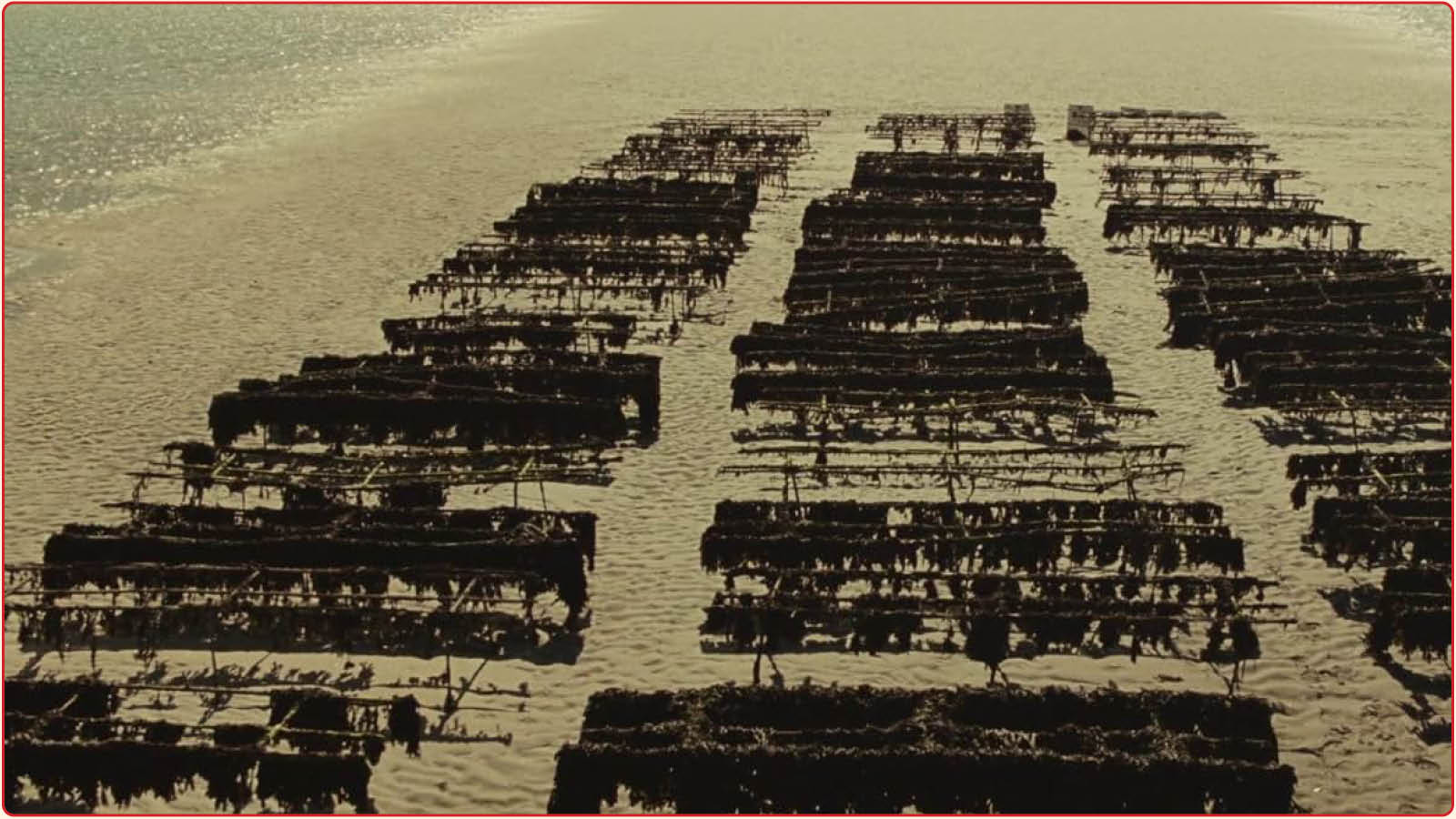
God’s Creatures (2022)
Everyone that walks into my apartment comments that it seems to be an extension of my craft. I love being surrounded by souvenirs from my films, since they represent such important life experiences. As a huge wallpaper fan, most of my apartment’s walls are covered in vintage wallpaper that I found while working. My furniture is mostly leftover pieces from various sets, or thrift store finds I encountered while shopping for movies. I have a large collection of design and photography books, which I refer to constantly when researching for projects. In fact, even when I’m not working I can be found in bookstores and libraries perusing art books. My apartment is in desperate need of more bookshelves.
Share:
Recommended
- Listen Up! Mihály Víg & Béla Tarr
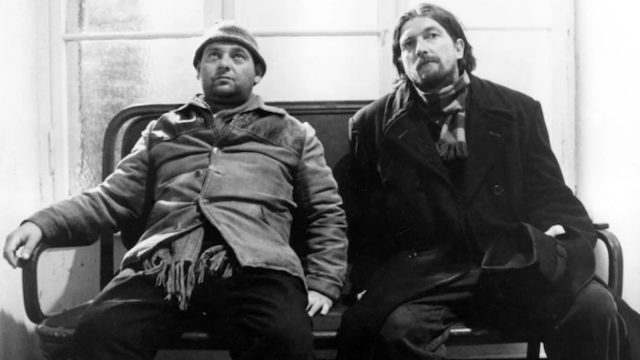 Metrograph’s Listen Up! column, in which we revisit movie scores and soundtracks of note, continues with a look at Mihály Víg’s haunting collaborations with Béla Tarr.
 - Orangey, Revisited
 A video essay ode to the inimitable feline screen star.
 - Green Snake
 On Tsui Hark’s subversive reimagining of an immortal Chinese folk tale, starring Maggie Cheung as a serpent demon.