
Friends of Metrograph Lev Kalman and Whitney Horn, Sasha Mutchnik, Magaajyia Silberfeld, and Sara Messinger each share a film they love, streaming on demand on the Metrograph At Home platform.
LEV KALMAN AND WHITNEY HORN select
Claire’s Camera

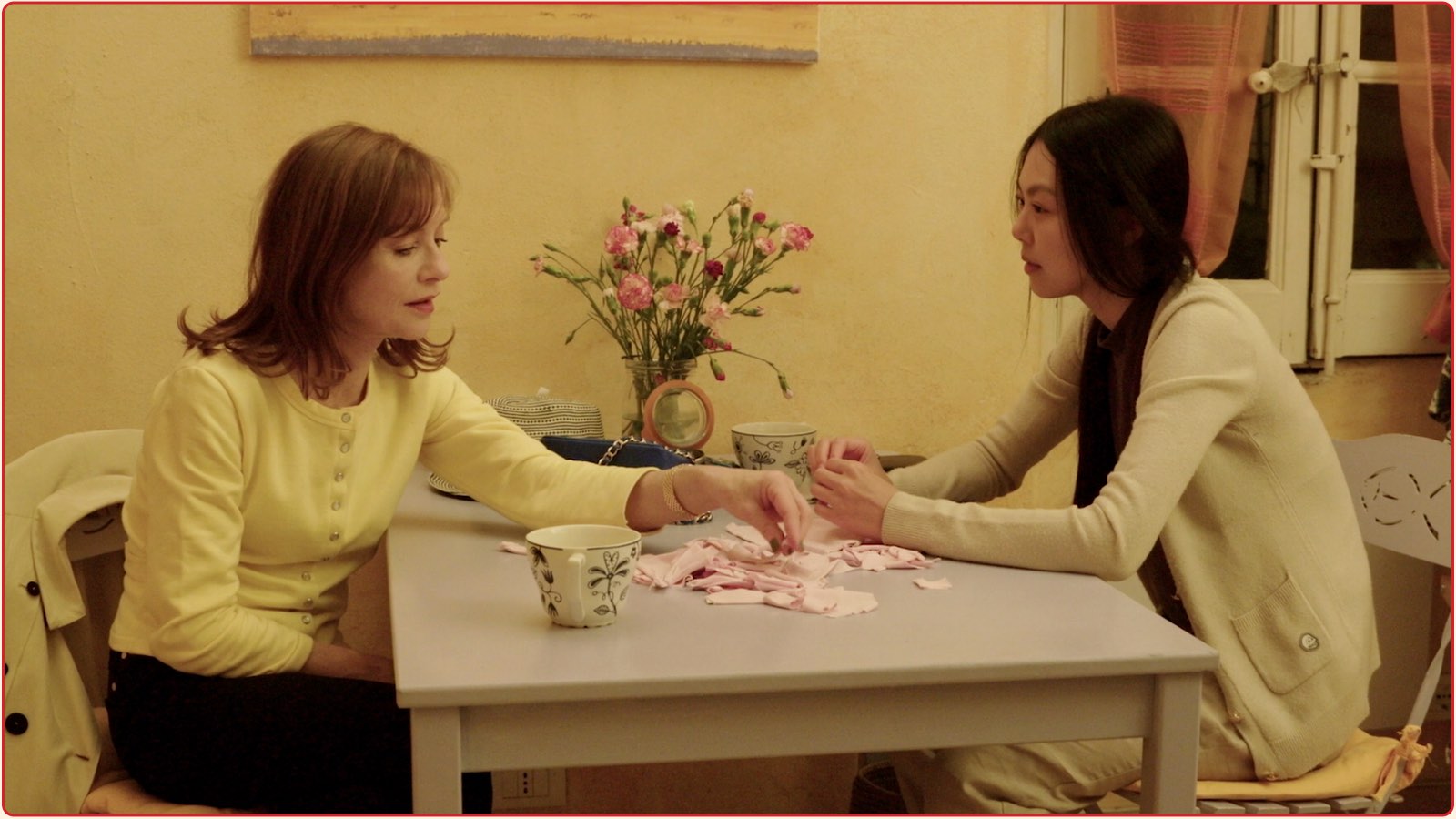
Claire’s Camera, dir. Hong Sangsoo, 2017
In our private twin language, calling a movie “stupid” is the highest compliment. It doesn’t mean stupid, it means unpretentious, unadorned, uninterested in checking the boxes that make a movie seem smart. Warhol is stupid, Jean Rollin is stupid, and Claire’s Camera is gloriously, intoxicatingly “stupid.” Out of his incredibly straightforward seeming style, one single-setup scene strung against another, the film creates an essential mystery. The ways the stories don’t coalesce, how even scene to scene characters seem to be doppelgangers of their previous selves-this isn’t the movie being tricky or a puzzle to be solved-this is how life is. And there’s something so dreamy about the way Claire and Manhee speak to each other only in compliments: “You’re so pretty.” “Am I?” “Yes.” “You’re beautiful too.” “Thank you.”
WATCH CLAIRE’S CAMERA
Lev Kalman and Whitney Horn are the filmmaking duo behind Blondes in the Jungle, L for Leisure, Two Plains & a Fancy, and the recently released Dream Team, which are currently streaming on Metrograph At Home.
SASHA MUTCHNIK selects
THE STENDHAL SYNDROME
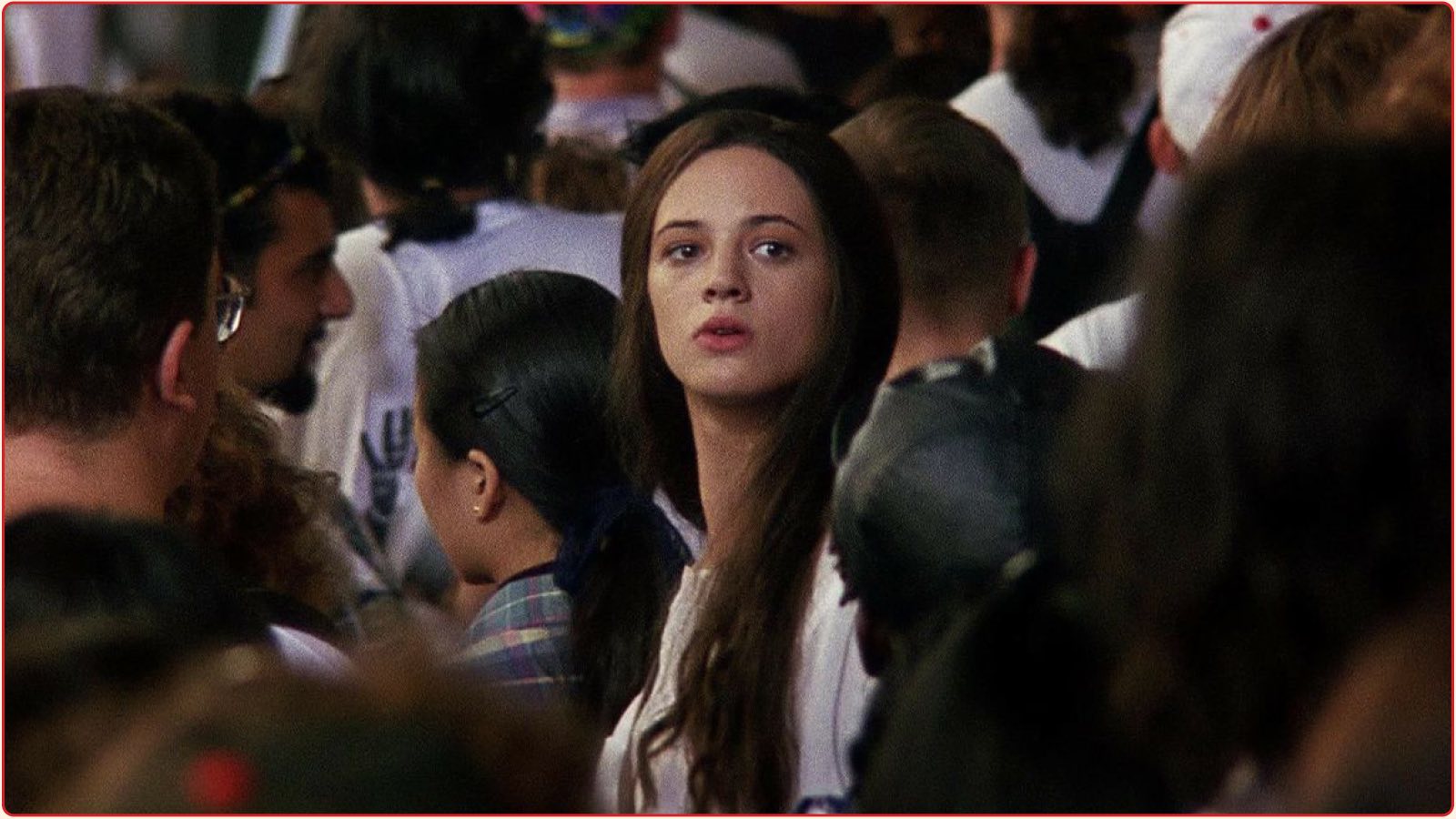

The Stendhal Syndrome, dir. Dario Argento, 1996
A movie that revels in its own artistry. In the most obvious way, it’s a movie about the way art moves us. But beyond that, it’s about the ways art makes us vulnerable and untethered to the practical world. It’s a beautiful and disturbing testament to the power of art-especially the kind of Renaissance art that so often introduces one to their eventual passion-and a reminder that that power can be both healing and harming. I spent some time very alone as an undergraduate in Florence, and my afternoons looking at Boticelli’s paintings in the Uffizi really did offer an escape. I felt like I could get in touch with some timeless sense of beauty. But I also felt like I could get lost in it, like I could leave the world through those works. To see that sensation employed for the sake of horror in Argento’s film is eerie, it reminds me that art isn’t always a restorative or positive outlet. It can be something to escape through like a drug, something dissociative and even dangerous if not balanced with reality. I think that side of creativity is frequently explored in the real lives of artists, but less frequently addressed directly in their work. It’s an essential piece of Argento’s obsession with Renaissance and Baroque imagery.Sasha Mutchnik is a writer and the Senior Social Editor for @thecut at @nymag. She also runs @starterpacksofnyc. As you might imagine, her weekly screen time is very high.
Magaajyia Silberfeld selects
Notre Memoire
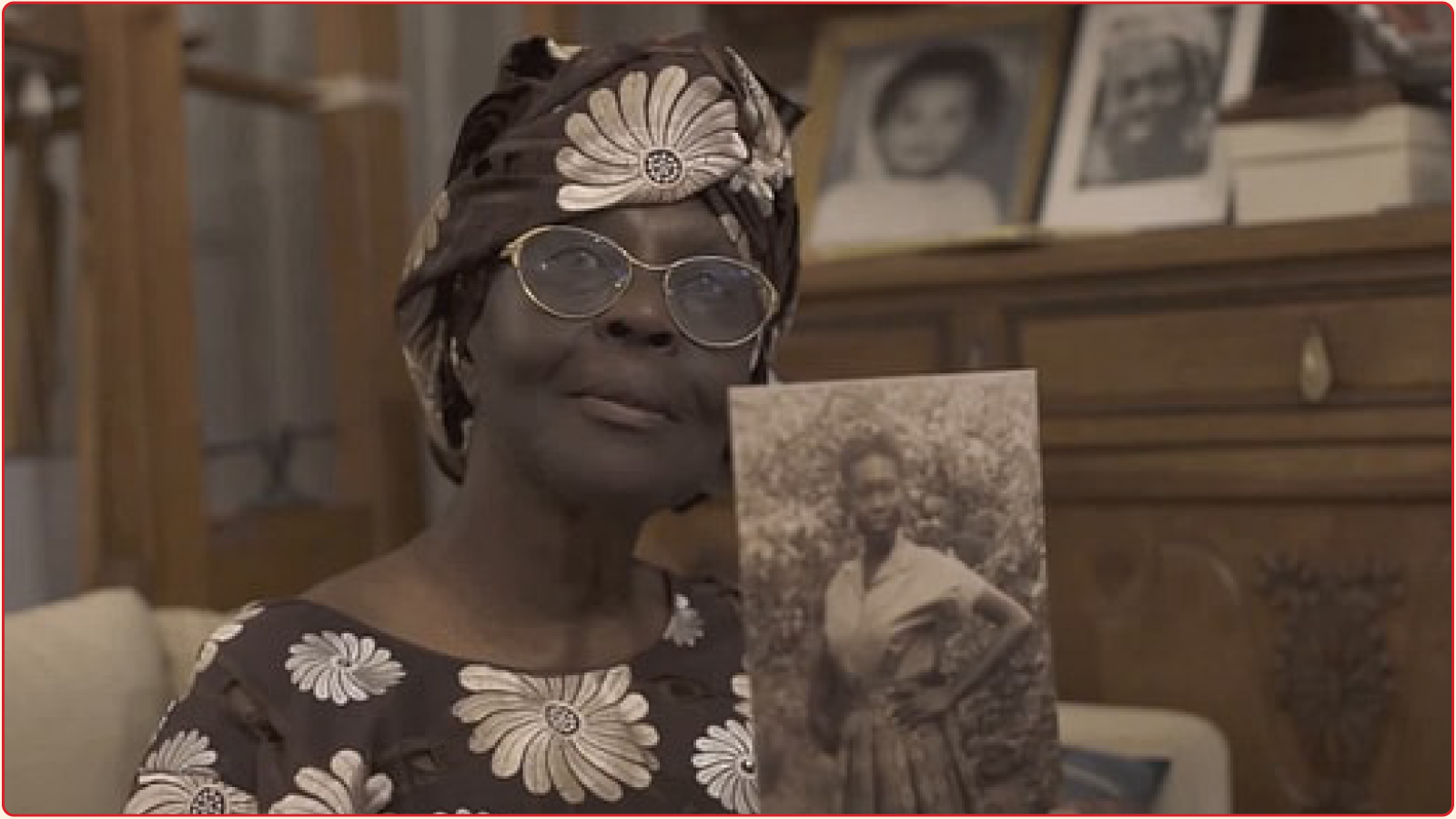
 Notre Memoire, dir. Johanna Makabi, 2019
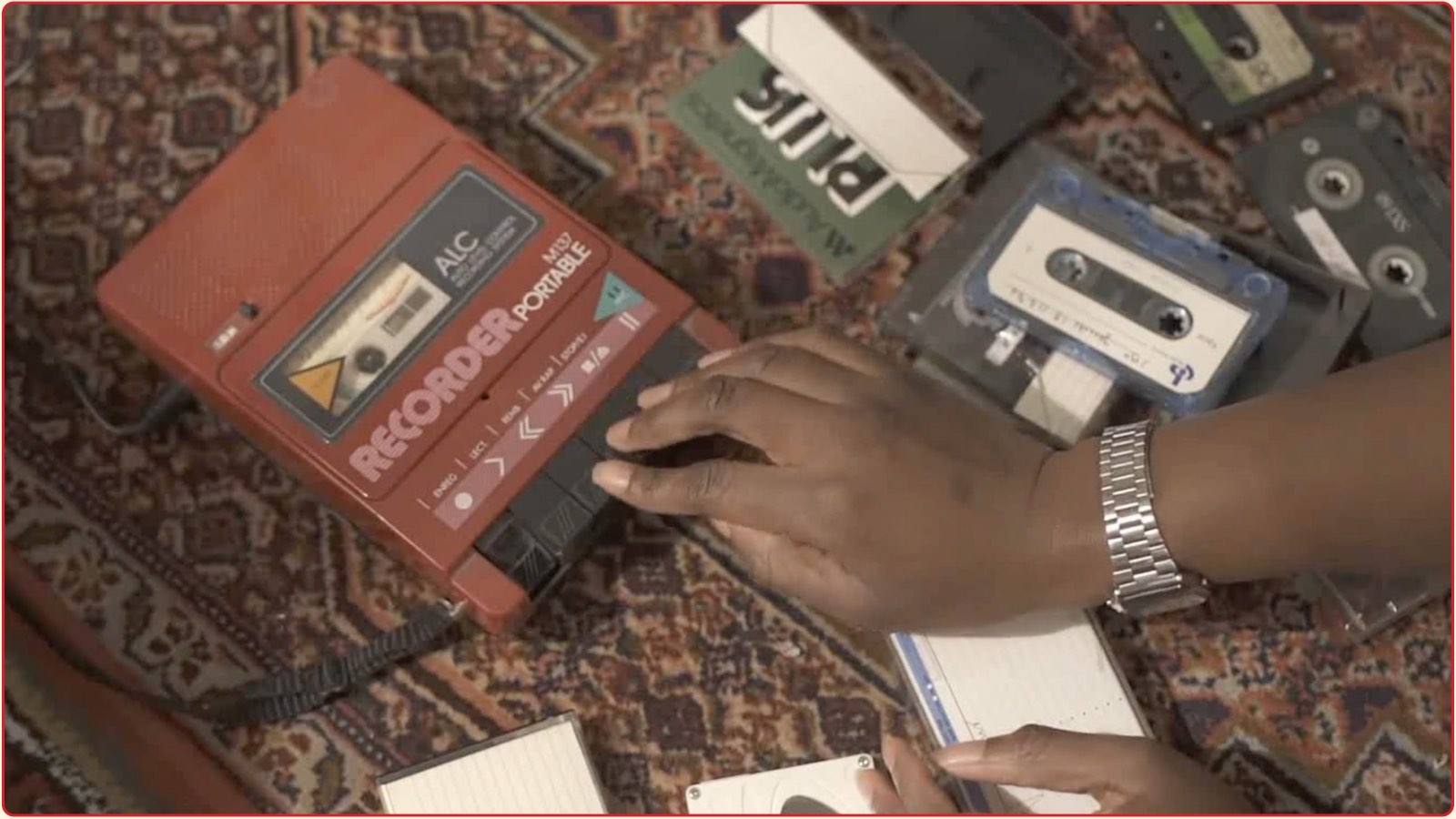
A must-see short that offers a profound cinematic experience, engaging viewers in a dual reflection on the personal journey of the enigmatic and significant actress Mbissine Thérèse Diop, who left her mark as the star of Ousmane Sembène’s Black Girl (1966). Brimming with untold stories, it takes you through her reflections, subtly hinting at the life she might have led in the modern era. Its brilliance lies in its ability to balance suspense with serenity, drawing you into its mysteries while leaving space for personal introspection. Love and wisdom radiate through every frame, making it deeply moving, unexpectedly relaxing, and a rare feat in storytelling. What moved me were the echoes of Alleessi… an African Actress (2004), the documentary by Rahmatou Keïta, a vibrant tribute to Niger’s cinematic pioneers, celebrating their resilience and overlooked contributions to culture.
Magaajyia Silberfeld is a Franco-Nigerien actor and director. She will be on screen as Melantho in The Return alongside Ralph Fiennes and Juliette Binoche, which comes out December 6. She is developing her first feature and fights for more diversity in cinema.
SARA MESSINGER selects
Little Fugitive

Little Fugitive, dir. Morris Engel, 1953
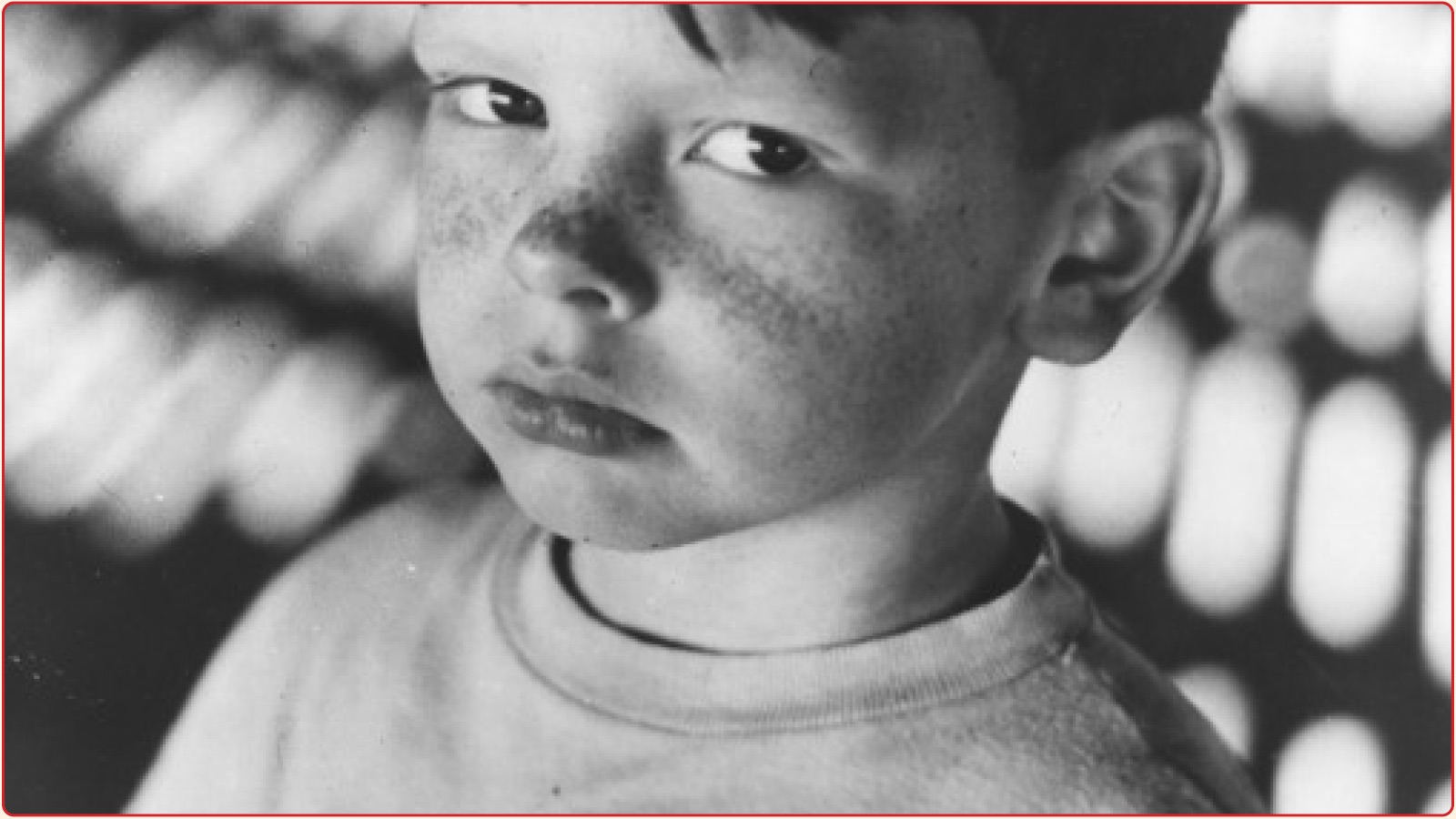
Little Fugitive follows the adventures of seven-year-old Joey, who is the subject of a prank by his older brother and friends: Joey believes he killed his brother, and so runs away to Coney Island before anyone can catch him. The movie was filmed with a concealed camera that strapped onto a body, made by photographer turned director Engel and friend Charlie Woodruff, so that Engel could film the little actor in an unobtrusive way, and also give the audience the child’s eye-view. Shot without permits, the film doubles as a documentary record of a summer day in 1950s Coney Island. As a photographer, it is a very special experience to see Engel and Ruth Orkin’s true documentary sensitivities paired with the endearing fictitious plot.
Sara Messinger is a documentary photographer based in New York City.