
Essay
Chang Chen
Six movie roles that made the quietly magnetic actor a global star.
The series Chang Chen: A Silent Storm opens at Metrograph on Friday, July 11.
Share:
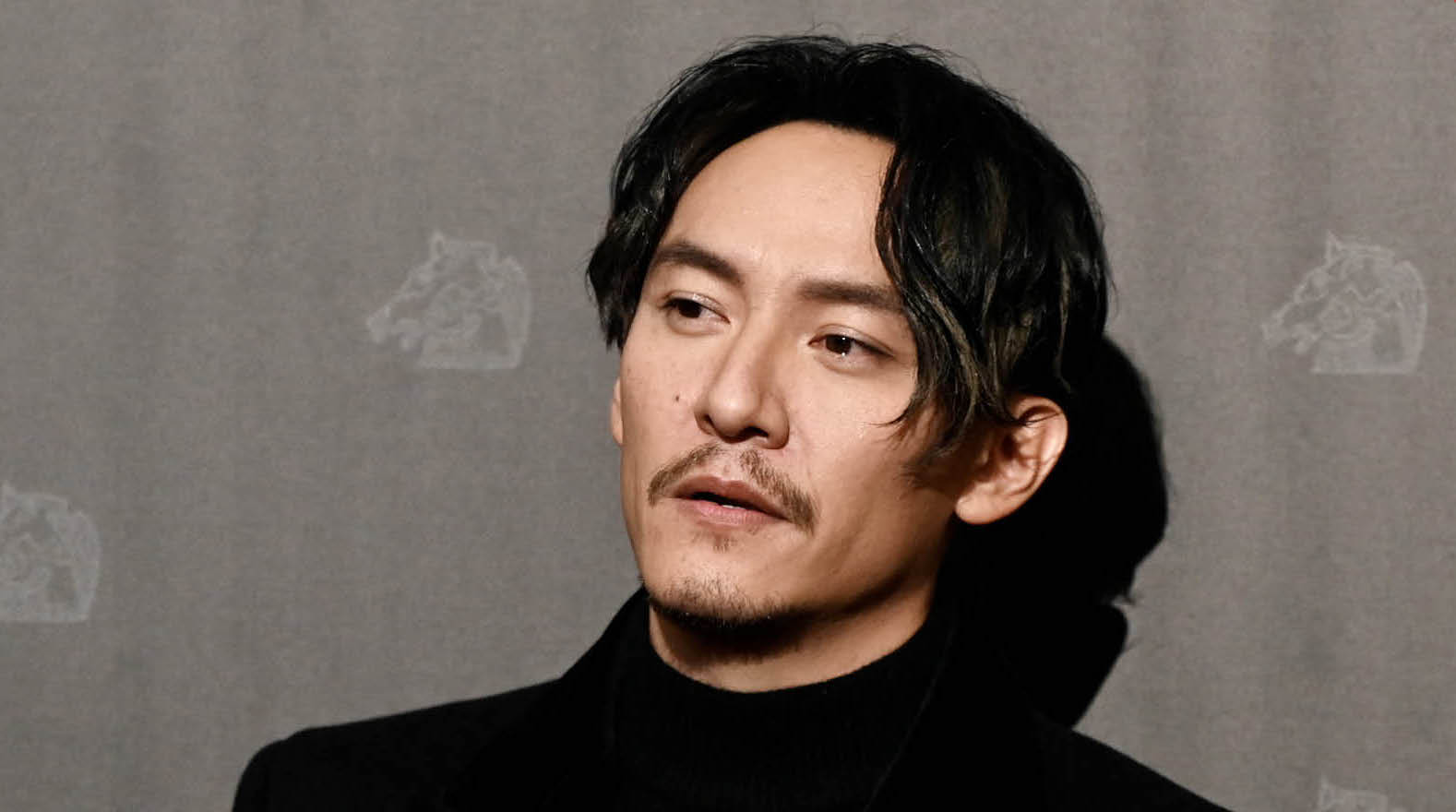
Across a four-decade long career, nearly as long as he’s been alive, the Taipei-born actor Chang Chen has injected films with his charismatic, intense presence. Acting since he was a child, and the son of an actor himself, Chen has long been noted for his quietly nuanced performances, which have earned him the attention and praise of some of the most renowned and acclaimed filmmakers across the globe. Chen has worked with (repeatedly in many cases) the likes of Wong Kar-wai, Edward Yang, Denis Villeneuve, Hou Hsiao-hsien, and Ang Lee, who made him a star around the world with his wuxia classic Crouching Tiger, Hidden Dragon (2000). In the past three decades, he has emerged as one of the leading Taiwanese stars of the international film world, lighting up the screen with his raw, observant gaze and magnetic inscrutability. Taking a moment to take stock of Chen’s ascendant career, and in sync with our in-theater spotlight series, we look at some of his most dynamic performances, from his debut at age 14 in Yang’s A Brighter Summer Day (1991) through to his appearance in Villeneuve’s space blockbuster Dune (2021).
A Brighter Summer Day

A Brighter Summer Day (1991)
A sprawling and intimate evocation of the Taiwan of Yang’s teenage years, Chen stars as Xiao Si’r in the film that launched his career when he was just 14 years old. Yang’s A Brighter Summer Day takes its inspiration from the story of the country’s first juvenile homicide, with Chen’s brooding outsider (his father played by his real-life father, Chang Kuo-chu) just one compelling figure in Yang’s bustling tapestry, viewed in seemingly serene long takes that bristle with repressed emotion.
“As I’d never learned how to act, Edward Yang gave us some acting classes. We had like 60 hours during a period of three or four months. We had very basic acting classes, we were taught how to move our bodies. But it was something completely different on the set. Fortunately, we knew each other very well and we had a lot of fun.” —Chang Chen
Happy Together
Happy Together (1997)
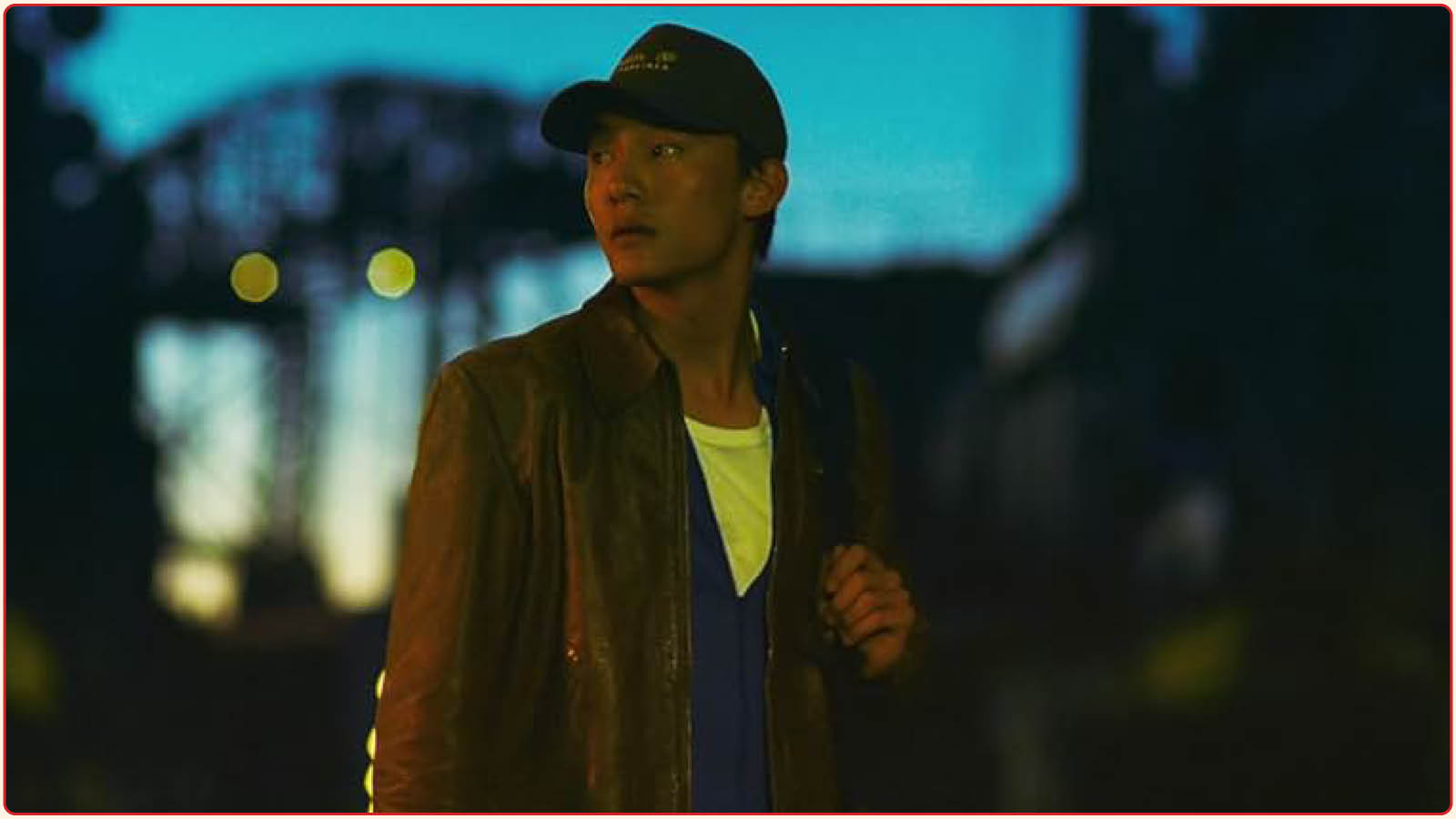
The first of his collaborations with Wong, the auteur he would later work with at least three more times, in 2046 (2004), Eros (2004), and The Grandmaster (2013). In Happy Together, Chen plays Chang, a dishwasher who works alongside Fai (Tony Leung Chiu-wai) at a Chinese restaurant in Buenos Aires, a carefree presence in Wong’s complex and heartbreak-filled film.
“When you enter into a character, you see in a different way than you normally do. That’s something that really moves me.” —Chang Chen
2046
2046 (2004)
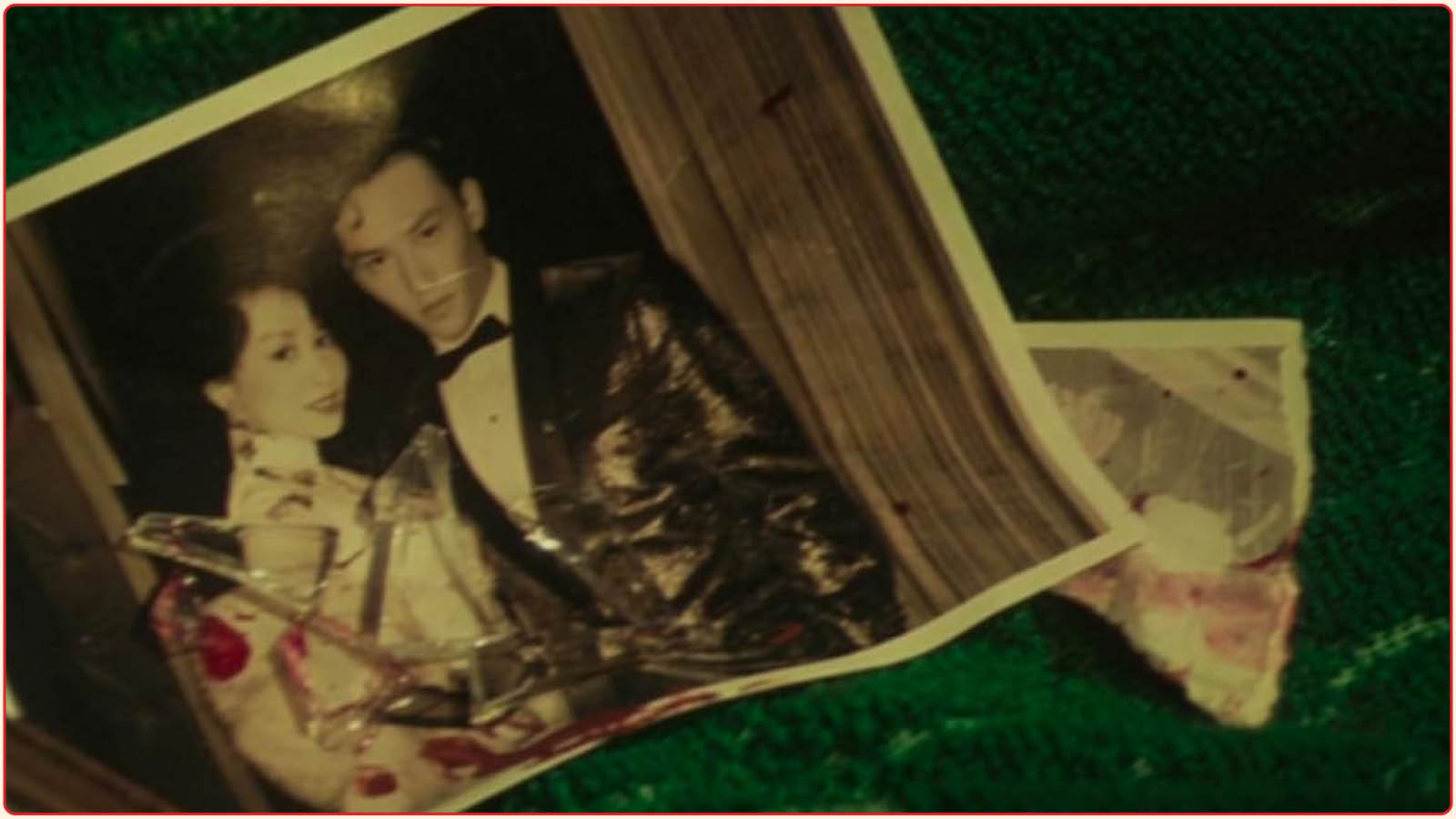
Wong’s sort-of sequel to Days of Being Wild (1990) and In the Mood for Love (2000) is the ’60s-set 2046 which chronicles the now suave science-fiction writer Chow’s (Tony Leung Chiu-wai) various affairs with women, who act as distractions after his one true love, Mrs. Chen (Maggie Cheung), disappears. In his second film with Wong, Chen appears as the boyfriend of Mimi (Carina Lau), an outing that also reunites him with several of his former co-stars including Zhang Ziyi and Leung.
“Wong has been like a teacher for me… The first time I met him, we were in Argentina to shoot Happy Together. He asked me to come to his office and he put a CD in a CD player and told me: ‘Imagine this song is your song. You’ve come from Taipei with this song.’ I had no idea what he was talking about. Remembering this, I realise how important that advice was. These days I often look for similar references for my parts. It might be a painting, a colour or a picture. This is the Wong Kar-wai way of seeing how to act.” —Chang Chen
Red Cliff
Red Cliff (2008)
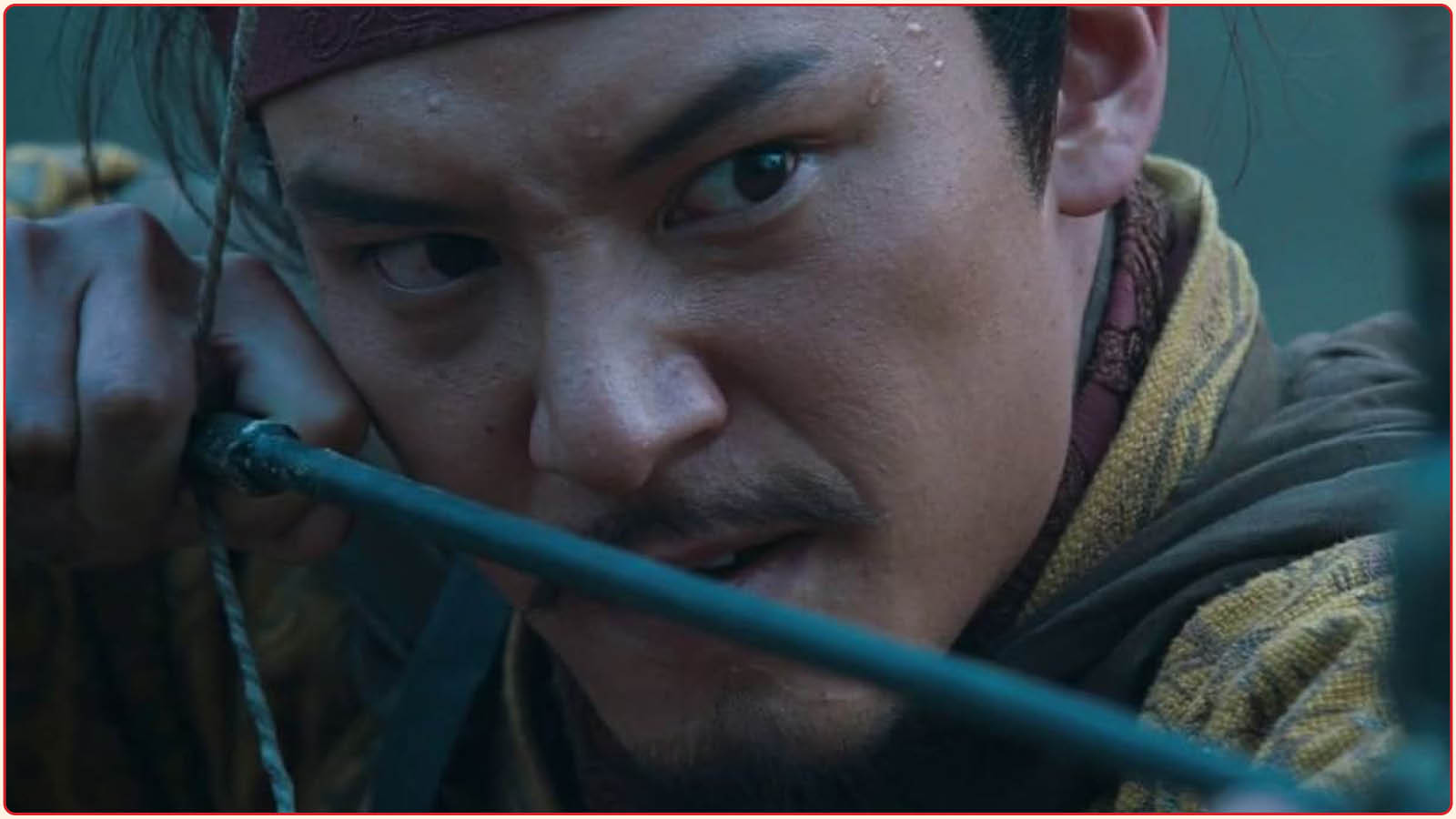
Woo’s brawny period epic, drawn from the greatest set piece in classical Chinese literature, the Battle of Red Cliff in Romance of the Three Kingdoms, features Chen as Sun Quan, a formidable regional warlord. Despite its sprawling scale, Red Cliff shows an admirable attention to detail in both production design and clear delineation of battlefield tactics, the too-rare 21st-century action extravaganza where the stakes—and stratagems—remain perfectly clear throughout. Often playing very reserved characters, Chen is here equally possessed of a simmering magneticism that makes his menace all the more compelling.
“The reason why I enjoy [shooting movies] is because it is a job that needs collaboration—different professionals who work together to achieve just one goal.” —Chang Chen
The Grandmaster
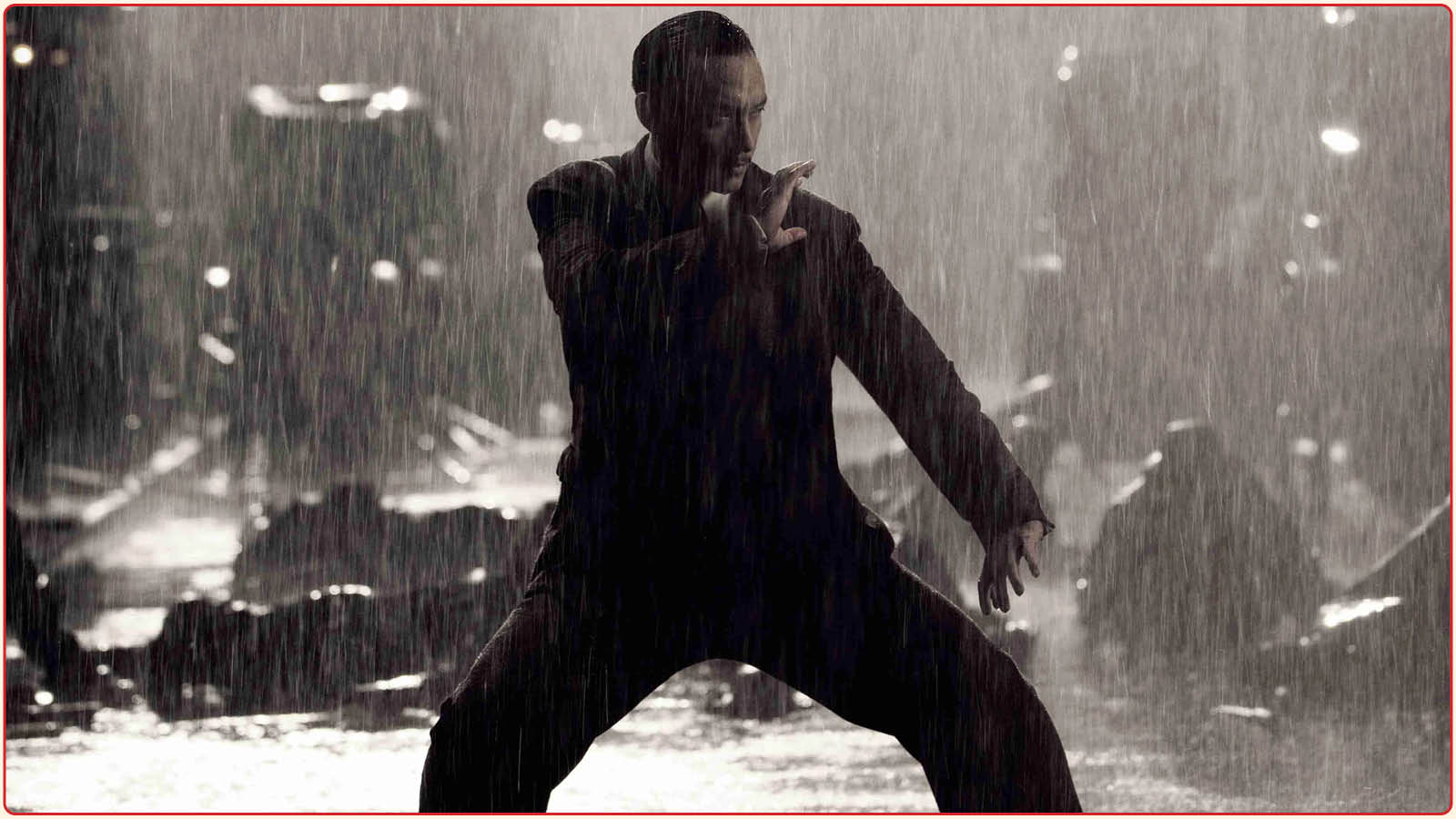
The Grandmaster (2013)
Pulsing with a feeling of loss and the beauty of tradition, Wong’s fourth film with Chen—here in an electrifying turn as Baji boxing master “The Razor”—appeared in the midst of a spate of movies about its central character, the legendary martial artist Ip Man. Chen’s character befriends Gong Er (Zhang Ziyi) while escaping to Hong Kong, where he becomes a Bajiquan teacher.
“With Wong Kar-wai, you kind of dance with the camera, you have a relationship with it.” —Chang Chen
The Assassin

The Assassin (2015)
In Taiwanese master Hou’s hands, the story of Shu Qi’s hitwoman, steeling herself for a mission to eliminate her onetime betrothed, a corrupt official Tian Ji’an (Chang Chen, exuding taciturn gravitas) for whom she has lingering feelings, becomes one of the most voluptuous, entrancing martial arts pictures ever made, a film of at times delirious emotional intensity, thanks in no small part to its magnetic leads.
“[Hou] started by asking us to read a lot of documents pertaining to the period, because it is a period film. We also had to read novels about Japanese samurais and swashbuckling adventures, and [Hou] would point out how in these novels each individual had his or her own special skill in a fight and a single skill was enough because it expressed the personality of the character.” —Chang Chen
Dune
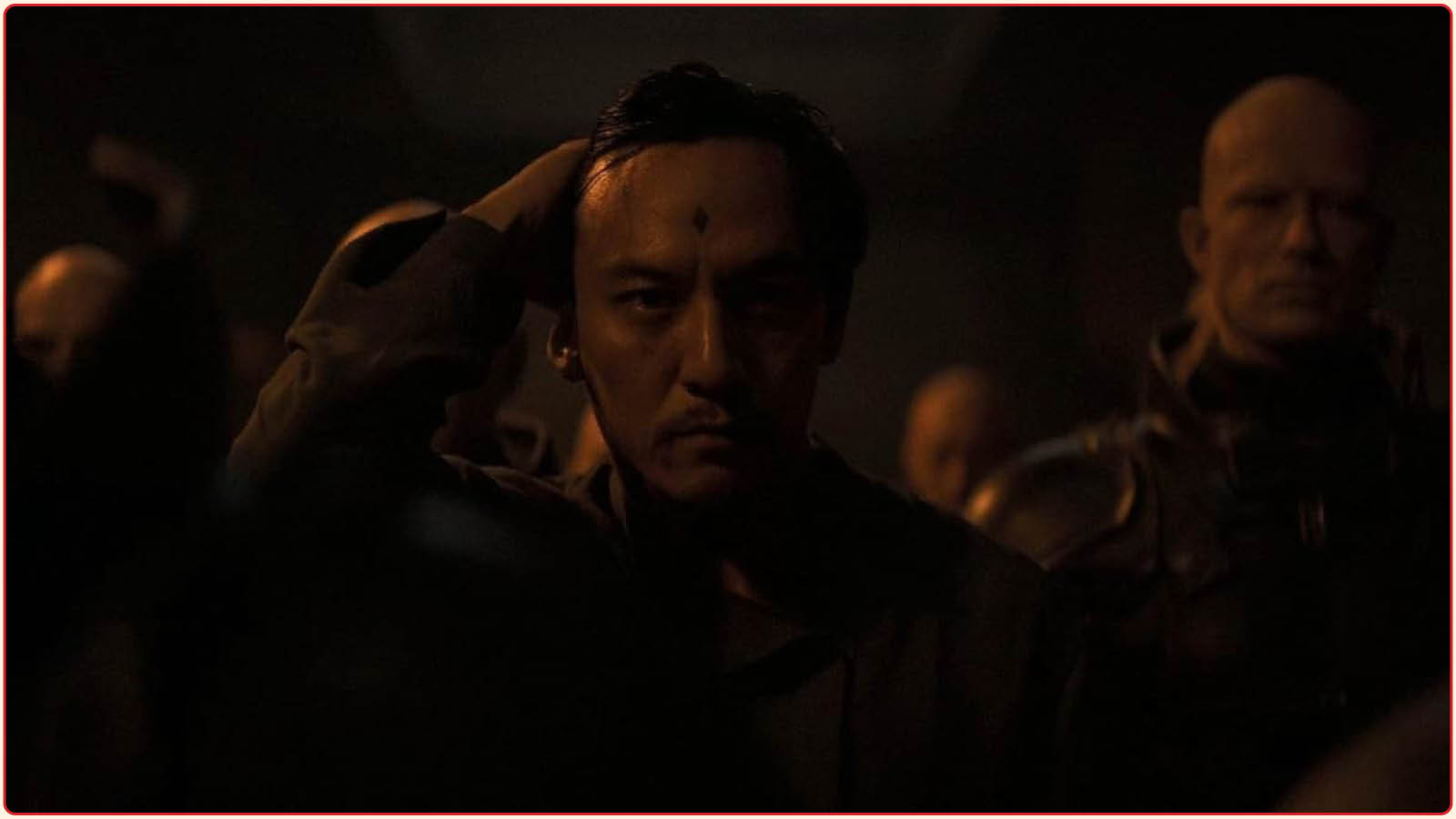
Dune (2021)
Among a star-studded cast that includes Timothée Chalamet, Zendaya, Javier Bardem, Charlotte Rampling, and many more, Chen, in his first substantive English-speaking role, plays Suk doctor Dr. Wellington Yueh. Although he only appears briefly in his role as Dr. Yueh, he becomes one of the most tragic—and indeed, sympathetic—characters in this tale of empire, corruption, vengeance, and destroyed families.
“I’m fascinated by the character Dr. Yueh. He has suffered much despair in his life. As a result, he’s a complex and heartbreaking role for an actor to play.” —Chang Chen
Share:
Recommended
- Anocha Suwichakornpong
 The two filmmakers discuss exile, the shock of political awakening, and the filmmaking ecosystem of Southeast Asia.
 - The Holy Girl
 On Lucrecia Martel’s transfixing portrait of adolescent fervor.
 - Somersault
 On Cate Shortland’s assured directorial debut on sexual awakening.