
STREAMING PREMIERES
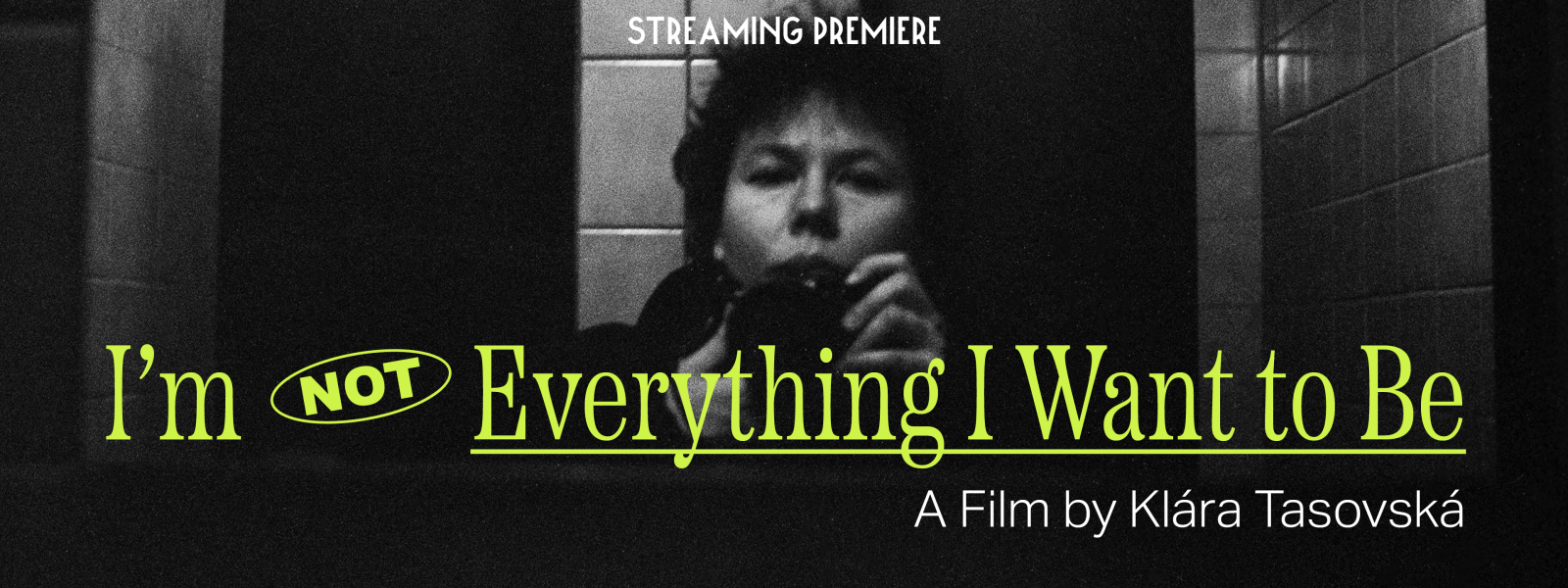
I’M NOT EVERYTHING I WANT TO BE
Oft referred to as the Nan Goldin of Czechoslovakia, Libuše Jarcovjáková chronicled after-dark Prague in the 1970s and ’80s, her photographs of let-it-all-hang-out gay clubs, factory hands working the third shift, and clandestine parties giving a picture of communist-era Czechoslovakia very different from the official one. Klára Tasovská’s candid and compelling documentary provides Jarcovjáková with a platform to tell her story: that of one woman’s tireless search for liberation in an era of state repression.
Streaming premiere March 1
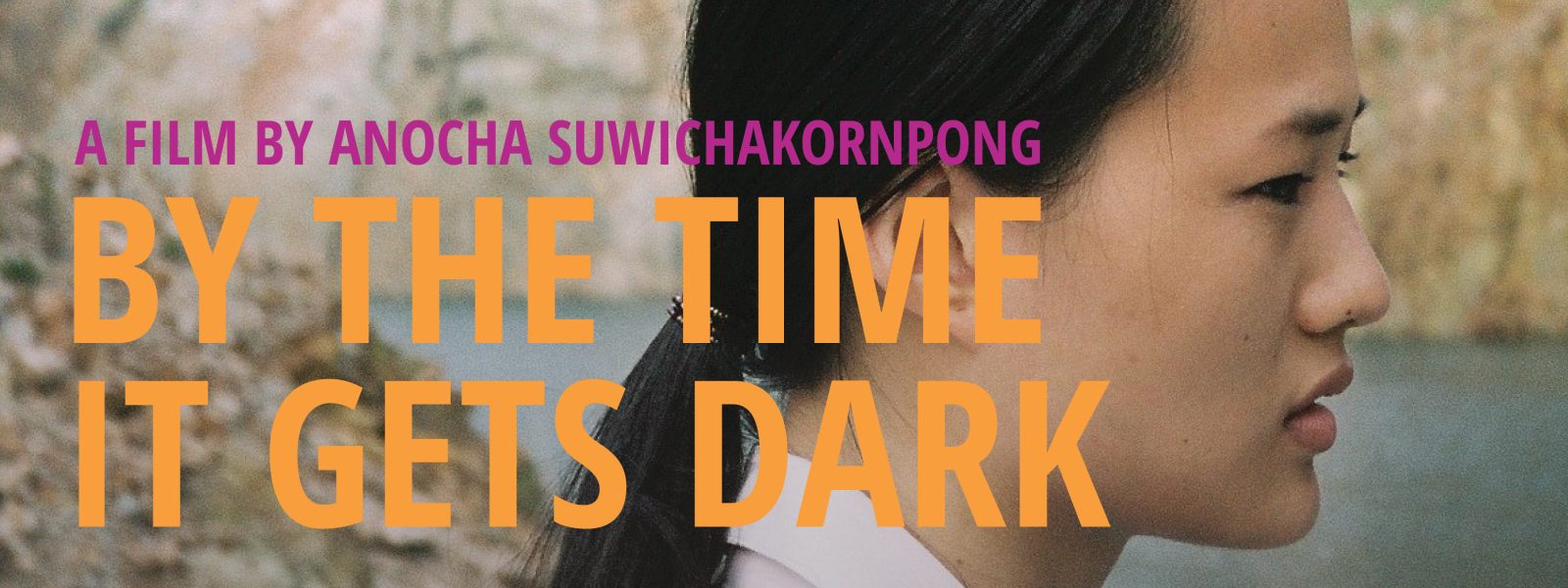
BY THE TIME IT GETS DARK
Suwichakornpong’s second feature presents itself as a straightforward arthouse film about a young director, Ann (Visra Vichit-Vadakan), preparing a project about the 1976 massacre of student activists at Thammasat University. As its protagonist faces a creative crisis, however, it suddenly splinters into a plethora of different styles—documentary, pop musical, melodrama, “post-internet” digital meltdown finale—whose frustration of audience expectations mirrors Ann’s own frustration at trying to understand an unknowable history.
Streaming premiere March 1
NEW STREAMING SERIES AND TITLES

Anocha Suwichakornpong: A Retrospective
Since her Columbia thesis film Graceland premiered at Cannes in 2006, Anocha Suwichakornpong has established herself among the most unpredictable of contemporary filmmakers. While consistent in her preoccupations, chief among these the social and political history of her native Thailand, she employs an eclectic array of formal and narrative devices that frustrate any attempt at passive viewing—see, for instance, By the Time it Gets Dark, with its shapeshifting, multipronged approach to making a “historical film,” this one specifically concerned with the 1976 Thammasat University massacre, or The Ambassadors, her first collaboration with Ben Rivers, in which an episode from the history of Thai-British relations intermingles with imagery of prehistoric creatures and animated vignettes. Metrograph at Home presents a survey of an artist who relentlessly interrogates and subverts established forms, suggesting fresh relations between lived experience and its cinematic representation.

Directed by Raúl Ruiz
A master fabulist with a great talent for the oneiric, the comic, and the literary alike—a rare and potent combination—Raul Ruíz distinguished himself from the jump, snagging Locarno Film Festival’s Golden Leopard in 1969 with his debut feature, Three Sad Tigers. From there, he would build a large and eclectic body of work, ever more dense and daring—working mostly outside of his native Chile, which he fled upon Pinochet’s rise to power in 1973. Metrograph At Home’s selection brings together two of Ruiz’s most dazzling feats of adaptation, Time Regained (1999) and Mysteries of Lisbon (2010)—wrought from novels by Proust and Camilo Castelo Branco, respectively—with his final completed feature, the supernatural, multi-dimensional swansong that is Night Across the Street (2012).
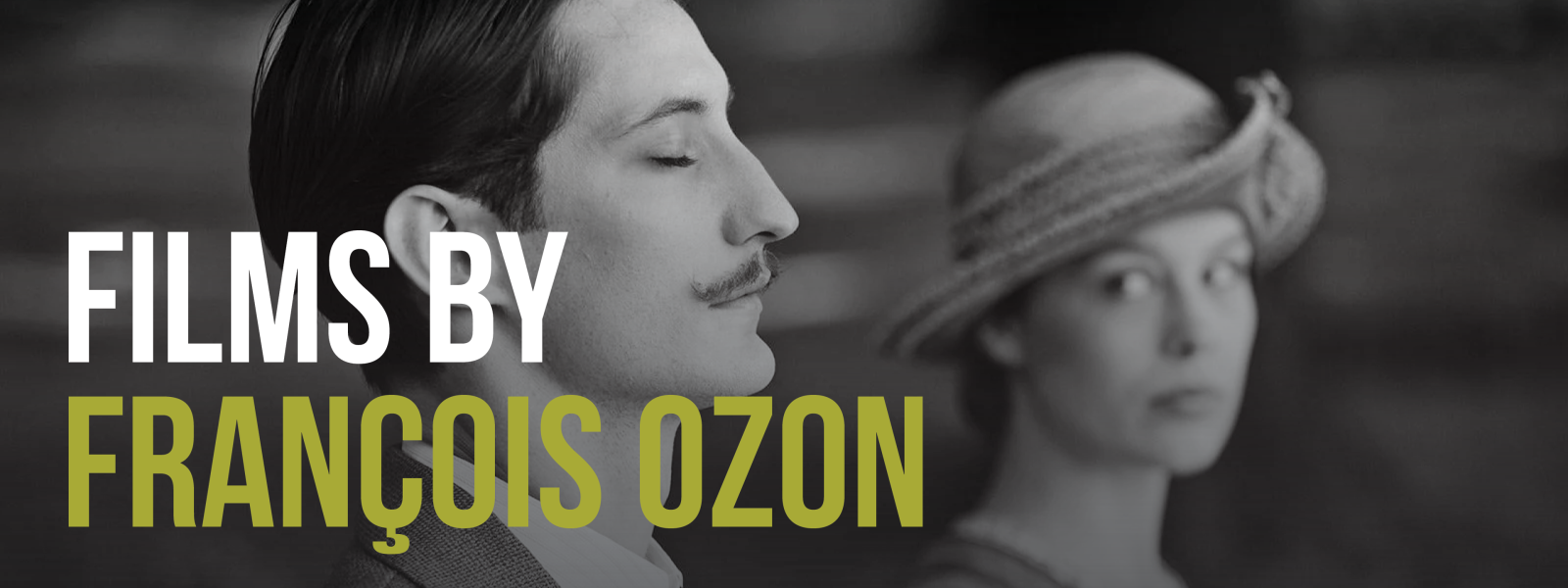
Films by François Ozon
As much a disciple of Maurice Pialat as Max Ophuls and Rainer Werner Fassbinder, François Ozon has established himself, since his breakthrough kooky crime comedy 8 Women (2002) and erotic thriller Swimming Pool (2003), as one of contemporary French cinema’s most stylish, sensual, and refreshingly versatile voices. This trio of films captures something of that range: savour the delicate emotions captured in Frantz (2016), a post-World War I drama modeled on a neglected Lubitsch film, before plunging into the heady queer romance of Summer of 85 (2021) and, finally, revelling in the sapphic, 1930s screwball caper The Crime Is Mine (2023), featuring Isabelle Huppert in fine, frizzy-haired comic form.
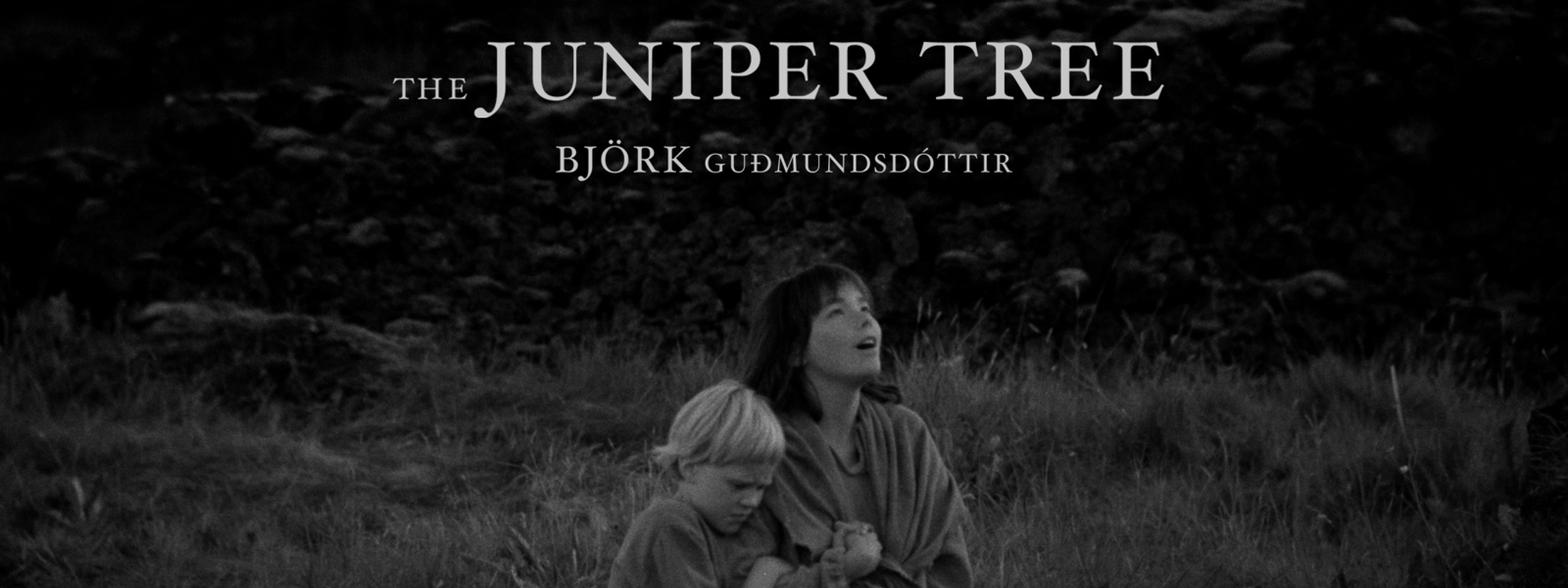
THE JUNIPER TREE
A young Björk makes her captivating screen debut in this stark, windswept fable, freely adapted from a Brothers Grimm story, about two sisters, one endowed with witchy gifts, who set out in search of a new home after their mother is murdered. Setting her feature debut in Iceland, Nietzschka Keene—whose career was cut short by her death from cancer in 2004—makes full use of the country’s supernaturally striking landscape, evoking Bergman through her mise en scène.
Joining Women’s Work: Essential Films by Female Filmmakers

WOMEN’S WORK: ESSENTIAL FILMS BY FEMALE FILMMAKERS
Experience the diverse storytelling and unique perspectives of women directors in this collection, featuring everything from intimate character studies and thought-provoking dramas to genre-bending narratives and compelling documentaries.