
June IN THEATER
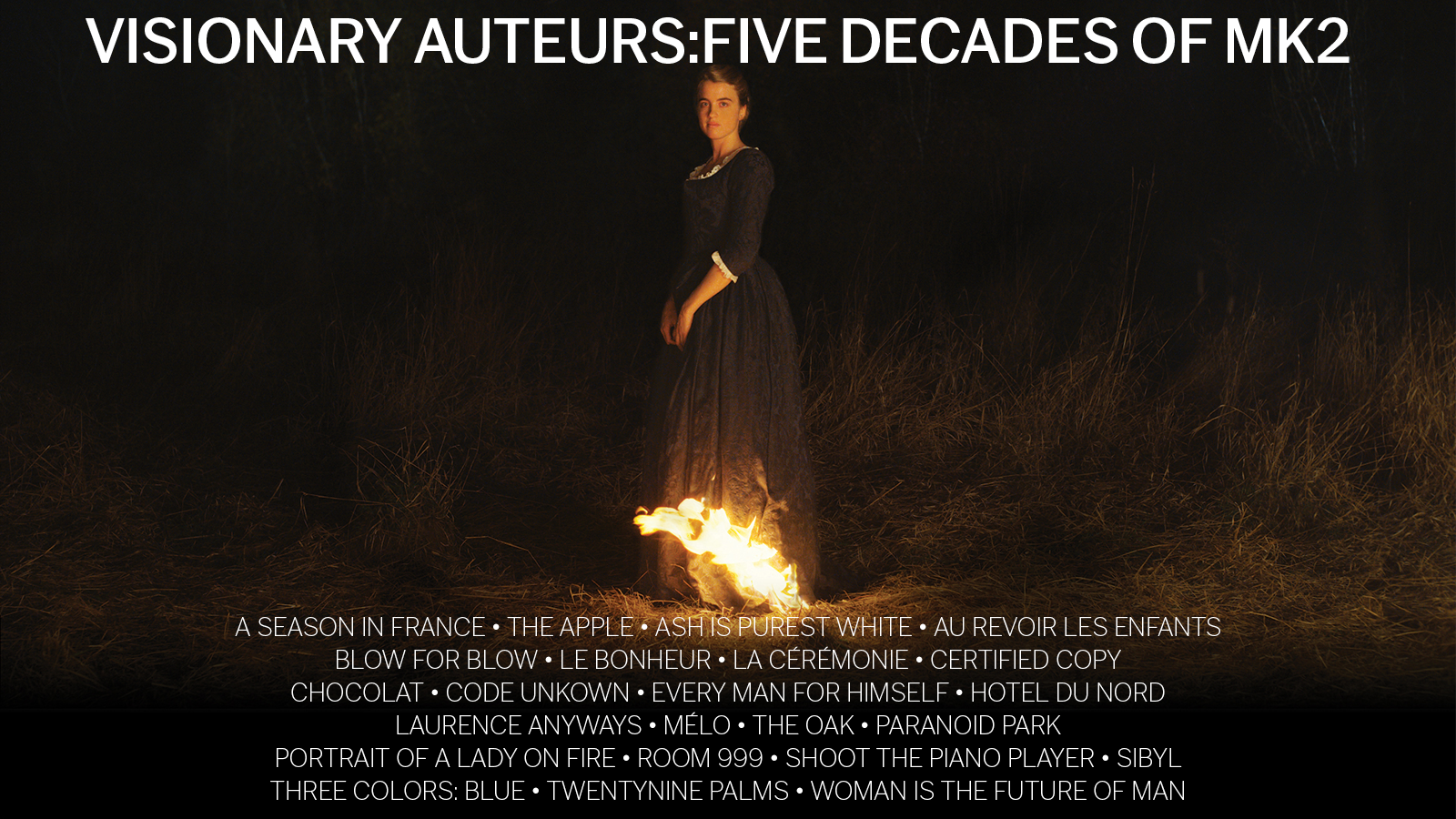
Visionary Auteurs: Five Decades of mk2
Opens May 31
Founded in 1974 by Bucharest-born Marin Karmitz, mk2 has through its 50 years been involved in the production, distribution, and exhibition of films by a line-up of directors that reads like a who’s who of French and international cinema, including Jean-Luc Godard, Justine Triet, Agnès Varda, François Truffaut, Michael Haneke, Abbas Kiarostami, Claire Denis, Céline Sciamma, and too many others to name. To mark the company’s half century as an independent, family-run titan of cinema, we’re screening a long list of titles from their vast catalog, including the Karmitz-directed 1972 documentary Blow by Blow, as well as welcoming actress and director Lubna Playoust to screen her very contemporary state-of-cinema address, Room 999, made four decades later in response to Wim Wenders’s 1982 cine-interrogation, Room 666.
In Person appearances from Richard Brody, Ari Aster, Elisha Karmitz, Lubna Playoust, and Kent Jones
Series Includes:
A Season in France – The Apple – Ash is Purest White – Au Revoir Les EnfantsBlow for Blow – Le Bonheur – La Cérémonie – Certified Copy
Chocolat – Code Unknown – Every Man for Himself – Hotel du Nord
Laurence Anyways – Mélo – The Oak – Paranoid Park
Portrait of a Lady on Fire – Room 999 – Shoot the Piano Player – Sibyl
Three Colors: Blue – Twentynine Palms – Woman is the Future of Man

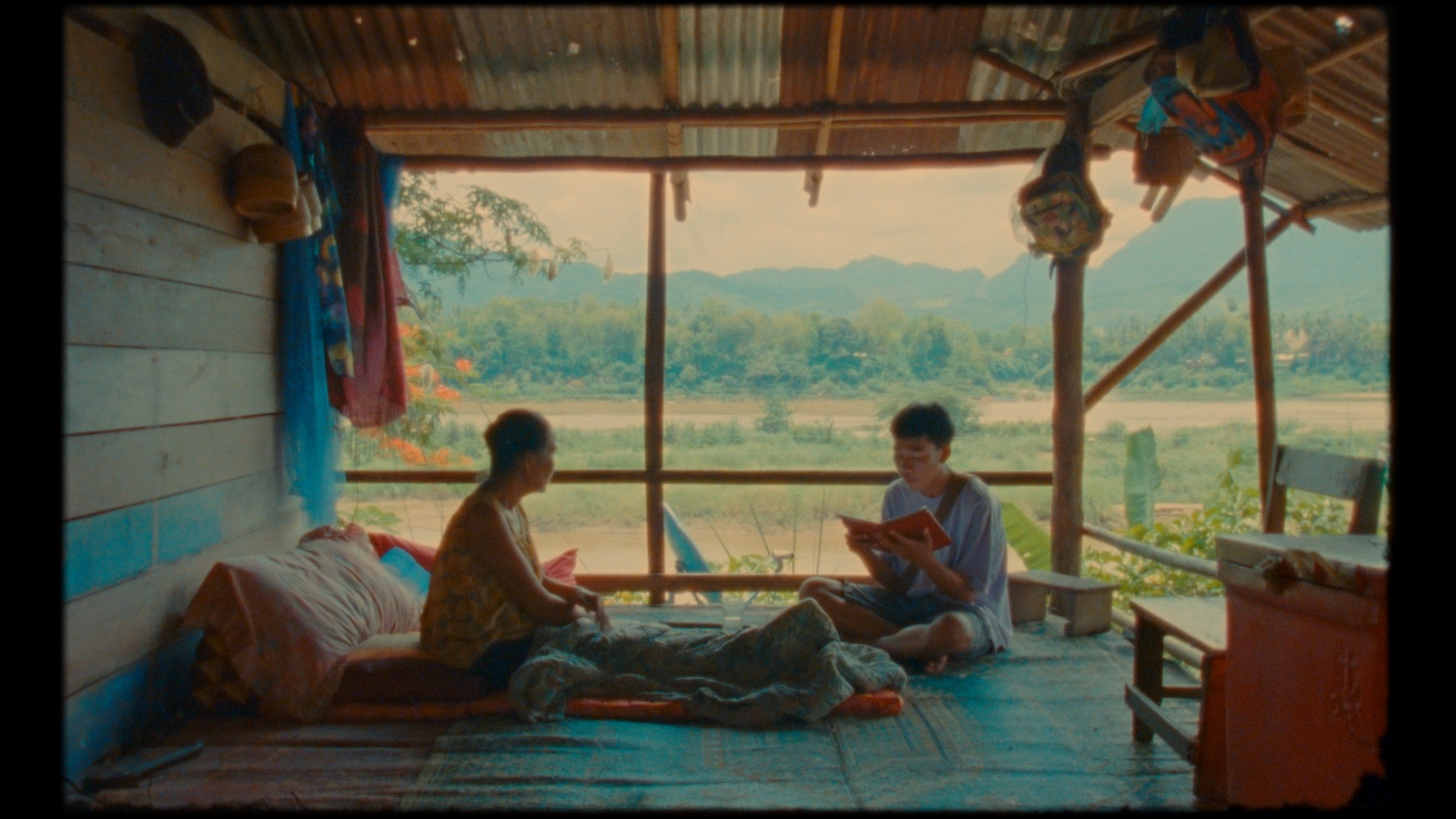
Samsara
opens May 31
An immersive, absorbing, and wildly original journey of death and rebirth, Patiño’s film begins in Laos, observing the lives of a young man, the local monks he befriends, and an elderly woman at the end of her life, then picks up after the woman’s death with the birth and nurturing of a goat kid on the coastline of Zanzibar. In between these sections lies a passage through the unknown, accompanied by a dense sonic collage and the play of color and light, that makes for a depiction of the afterlife-or, rather, the space between lives-that’s entirely without precedent. “Part film, part guided meditation, it’s unlike anything else you will experience in the cinema.”-The Guardian

NOBUHIKO OBAYASHI X 3
opens june 7
An ebullient, inimitable pop surrealist whose irreverent, off-the-wall humor in no way disguised his very serious commitment to pacifism and the importance of maintaining human dignity, Obayashi is perhaps best known for his 1977 comic horror romp House, but upon his death in 2020 left behind a vast, rich body of work still awaiting further rediscovery. Accompanying our run of the new restoration of 1989’s Beijing Watermelon, Obayashi’s tender and spirited story of cross-cultural fellowship, we review some highlights from this one-of-a-kind artist, including his cult film par excellence, House, and his sprawling final cinematic will and testament, 2019’s Labyrinth of Cinema.
Series Includes:
Beijing Watermelon – House – Labyrinth of Cinema

Beijing Watermelon
Opens June 7
Obayashi’s warm, bustling, slice-of-life picture, based on the real-life story of a Tokyo greengrocer who put his own livelihood at risk to extend help to a succession of poor Chinese exchange students in Japan, tapped into widespread feelings of anxiety and anger in the aftermath of the events of Tiananmen Square upon its initial release 35 years ago. A tender, populist drama brimming with anarchic, comic energy-in a vital new restoration-bringing together Obayashi regulars like Yasufumi Hayashi and Toru Minegishi with the relatively little-known Bengal, who is excellent in the central role of the small businessman for whom altruism becomes a potentially destructive obsession.
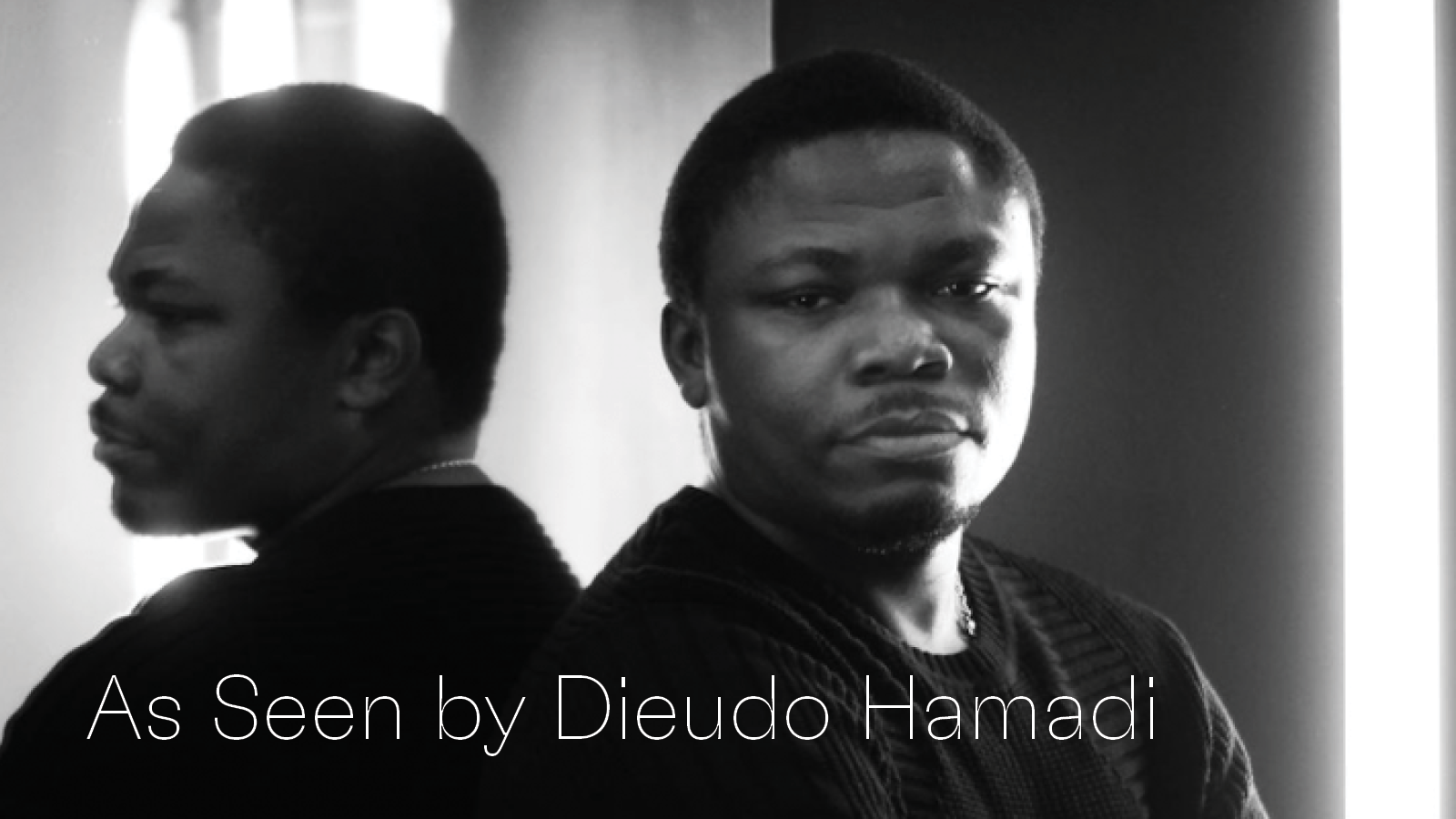
As Seen by Diuedo Hamadi
opens June 8
Born in Democratic Republic of the Congo in 1984, Hamadi took a roundabout course to arriving in his current position as one of the most compelling talents in contemporary African cinema and international nonfiction filmmaking as a whole. After initially studying medicine, Hamadi turned to directing music videos and commercials, as well as working on genre projects for director Djo Munga’s production company. Then, at the outset of the 2010s, Hamadi made a creative about-face and began reeling out a series of intimately observed documentary works, fixing an acutely modern lens on urgent social issues and protracted political conflicts in the DRC and wider Sub-Saharan Africa while also remaining grounded in the concrete through their director’s alertness to everyday detail. Bringing together early works like Mama Colonel and Kinshasa Makambo with 2020’s Downstream to Kinshasa-the first DRC film to be an Official Selection at Cannes-this series focuses on a vital body of work by a still-young filmmaker at the vanguard of modern documentary.
Series Includes:
Atalaku Preceded by Ladies in Waiting – Downstream to Kinshasa – Mama Colonel Preceded by Zero ToleranceKinshasa Makambo – National Diploma

Reassembly: the films of bill morrison
opens June 14
Known for his hand-in-glove creative collaborations with contemporary composers and his capacity to conduct scraps of archival film as though they were players in a symphony orchestra, Morrison is one of the most lauded experimental filmmakers to emerge in the last 30+ years, with his 2002 Decasia, scored by Michael Gordon and stitched together from corrupted fragments of silent movies, having been proclaimed by critic J. Hoberman as “the most widely praised American avant-garde film of the fin-de-siècle.” See it, along with a choice selection of Morrison’s shorts, including his newest, Incident, and his lyric retelling of the tale of a nitrate film treasure trove’s discovery, Dawson City: Frozen Time, in this tribute to a profound thinker on film, history, and filmed history.
Bill Morrison in person for select screenings
Series Includes:
Bill Morrison Shorts Program – Dawson City: Frozen Time – Decasia Preceded by Light is Calling

Filmcraft: Tom Fleischman
opens June 15
The son of producer/director/writer Stephen Fleischman and editor Dede Allen-the latter the subject of a recent Metrograph retrospective-sound engineer and re-recording mixer Tom Fleischman has been working in the film industry since the late ’70s, an innovator in his field and an essential collaborator of filmmakers like Warren Beatty, Jonathan Demme, and Martin Scorsese. Here we pair two of Fleischman’s films with Demme and Scorsese-Something Wild and Hugo, for which he won the Academy Award for Best Sound Mixing-with two films that crucially shaped his approach to creating cinematic soundscapes, Robert Altman’s Nashville and Stanley Kubrick’s Barry Lyndon, respectively.
Tom Fleischman in person for select screenings
Series Includes:
Something Wild – HugoNashville – Barry Lyndon
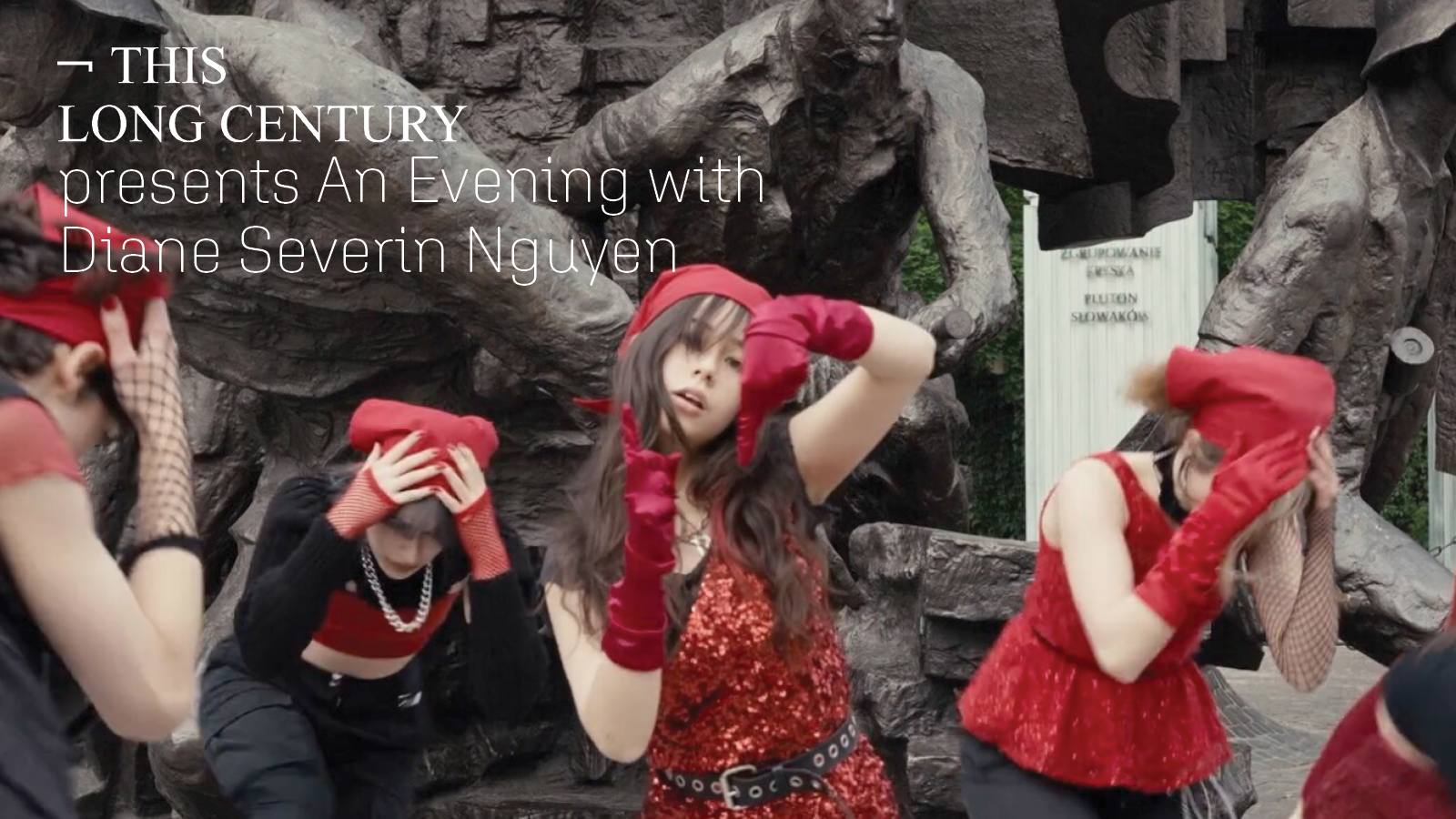
This Long Century Presents: An Evening with Diane Severin Nguyen
June 21
Artist, curator, and founder of online art archive This Long Century, Jason Evans comes to Metrograph to join in conversation with an eclectic array of interdisciplinary creators and visionaries working in or adjacent to moving image-based art in this screening/artist talk series. A stimulating survey of artist-facing close reads, This Long Century Presents probes the creative visions of the sort of smartly curated selection of polymathic modern luminaries that This Long Century has been bringing together since its founding in 2008.
“Diane Severin Nguyen destroys the divide between binaries, keeping us in a constant state of change, where nothing is absolute. Her films, like her photographic work, are formed out of many possibilities-copies, covers, contradictions, versions, interpretations, rehearsals-often drawing on shared histories and cultural touchstones, presenting them as fragments, broken and recomposed over time.”-Jason Evans, This Long Century
Introduction and post-screening artist talk with Diane Severin Nguyen

TV IN REVIEW
opens June 21
Two moving image-based mediums, television and cinema are natural rivals… and as great rivals tend to be, they are and have long been mutually fascinated with one another. In this chock-a-block with ideas but commercial-free series, see how provocative cineastes through the years have engaged with, spoofed, and subverted the tropes of the small screen, from Bill Gunn and Ishmael Reed’s “meta soap opera” Personal Problems, and Benjamin Crotty’s sly reappropriation of reality TV dialogue in Fort Buchanan, to Bruce and Norman Yonemoto’s deadpan dissection of how mass media propaganda colonizes our inner lives in Green Card: An American Romance. Don’t touch that dial!
Series Includes:
The Golden Boat – Fort BuchananGreen Card: An American Romance – Personal Problems – The Wandering Soap Opera

From Director to Producer: Davy Chou Selects
Opens June 22
Born in France to Cambodian parents, Davy Chou-director, producer, teacher, and film historian-has been an energetic and boundlessly enthusiastic advocate for cinema in Europe and Asia both, where his organization of workshops and role as one of the founders of the collective Kon Khmer Koun Khmer has helped to gestate a new generation of talent in Cambodia. Along with Chou’s lauded most recent feature, 2022’s Return to Seoul, a sensitive study of a French adoptee’s search for her biological parents in South Korea that premiered at the Cannes Film Festival, Metrograph presents a program of films that bear Chou’s indelible imprint as producer with Anti-Archive (Onoda, Last Night I Saw You Smiling) as well as a program of recent Cambodian shorts.
“Anti-Archive aims to accompany the emergence of a new generation of Cambodian directors. The shorts program and Kavich Neang’s Last Night I Saw You Smiling are incarnations of the variety, singularity, and necessity of these new voices. Onoda, the epic feature by Anatomy of a Fall‘s co-writer Arthur Harari, which we line produced in Cambodia, is a fascinating bridge between the best of new French cinema and this new Cambodian generation, with several directors I work with involved in the production of the film.”-Davy Chou
Davy Chou in person for select screenings
Series Includes:
Cambodian Shorts Program – Last Night I Saw You SmilingOnoda: 10,000 Nights in the Jungle – Return to Seoul
lucky kerr selects
Opens june 28
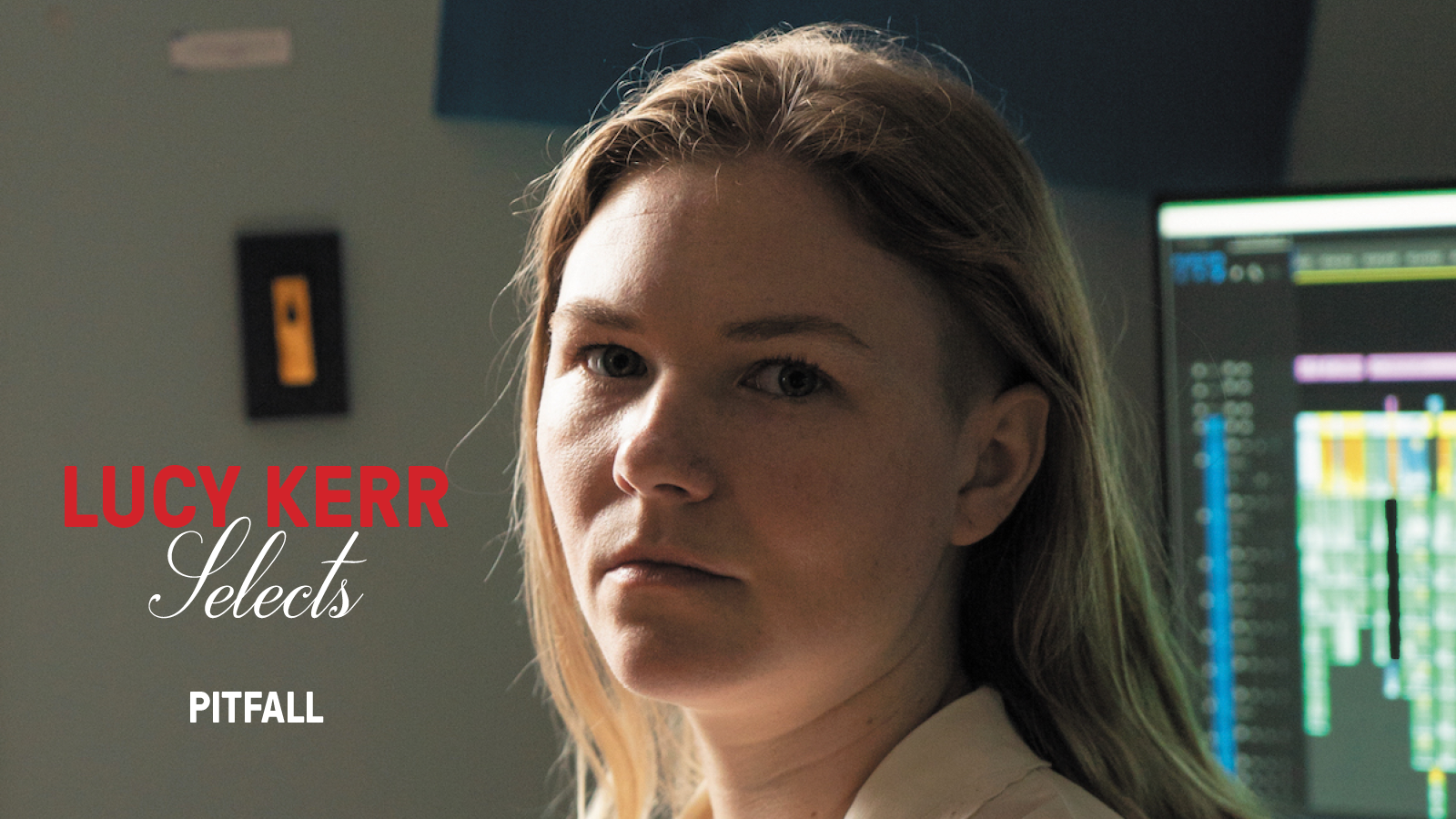
Accompanying Metrograph’s run of American writer-director Lucy Kerr’s Texas-set ensemble drama Family Portrait, the filmmaker selects one film to share that greatly influenced her anxious, haunting debut: Hiroshi Teshigahara’s first film, Pitfall (1962).
“A story of exploitation and labor struggle swallowed by a liminal labyrinth of souls lost, falling, yearning. An urgent, bold, haunting film debut, with unexpected comedy.”-Lucy Kerr
Introduction from Lucy Kerr
Family Portrait
opens June 28
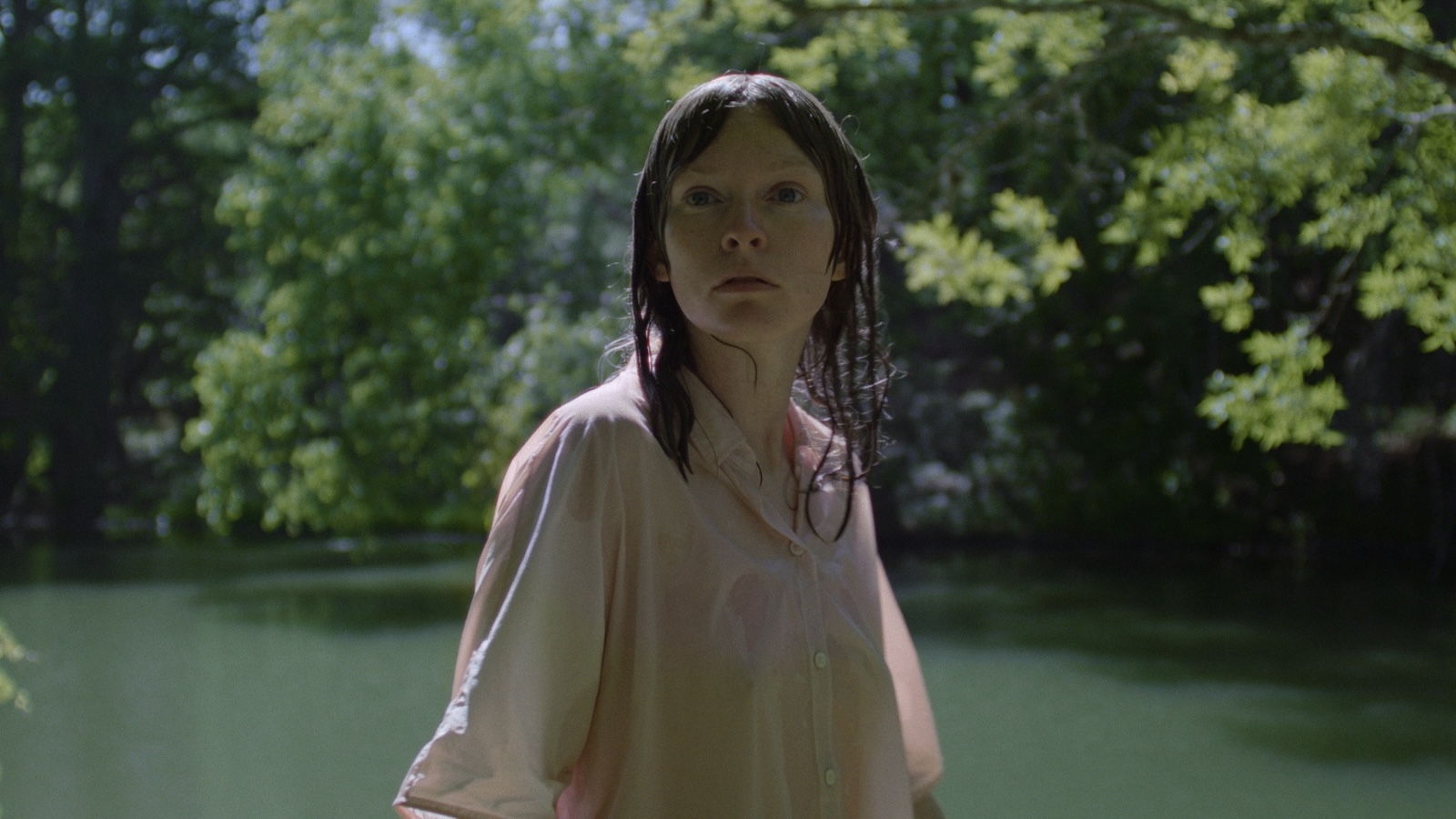
A “period piece” hearkening back to a time of very recent memory, Kerr’s enigmatic and disquieting directorial debut takes place one summer day on a sprawling, idyllic estate in Texas. A large family gathers to take a group picture, only for the matriarch to disappear and the rest of the clan to seemingly scatter to the wind, leaving daughter Katy (Deragh Campbell) to try to salvage the gathering in a world where reality is increasingly untrustworthy. A subtly modulated work that gets under the viewer’s skin by way of ominous sound design and masterfully orchestrated Steadicam cinematography, creating an unforgettable atmosphere of ambient anxiety.
Introduction + Q&A with director Lucy Kerr
A Factory 25 release