
The Metrograph Interview
Carol Kane
Fifty years in 50 minutes with the irrepressible screen icon.
Also Starring… Carol Kane, our eight-film tribute, opens at Metrograph on Saturday, August 17, and Four by Nathan Silver is currently streaming on Metrograph At Home.
Share:
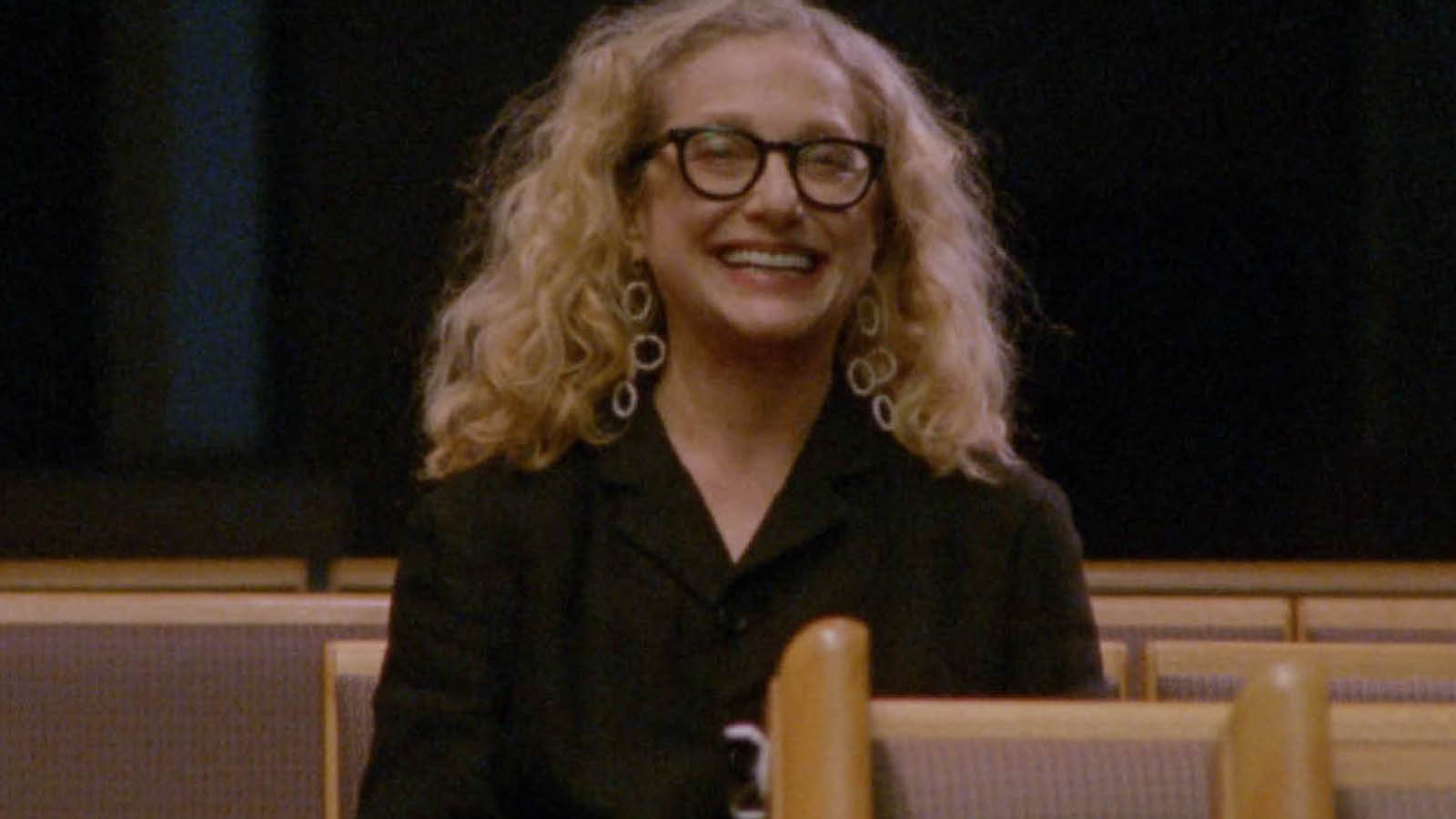
Carol Kane is omnipresent in American cinema and television. If you list her initial run of directors, it’s like reading off a ’70s who’s who of heavy hitters, including Mike Nichols, Joan Micklin Silver, Woody Allen, Ken Russell, Sidney Lumet, Hal Ashby. Since such auspicious beginnings, Kane has continued to carve out an extraordinary career, appearing in TV shows and movies that many hold dear: the sitcom Taxi (playing the indelible Simka Dahblitz-Gravas, opposite Andy Kaufman), The Princess Bride (1987), Ishtar (1987), Scrooged(1988), a 1994 episode of Seinfeld, to name but a few… Understandably, it was with some trepidation that I approached Carol to appear in my latest movie, Between the Temples (2024). But within five minutes of talking to her, I could see why so many directors adore her; she is as delightful, hilarious, and openly human as she appears onscreen. To put it plainly: she’s no bullshit. On set, she immediately let it be known if anything felt inauthentic. She doesn’t just want to be good in a movie, she wants the movie to be good, and she surrounds herself with people who demand the same kind of honesty in their work as she does in life. (It should come as no surprise that she was close with Bette Davis and John Cassavetes, and that she counts Elaine May and Gena Rowlands as dear friends.) The following interview was conducted in her Upper West Side apartment. I was then treated to an impromptu concert, performed by Kane’s mother Joy, an immensely talented pianist. An afternoon I will not soon forget. —Nathan Silver
CAROL KANE: I’m so excited.
NATHAN SILVER: I know, we get to speak again. I’m so grateful to have worked with you. And I’m so fascinated by your career—was your earliest role in Mike Nichols’s Carnal Knowledge (1971)?
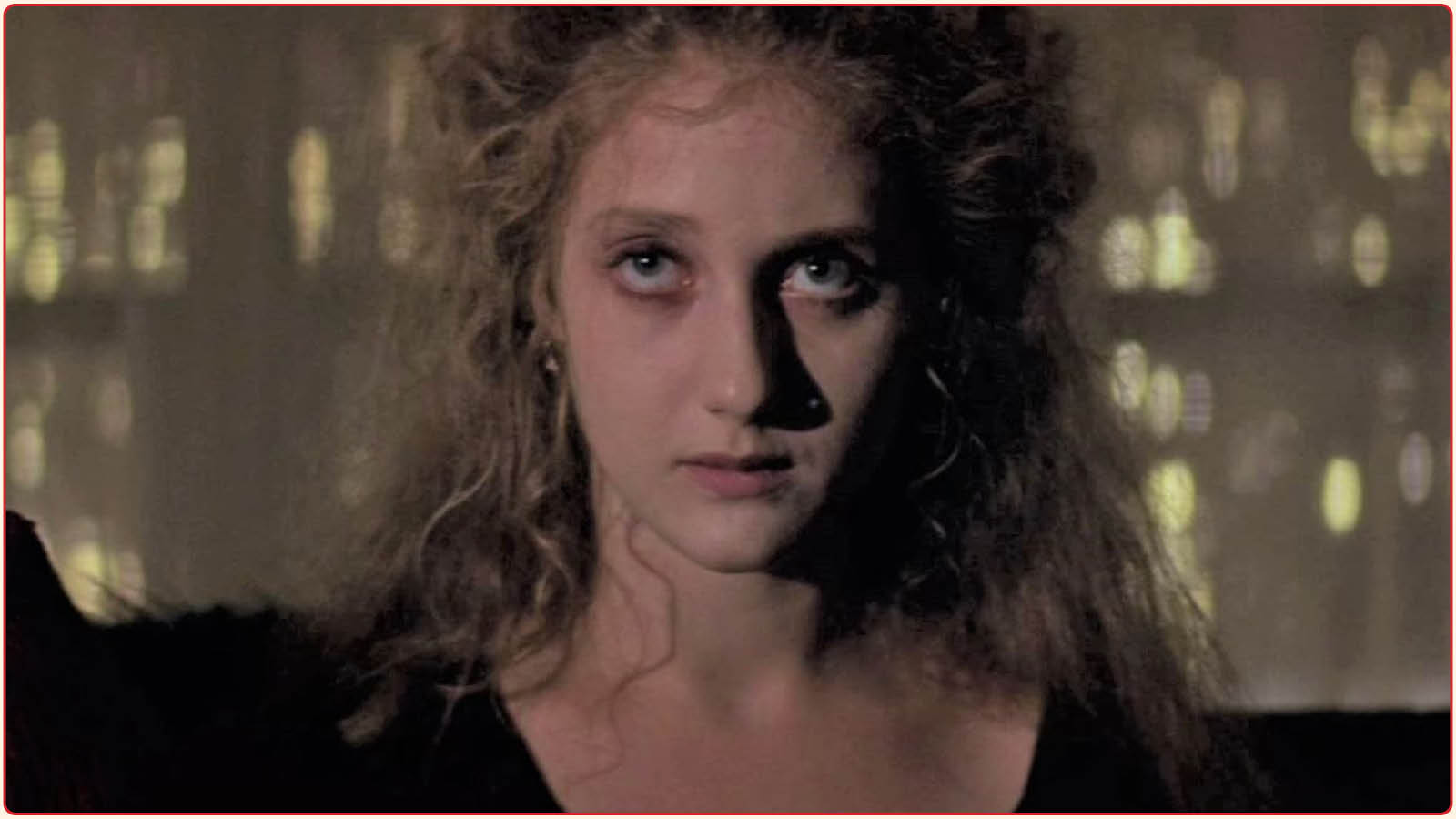
CK: That’s right. Actually, I got Carnal Knowledge because I did a lot of extra work. I think now they call them “background artists,” but in my day we were extras [laughs]; we were disposable. There was an incredible guy named Vic Ramos who cast nearly all the extras in those days, and—I’m just giving you the whole story.
NS: Please do.
CK: So, Mike was looking for this character, Jennifer, for Carnal Knowledge. Jennifer Bogart, who was married to Elliott Gould in those days, was to play her but for some reason she fell out. They were looking for this flower child character, so Vic sent my picture. They thought I looked great.
NS: I remember seeing the photos of you back then: the big hair!
CK: Yeah, down to my knees. They were shooting in Vancouver, so they sent me up there. The deal was that if they approved of me, I would stay and shoot the movie; if not, I would fly back the next day. I was a teenager at the time, maybe 19. So I flew there and met Mike—it was like a miracle. He was so gracious and lovely, and he just said, “You’re perfect.”
NS: He cast you on the spot, wow.
CK: Then he said, “I have to watch the dailies, would you like to come?” I went into this room—mind you, I’m 19 fucking years old—and there’s Jules Pfeiffer, who wrote the film, and Jack Nicholson, and Art Garfunkel. I’m sitting in this room like whaaat? In total shock.
NS: And this is your first role!
CK: Everybody was unbelievably kind to me, and there was a great photographer named Mary Ellen Mark.
NS: Oh, I love her—Streetwise (1988) is one of my favorite movies.
CK: She was on set because that’s what she did, shooting stills for movies. She shot some incredible pictures of me. And Mike—you couldn’t have started with a better director, because one of his many gifts was making people feel like they were perfect in his eyes. Of course, I was frightened, sitting there in a room with Jack Nicholson, thinking I knew nothing—which was true. I told them how scared I was, and Mike said, “You’re just perfect. You can’t do anything wrong.”
NS: Had you done theater as a kid?
CK: Yeah, I’d done a lot of theater already. I started at a children’s theater in Ohio. There was an incredible guy there named Jerry Leonard who was so demanding with us little kids—most of us started at five or six years old. I did The Wizard of Oz, and, you know, the Munchkins have that thing: “Don’t go to the east!”—we were idiots on stage, pointing in whatever direction, and Jerry came storming down the aisle: “No! The east is this way!” He was a perfectionist. At that young age, I learned you have to get it as good as you can get it. Now I’d say that, to some degree, I was an insane perfectionist when I was young, which I think was costly to me, and to some people around me.
NS: I can see aspects of that even now. You want to make sure that you’ve delivered what you need to. You’re an incredibly present performer. That’s part of your whole process.
CK: You felt that?
NS: It’s still there!
CK: [Laughs] Oh, good. But I’m more collaborative now—in those days, I just wanted to get it perfect.
NS: What came next after Carnal Knowledge?
CK: I did Desperate Characters (1971), some PBS stuff, and a Broadway show called Ring Round the Bathtub, which closed opening night. I had it in my contract that, after opening night, I was being let out to go to Toronto to star in a movie called Wedding in White (1972). Did you ever see that?
NS: I don’t think I have, no.

Hester Street (1975)
CK: It’s a great movie. It was me and Donald Pleasence—a true story, a tragic story, and an important movie for me, my first starring role. Anyway, I had it in my contract to leave the Broadway show for six weeks and come back, but the next morning we got the call: “Come clean out your dressing room.” That was all before Hester Street (1975), for which I auditioned three times.
NS: I remember you telling me this—Joan [Micklin Silver] and her husband financed it, right?
CK: Yes, Ray Silver, who before that, had been in prefab housing. Before that, they came from Cleveland, Ohio, as did my family, so I had that introduction—“Hello, my parents know you, blah blah blah”—but that was the end of that, because then the auditions were tough.
NS: Did you have to learn Yiddish?
CK: That’s the thing. For the last audition, I had to do my lines in Yiddish, so I was sent to work with a lovely gentleman who worked in the Yiddish theater who taught me the lines phonetically. It was to just feel out who the character was, there was a lot to say in English. I got the part, and I was offered, you know, two and a half cents. My manager Bill Tresh, incredible guy, he said, “Well, they have someone in second place, and they will go to that person if you don’t say yes.” I think I made something like $400 a week for four weeks. But thank God for Bill for telling me I’d better step up or step out. [Laughs]
NS: What was it like working with Joan? She’s such a hero of mine.
CK: There’s a dedication to her at the end of your movie, right? Am I allowed to ask you questions?
NS: Well, it’s more about you!
CK: Okay, but you said, “She’s such a hero of mine.” Can you elaborate on that?
NS: I find her films—particularly Hester Street, Chilly Scenes of Winter (1979), Between the Lines (1977), Crossing Delancey (1988)—the humanity on display, the humor, the characterization; all of these things move me in her films, more so than in many others that are in a similar register. I find she digs a bit deeper. I don’t know exactly how she pulls that off, but I think it probably comes from who she was as a person.
CK: She was very driven. You can see that. And so smart, obviously, as was Ray.
NS: Absolutely. The budget for Hester Street was quite small.
CK: Less than $400,000, I believe; something in that area. Even then, that was nothing. There was a funny story Joan loved to tell. Most of the film was shot in this teeny studio on East Fifth Street, but then when we were doing the exteriors, with the street peddlers and the horses—you know how in Hester Street there are horses coming up and down the street? The story Joan loved to tell was that they could only afford one horse, so they just painted the horse different colors.
NS: That’s showbiz.
CK: Yeah. I have one other quick thing to say about Hester Street. So, Ray found this guy named Max Burkett, who had worked for one of the major studios back in the day. Max was retired, but the last awards campaign he’d worked on was Julie Christie in Darling (1965), and she’d won [the Oscar for Best Actress]. So what Max did for Ray was he took the cans of film over to Rosalind Russell’s house—these big, heavy cans of film—and Russell invited Frank Sinatra and so-and-so, and so-and-so’s so-and-so. Max screened the film for them, then he took those cans to I don’t know who else’s house, but that ilk of actor, and they invited their friends and so on… and that’s how somehow, miraculously, I got nominated [for Best Actress]. He was completely retired, but he said he liked to bet on a dark horse. And I want to say—ugh, this is going to make me cry, but you know me, I cry easily—that when I didn’t get it, I felt really devastated on behalf of Max, because last time, Julie got it, and I didn’t. I felt really bad.
NS: But the fact that you were nominated—
CK: It was ridiculous!
NS: It speaks to the wonderful vulnerability of your performance in that movie.
CK: And also to Max, Ray, Joan, and the whole gestalt of the thing. An amusing aside: when it came time to do the PR in LA, I got put up at the Beverly Hills Hotel. I had no money at all, so I was staying at the hotel while going to the unemployment office to collect my weekly check. Life was so crazy in that period.
NS: The life of an artist! It sounds like me. What happened post-Hester Street? I’m sure that gave a jolt to your career.
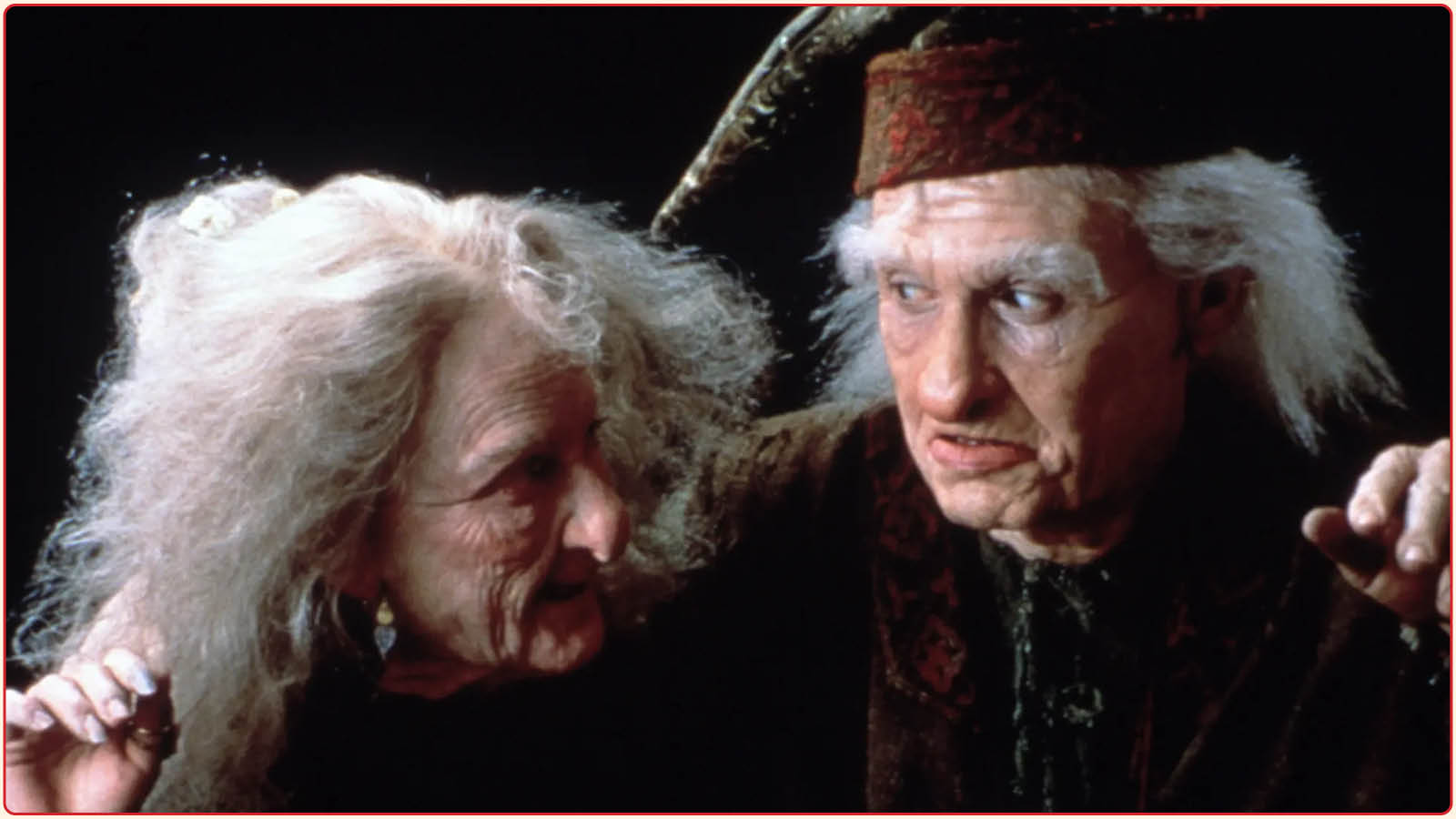
The Princess Bride (1987)
CK: I’m sure you’re wrong! I did not get a phone call for a solid year—and I mean a year. I’m not even exaggerating. It got to the point where I did the thing that you do when you’re in love with somebody and hoping they’ll call and they don’t call and you start picking up the phone to make sure there’s a dial tone, because it must be that the phone is disconnected—that was me.
NS: That is mystifying.
CK: One more story. By the time Hester Street came out, that was the year One Flew Over the Cuckoo’s Nest (1975) was at the Oscars. Actually, Louise Fletcher won the Oscar that I was up for, and Jack Nicholson won [Best Actor]. I had done two movies with Jack: Carnal Knowledge and The Last Detail (1973). And the day before the Academy Awards, and the week before—your phone rings an insane amount, flowers come, cards, all that. The day after: dead silence. There you are, you’ve lost and nobody’s calling. Then my phone rings, and it’s Jack. He says, “Whitey”—that’s his nickname for me—“Whitey, what are you doing? You want to go to El Cholo with me and Anjelica [Huston]?” He took me to lunch the day after he won and I lost, because he knew what that day was like.
NS: He’d been through it before. I mean, it all sounds like such a whirlwind.
CK: You know, it sounds that way, but like I’m saying, I get nominated and then you could hear a pin drop for a year. Then the first phone call I got was from Gene Wilder, for The World’s Greatest Lover (1977). He offered me the part of the leading lady, which was the first comedy I’d ever done.
NS: And which you excel at. You have such natural comic timing.
CK: But I had never done a comedy, I had no idea. I guess he saw something.
NS: Speaking of comedy, how did you get cast in Taxi, in which you starred opposite Andy Kaufman? You were a guest in the second series, in 1979, and then they brought you back as a main character two years later, right?
CK: I was in my twenties when I first got offered Taxi. In those days, movie actors did not do television. It was really frowned upon. However, Jack Gilford, who I admire tremendously, had done Taxi. I thought if Jack could do it, I could too. I had a crazy experience with Jim [James L. Brooks]. I thought that on television the producers were like the heads of cereal companies; I didn’t understand that they were also often the writers and creators. On the night we were going to shoot, Jim came to my dressing room to give me some note, but I was religiously from the theater and nobody talks to you after half hour—that’s your time to prepare, and I was, as I said, a perfectionist—so this guy knocked on the door and I opened it and said, “It’s half hour! I can’t talk to you now,” and I slammed the door in his face. And because he’s Jim Brooks, he had ultimate respect for the fact that I did that. [Laughs] He understood that was my process, but so that was that. A year or so later I went to a party—Penny Marshall and Carrie Fisher used to have these incredible birthday parties—and Jim was there. By that time, I’d realized he was the writer. I expressed interest in being part of Taxi again and they brought me back, as Andy’s girlfriend, and then subsequently wife—which Andy was upset about. He did not want to be married.
NS: I feel I heard a story about you working with him; at the time, you were very much focused on the script, but he forced you to improv a bit, right?
CK: Well, he didn’t want to rehearse. This was a discussion we had every show. He only had to come in for the first week or two, then somebody would play him for the rest of the rehearsals. He had a cardboard sign around his neck that said “Andy.” That was the deal Andy had made. It was a big thing for him that the performance be fresh and unrehearsed. Me, coming from theater, all I ever wanted to do was rehearse. We were just oil and water in that sense, but [our characters] had to be in love and eventually married.
Every show when he came back, I’d say, “Andy, I need to talk to you,” and we’d sit in his dressing room, and I’d tell him I was upset because I had to rehearse with somebody else. He’d say he understood, and he felt bad, but that was the way he had to do it. Then I’d say that I understood and, eventually, by the end of this conversation, we’d be together—which we had to be—and then we’d go out there and we loved each other. I mean, I’m being presumptuous, I have no idea how he really felt about me, but we dealt with each other in a caring way.
NS: Let me see where we’re at… we’ve been talking for 36 mins.
CK: And I’m only 30 years old.
NS: That just speaks to how many people you’ve worked with and the breadth of your career.
CK: I’m so lucky. And then Dog Day Afternoon (1975) with Sidney Lumet, and Al [Pacino]—Al and I did a lot of theater together.
NS: And you were also rehearsing for a play with Elaine May and John Cassavetes, right?
CK: Well, that was the thing: we didn’t know if it was a play or a movie. We rehearsed and rehearsed and rehearsed, and it was a magnificent experience. Elaine and I played failed hookers who were roommates. We were too picky about our clients so we were always broke. And John was a john.
NS: I wish I could see this piece. It doesn’t exist anywhere, though, right?
CK: It exists in the gigantic amounts of pages that were written, because John and Elaine were writing simultaneously. We were rehearsing every day and improvising, adding things in and taking things out. We were rehearsing in LA, and then I had to go back to New York, so John said, “Okay, we’re all going to go.” John and Gena stayed at the Wyndham, where they always lived, and Elaine had her place, which she still has, and then… it’s very complicated, but I think John wanted it to be a play and Elaine thought it was a movie, or vice versa… and we had no director.
NS: So you had two writers, actors, but no director.
CK: And it went on and on. It was so brilliant, and then, I don’t know what happened. Just: it was brilliant, and it went away.
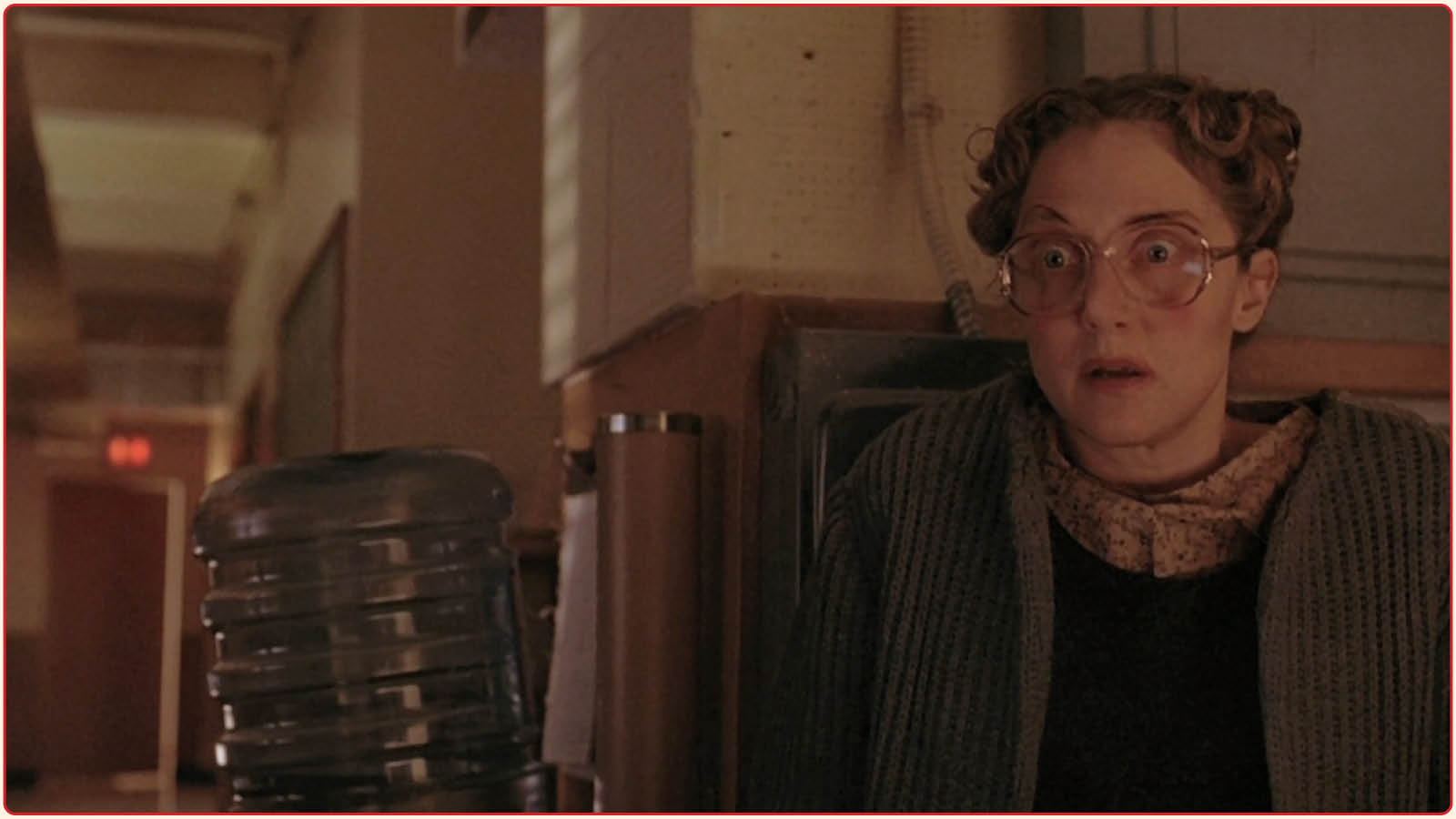
Office Killer (1997)
NS: This interview could last for 12 hours and we’d not even get to the present. To finish up: you’ve done so much, but Cindy Sherman’s Office Killer (1997) is one of your few leading roles, alongside When a Stranger Calls (1979) and The Mafu Cage (1978). How did that come about?
CK: Because I’m a lucky bitch! I mean, they called and asked me to come meet Cindy, and I studied her book closely.
NS: That’s her only feature film, right?
CK: She better do more! So far, it’s the only one—and it wasn’t received the way it should have been when it came out.
NS: Yeah. But it has a cult following now.
CK: One thing that I love about it: did you notice how Dorine’s eyebrows are so weird, and they don’t match? Every day, Cindy would draw them on me. I didn’t want the make-up people to do it, I wanted her—because she was free enough to make them instinctively, wherever they were, and leave them that way and not correct them. That started our day. It was great.
NS: Like I said before, 12 hours wouldn’t even get us close to the present—that’s what I love about your career and all the things you’ve done; you have so many stories around you. Next time we can talk about Bette Davis.
CK: And how now I have a leading role in a Nathan Silver film!
NS: Which I’m so grateful for.
CK: It’s nice to not be a grandmother for a change.
NS: The very opposite—though technically you are a grandmother in the movie, because you have grandkids.
CK: But I don’t play a grandmother.
NS: Exactly. Thank you, Carol. The movie would not be the movie without you.

Between the Temples (2024)
Share:
Recommended
- Travel Companions: Bahram Beyzaie & Amir Naderi
 On two defining Iranian filmmakers, and two of their most enduring works.
 - A New Love in Tokyo
 On the pulse of pleasure in Banmei Takahashi’s effervescent Pink drama.
 - Let the Dead Bury the Dead: A. S. Hamrah in Conversation
 On the so-called “death” of theatrical moviegoing, Romero’s oft overlooked fourth Land of the Dead (2005), and a whole lot more.