

Friends of Metrograph Avery Trufelman, Phillip Lopate, Caden Mark Gardner, and Mackenzie Lukenbill each share a film they love, streaming on demand on the Metrograph At Home platform.
AVERY TRUFELMAN selects
A Girl Walks Home Alone at Night


A Girl Walks Home Alone at Night, dir. Ana Lily Amirpour, 2014
Please don’t mistake me for a vampire movie girlie. I am not, per se. It’s just that, for some reason, vampire movies make the best use of music. Think about it: the slowed-down Wanda Jackson track in Only Lovers Left Alive (2013), the club scene of Bauhaus performing in The Hunger (1983), Tangerine Dream’s score for Near Dark (1987), and-yes, forgive me-the choice use of “Eyes on Fire” in Twilight (2008). A Girl Walks Home Alone At Night is no exception to this rule, especially in the pinnacle scene, where a diegetic song playing on a record seems to transport the characters into another world. I must have watched that scene a dozen times. Something about that moment captures what it’s like to be young, to be attracted to someone, to be confused, and to be so romantic that it keeps you from sleeping. So many tableaus and images from this beautiful film stay lodged in my mind to the point where I have started to feel very tenderly towards Bakersfield, California, where the movie was shot (as a stand-in for Tehran).
WATCH A GIRL WALKS HOME ALONE AT NIGHT
Avery Trufelman is the host and producer of the podcast Articles of Interest, a show about what we wear.
PHILLIP LOPATE SELECTS
Little Fugitive
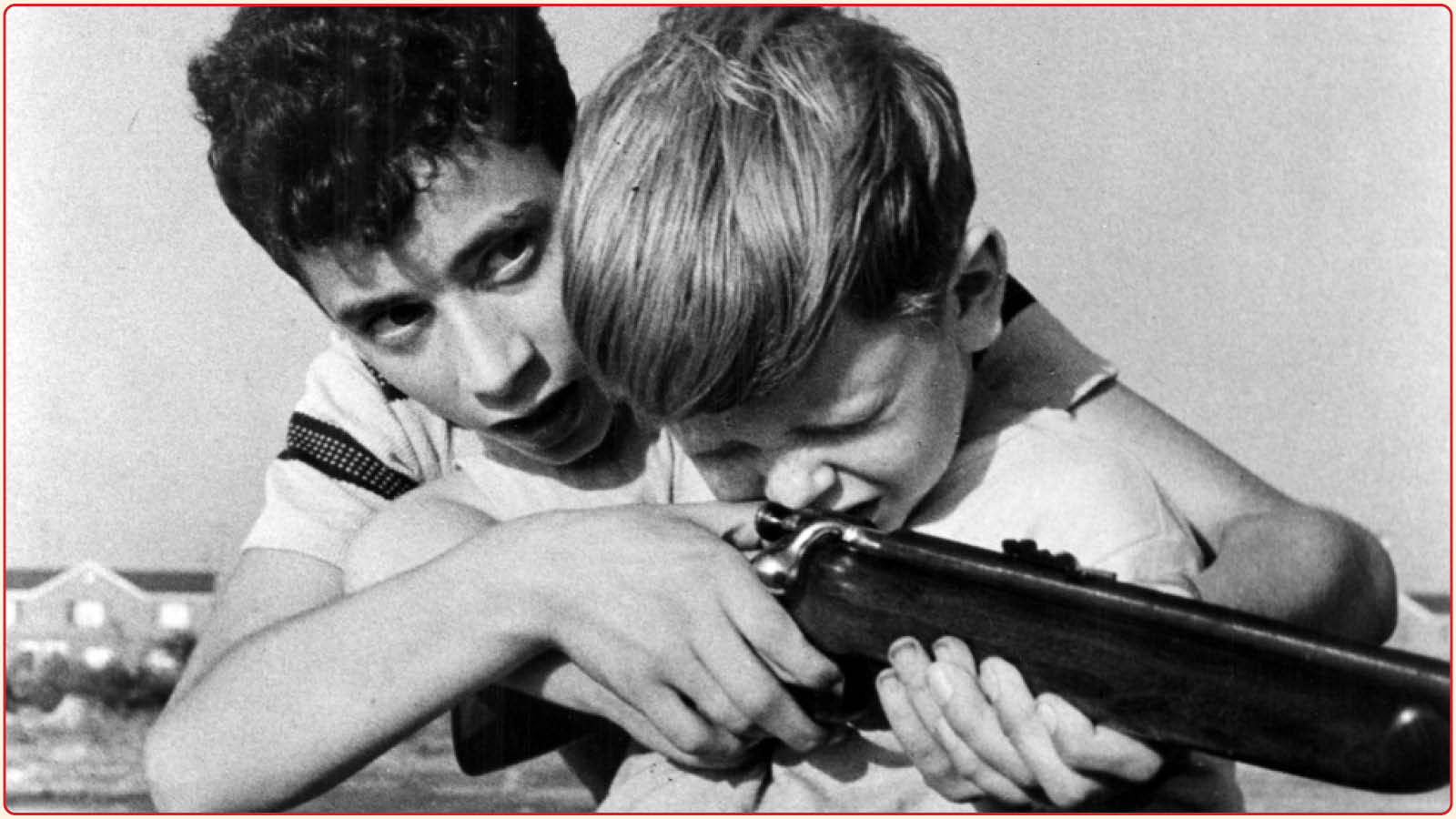
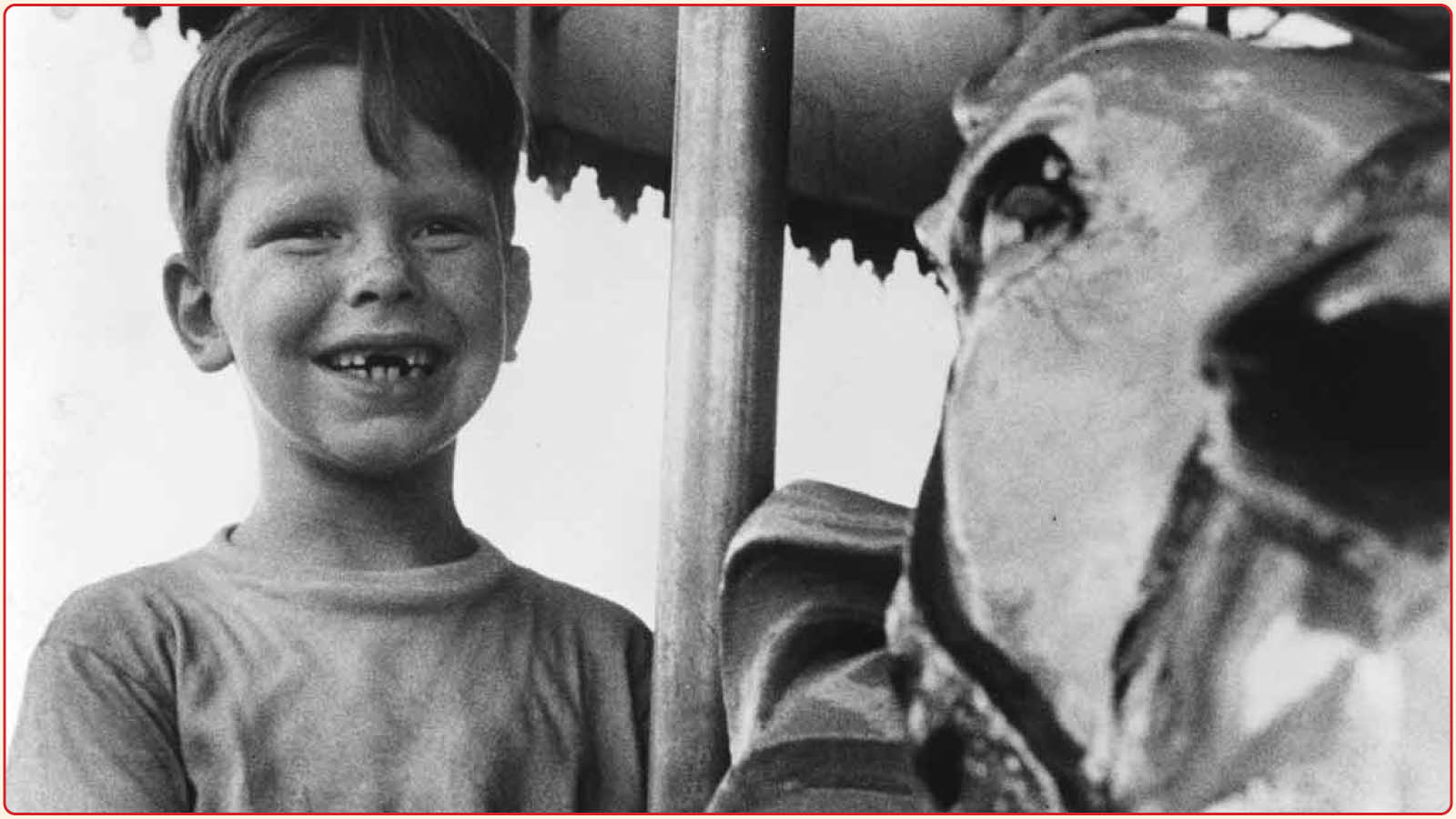
Little Fugitive, dir. Morris Engel and Ruth Orkin, 1953
In 1953, two still photographers who were married, Morris Engel and Ruth Orkin, made their first feature on a shoestring, which has held up well and indeed become something of a little classic. It follows a seven-year-old boy, played by the adorable, bemused Richie Andrusco, who mistakenly thinks he has killed his older brother and so is afraid to go home, meanwhile traipsing around Coney Island. There he has to navigate the larger world of challenges and temptations, and what the surrealists called the miraculous in the everyday. I know of no other film that so perfectly combines documentary and fiction: the reality of Brooklyn tenements in the ’50s and that grubby, tender playland that was Coney Island. Jonas Mekas heralded Engel and Orkin as part of a new independent movement of filmmakers like John Cassavetes, Lionel Rogosin, Robert Frank and Sidney Meyers, who were discovering ways to capture truth without recourse to the slick melodramatic plots of Hollywood. But it was the remarkable performance of an amateur, Richie, that will stick longest in your memory.
Phillip Lopate is an essayist, novelist and film critic. His latest book is My Affair With Art-House Cinema.
CADEN MARK GARDNER SELECTS
BloodSisters: Leather, Dykes and Sadomasochism
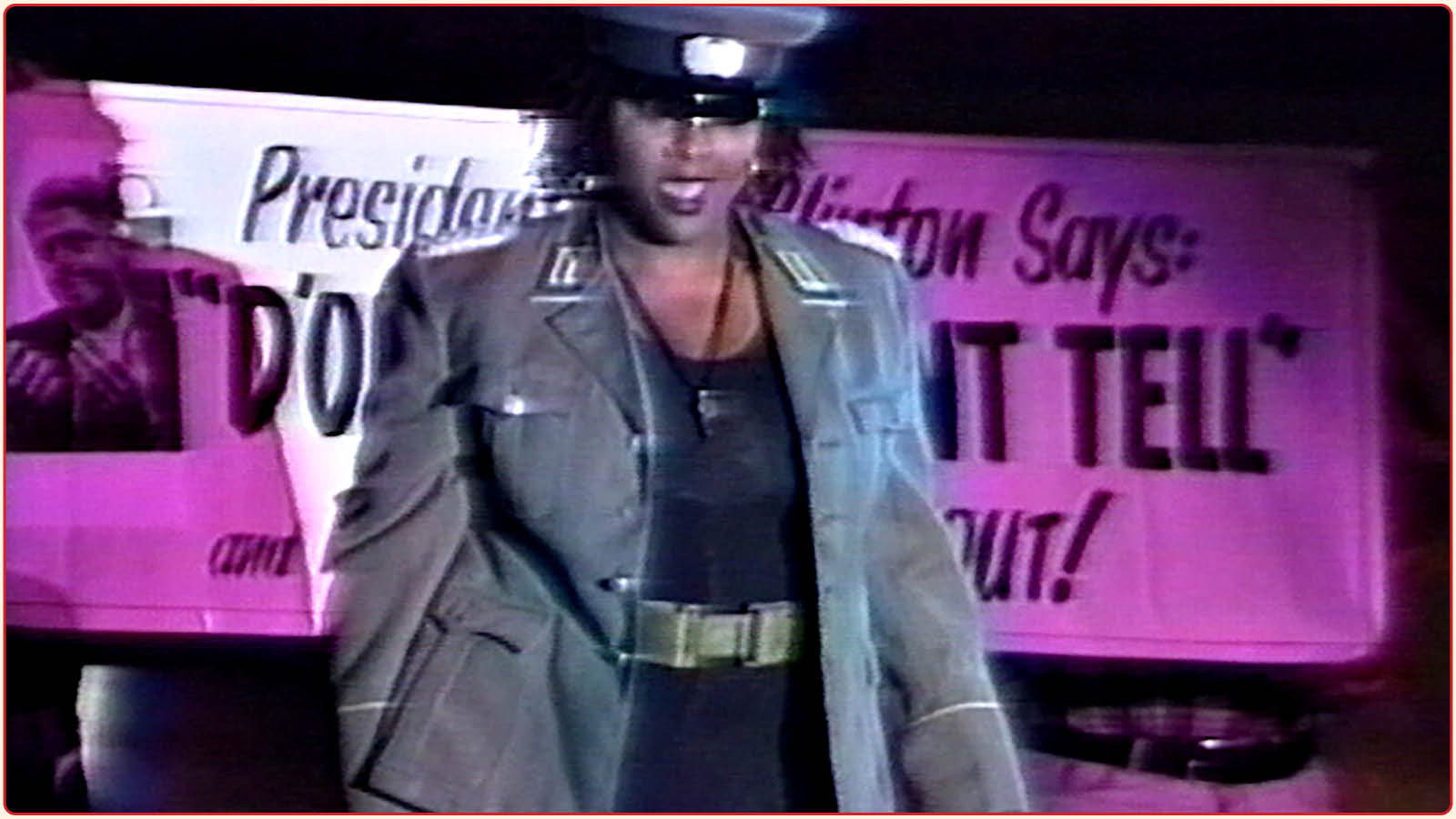
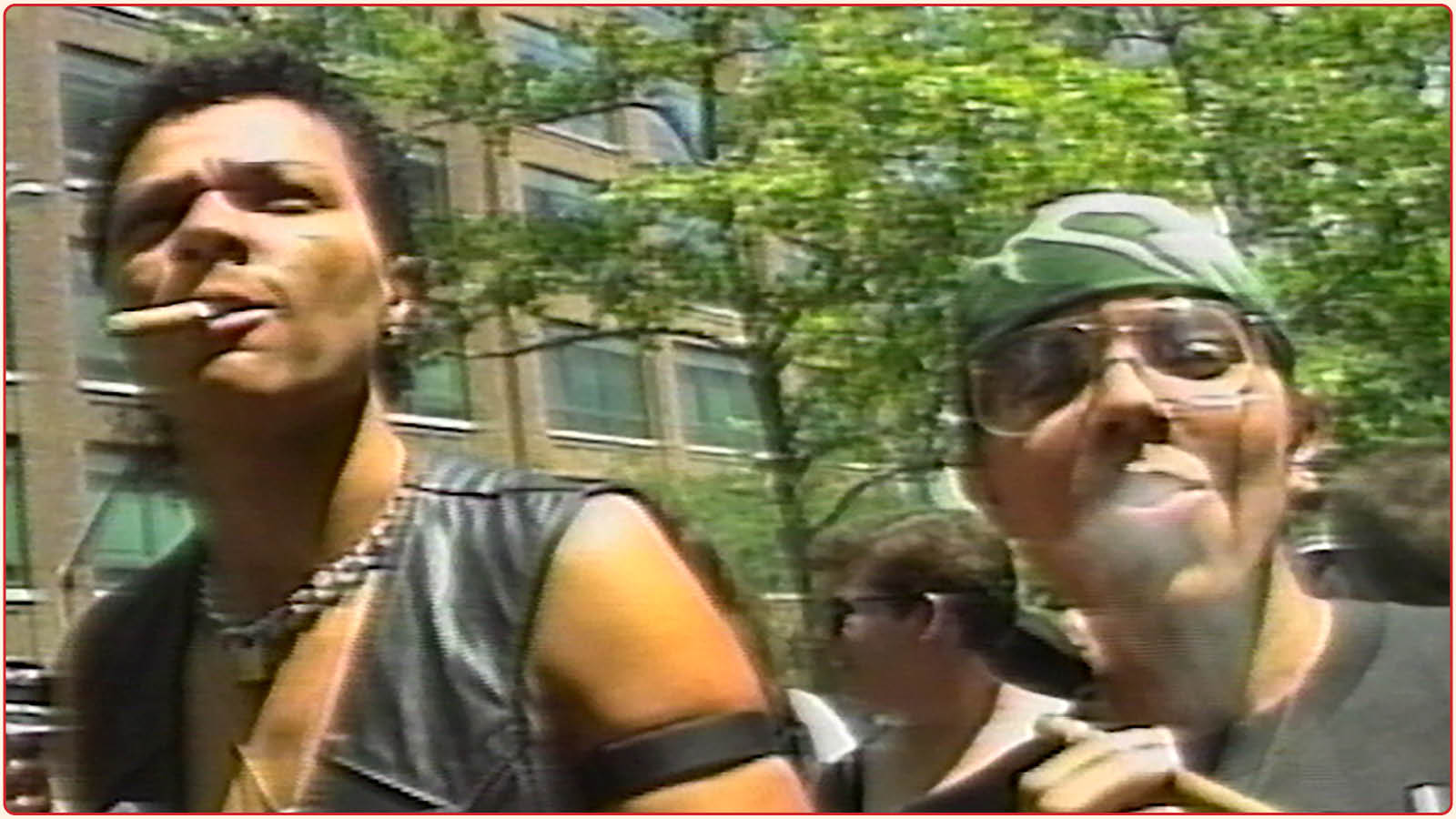
BloodSisters: Leather, Dykes and Sadomasochism, dir. Michelle Handelman, 1995
Handelman’s documentary is one of the best films made about the intersection of queer political action and identity. It presents the subculture of lesbian BDSM, predominantly focusing on leather dykes and butches, but is also trans inclusive (and in the case of sex writer Patrick Califia’s appearance, displays how his activism and involvement with BDSM predates his social transition). The film shows its subjects wanting to educate the curious and also to pushback against stigma. Made in the Clinton ’90s after the AIDS crisis wiped out a generation, there is a palpable tension over the compromises tied to queer people’s sense of belonging in American public life. But a consistent through line is the healthy cynicism about elected political officials: “You can’t trust them! And you can’t take your eyes off of them! And you can never think that you’re winning-because you’re not!” says leather dyke J.C. Collins, a quote I find prescient of today’s politics that scapegoat people like me and the people featured in this film.
WATCH BLOODSISTERS: LEATHER, DYKES AND SADOMASOCHISM
Caden Mark Gardner (he/him/his) is a film critic and the co-author of Corpses, Fools, and Monsters: The History and Future of Transness in Cinema.
MACKENZIE LUKENBILL SELECTS
Brighton Beach

2 Friends, dir. Jane Campion, 1986
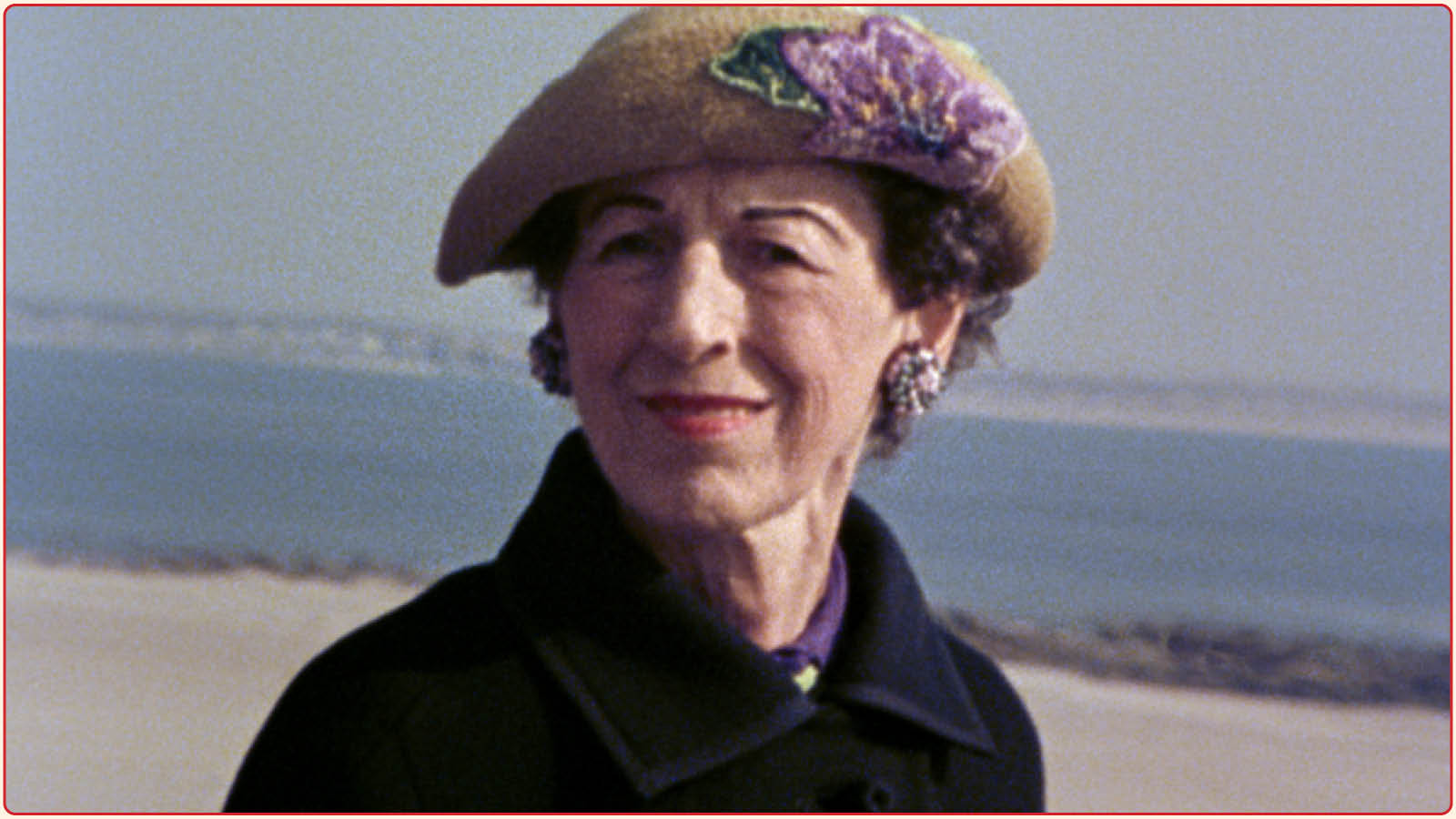
In May, I invited a recent New York transplant along to Brighton Beach. A startlingly thick fog hung over everything, though the boardwalk was still crowded and elderly Russians from nearby retirement complexes were still dutifully swimming parallel to the shore. Luna Park looked menacing; as if it were transposed from Carnival of Souls (1962). “There’s always something slightly off here,” I kept saying. “It’s my favorite; it’s kind of magic.” Documentarians Stein and Wittenberg must’ve felt a similar compulsion towards the surreality of Brighton when they began filming the boardwalk’s denizens in 1976. Old men take frigid swims to stay young, a put-upon family contends with the B train running right outside their window, a solitary vocalist asserts that he is and will always be the beachside crooner of Little Odessa-I wouldn’t be surprised to find him still singing there today.
Mackenzie Lukenbill is a time-based media archivist and documentary editor. They have contributed writing to BOMB Magazine and The Baffler.