
September IN THEATER

Daring Motion: The Films of Mark Lee Ping-bing
Opens September 6
Best known for his long creative partnership with Hou Hsiao-hsien, which has produced 10 features all remarkable for their graceful camera movement and a seductive, lustrous glow that imbues both scenes of quotidian contemporary life and opulent period pieces, Taiwanese-born Mark Lee Ping-bing has long been established as one of the most formidable cinematographers in not only east Asia but the world, sought out by a who’s who of filmmakers that includes Wong Kar-wai, Tran Anh Hung, Hirokazu Kore-eda, Ann Hui, Wang Tong, and more. A genius of the long take with an uncanny ability to coax indelibly composed images out of the most unpromising low-light conditions, committed to shooting on film whenever possible, Lee has, for four decades now, produced a superabundance of richly detailed, arresting compositions that beg to be seen on a big screen to be fully appreciated-so we’ve made ours available for the privilege.
Sponsored by the Taipei Cultural Center of TECO in New York, special thanks to director Hui-chun Chang

Series Includes:
Air Doll – Dust in the Wind – Endangered SpeciesStrawman – Flight of the Red Balloon – Flowers of Shanghai
The Great Buddha+ – Let the Wind Carry Me – Millennium Mambo
Norwegian Wood – A Time to Live and a Time to Die – The Vertical Ray of the Sun


Rabbit on the Moon
opens September 6
Critics of modernity have often held that industrialization-and, by association, the industrial art of cinema-was responsible for destroying the purity of peasant cultures and their homegrown folklore, but the films in this series suggest that cinema, like popular culture more generally, has just as often absorbed and amplified folklore, rendering it as something new: call it poplore. The age-old tradition of Japanese ghost stories begets Ugetsu and Kwaidan; classics by Petronius and Boccaccio beget masterworks from Fellini and Pasolini; Galician mythology begets Lois Patiño’s majestic Red Moon Tide; and the rich oral tradition of the Thailand countryside begets Apichatpong Weerasethakul’s Mysterious Object at Noon. From fireside vigils, bedtime stories, and antique illuminated manuscripts to the modern moviehouses, films that lend the mechanical wizardry of cinema to a shared heritage of international folk cultures and magical thinking.
Series Includes:
Mysterious Objects at Noon – Ugetsu – The Seventh SealNosferatu the Vampyre – Kwaidan – Red Moon Tide
The Legend of Suram Fortress – Fellini Satyricon – The Decameron
Inu-Oh – The Wailing – Song of the Sea
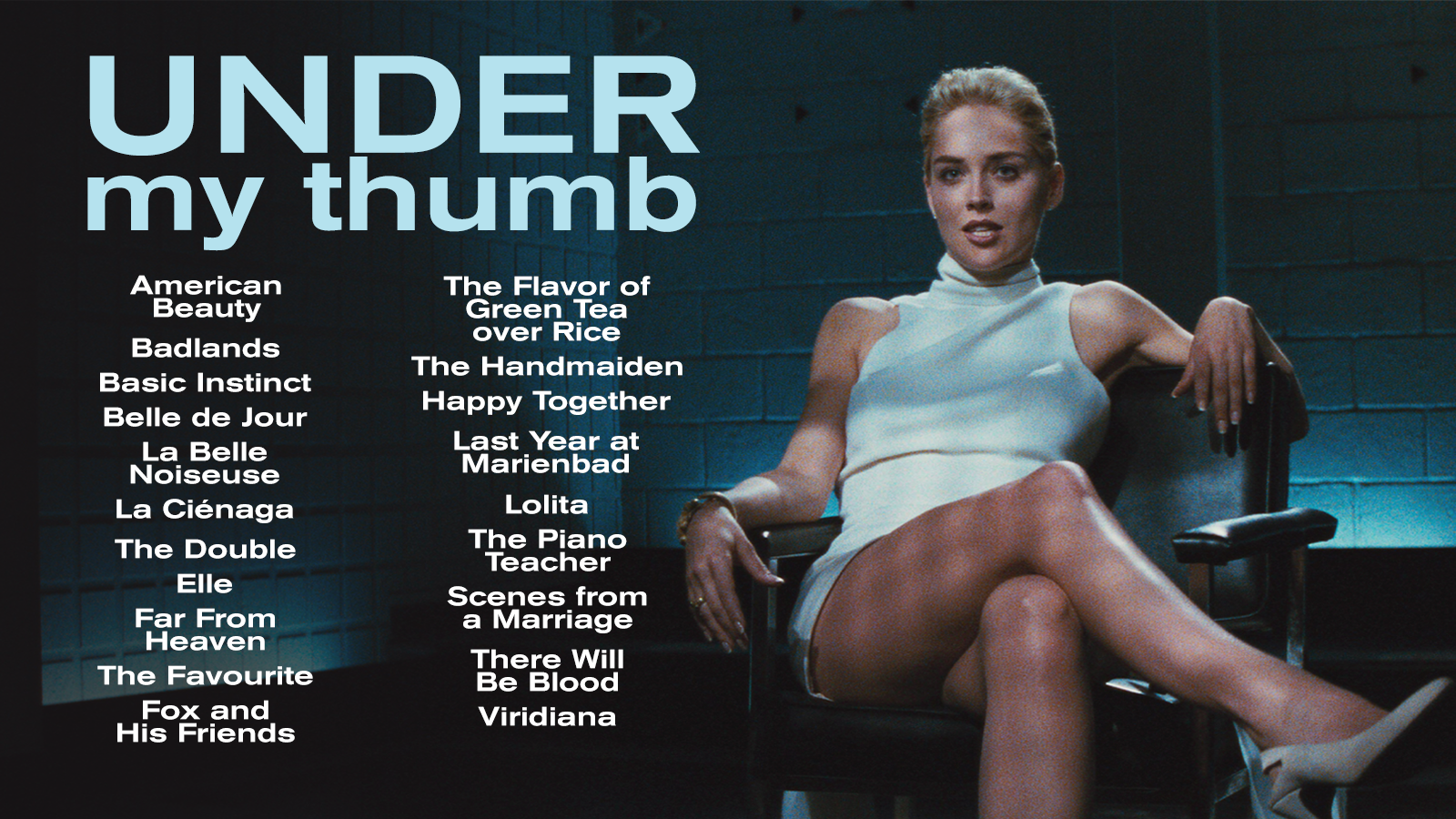
Under My Thumb
opens September 6
The tug-of-war of wills that occurs in relationships, turning bedrooms into a battlefields and simmering resentments into boiling cauldrons of rage, can make for some most stimulating cinema, as proven in this program of movie grudge matches featuring couples hetero and homo, relationships sexual, platonic, and hovering in that gray area in-between, and some particularly ingenious instances of “topping from the bottom.” With doomed love in Buenos Aires (Happy Together), masterful mindfucks from Isabelle Huppert (Elle and The Piano Teacher), a grinding war of attrition between a painter and his model (La Belle Noiseuse), and a ghostly bit of gaslighting at an ornate luxury hotel (Last Year at Marienbad), there’s no end of mind games and psychological chess maneuvers in this program of deviant delights that tests the adage “All’s fair in love and war…”
Series Includes:
American Beauty – Badlands – Basic Instinct – Belle de JourLa Belle Noiseuse – La Ciénaga – The Double – Elle
Far From Heaven – The Favourite – Fox and His Friends – The Flavor of Green Tea Over Rice
The Handmaiden – Happy Together – Last Year at Marienbad – Lolita
The Piano Teacher – Scenes From a Marriage – There Will Be Blood – Viridiana
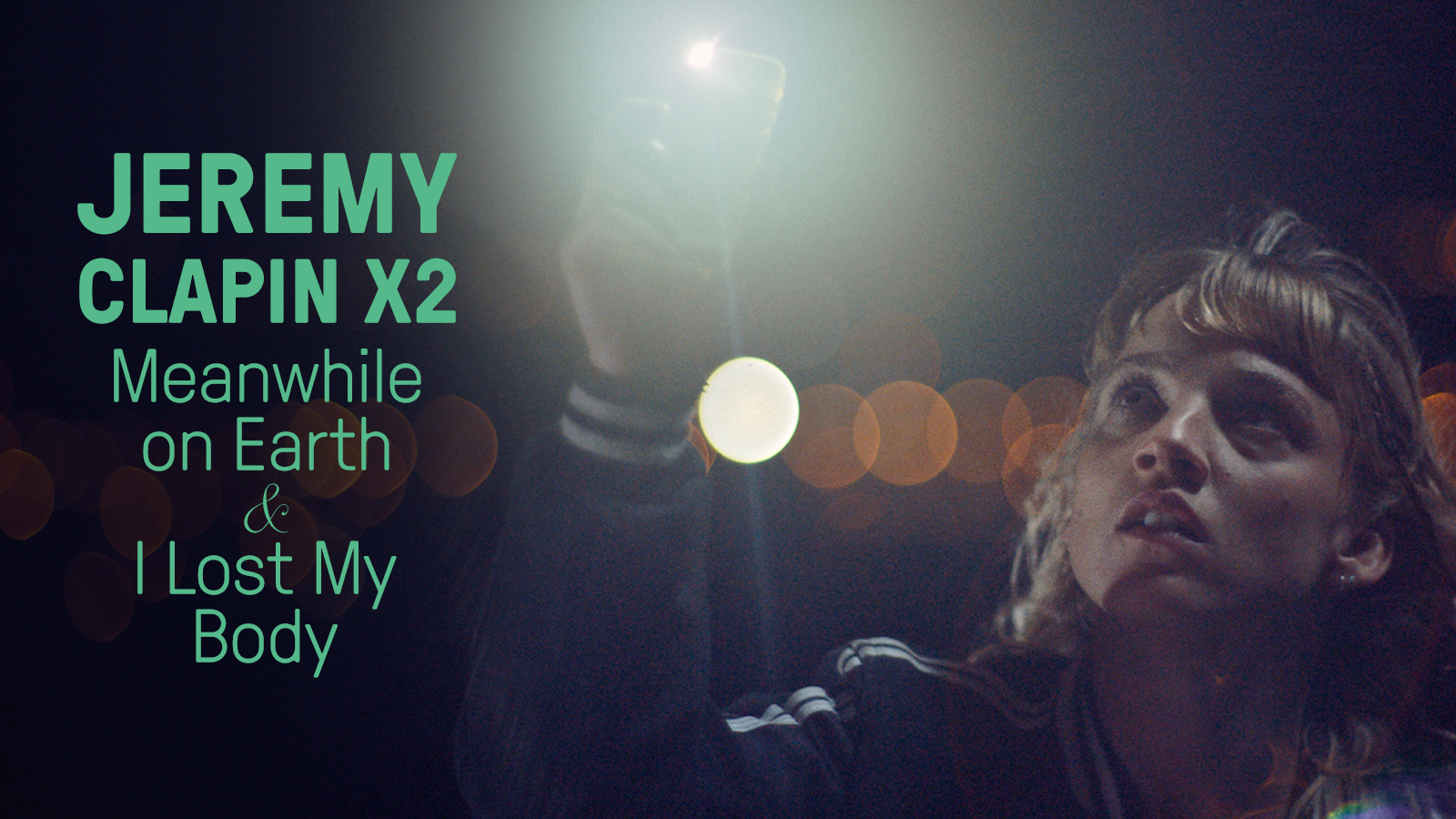
Jeremy Clapin x 2
September 7
This September, one of contemporary French cinema’s most imaginative new voices-Jérémy Clapin-joins Metrograph for one night only, presenting his acclaimed 2019 animated fantasy I Lost My Body and a preview screening of his latest, debuting fresh from this year’s Berlinale Film Festival, the gripping sci-fi Meanwhile on Earth, a Metrograph Pictures release.
Featuring Q&As with director Jeremy Clapin

Won’t You Be My Neighbor
opens September 7
In contrast to the individualistic cinema tradition of the “main character” picture, there exists a counter-tradition of the community film, movies in which the “protagonist” is a city block, a neighborhood, an entire village, and screen time is generously distributed across a variety of local characters, each with their own motives, works that allow the viewer to understand how they cohere into an organic whole-even if the organism isn’t necessarily healthy. Stopping in such diverse destinations as Tokyo’s Yoshiwara red-light district, the dinky Dordogne village of Trémolat, and South Central LA, with films by Kenji Mizoguchi, Claude Chabrol, John Singleton, and more, the movies in Won’t You Be My Neighbor are studies of community ecosystems, in which a single splash can spread ripples across the entire pond.
Series Includes:
Boyz N the Hood – Chan is Missing – Dodes’ka-denOne Way or Another – Street of Shame
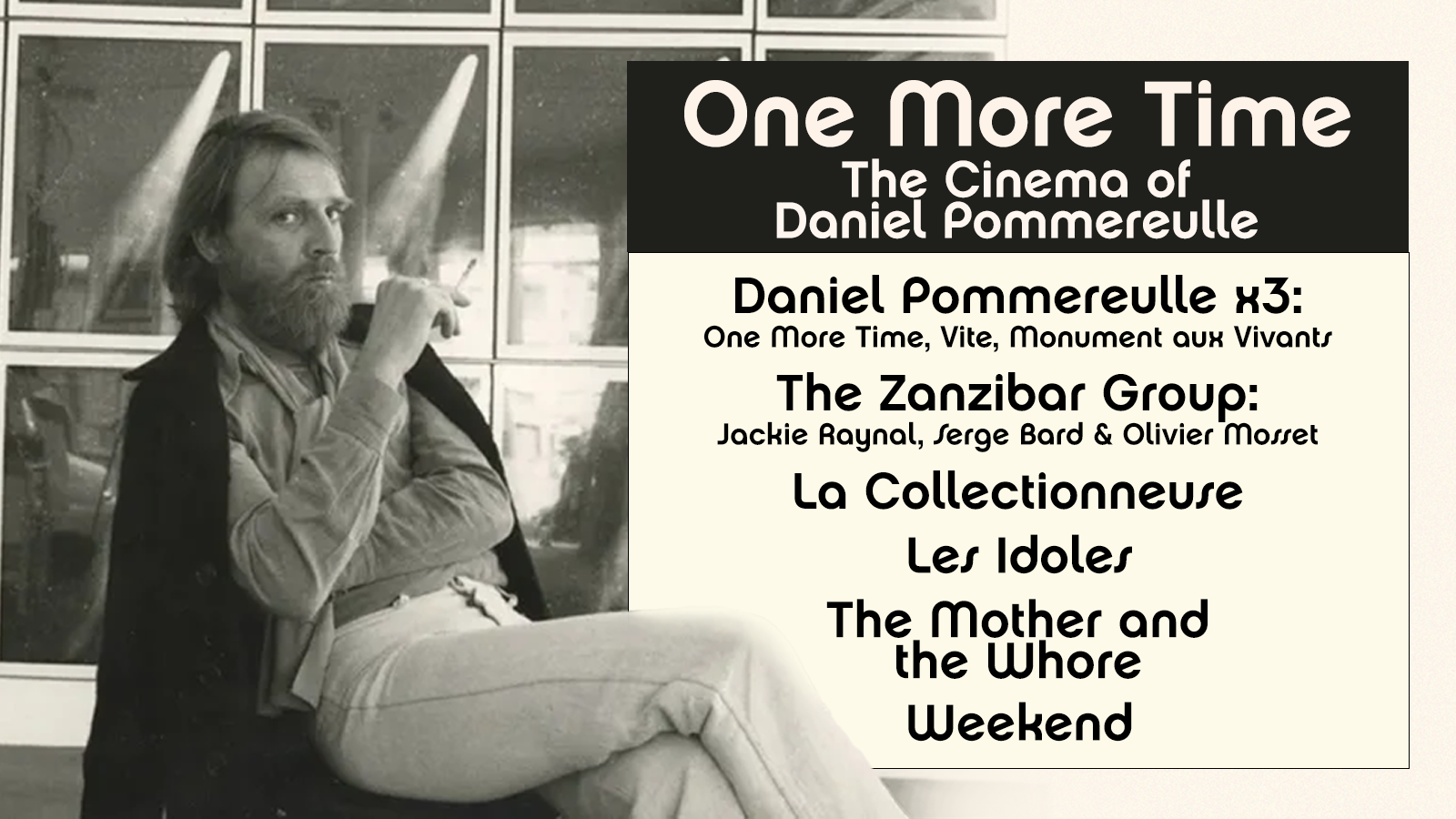
One More Time: The Cinema of Daniel Pommereulle
Opens September 13
“The French artist and filmmaker Daniel Pommereulle (1937-2003) was one of those people who could stand firm against the all-consuming metropolis: someone who never compromised, who never sold his soul-even to America. We joyously return Pommereulle to New York: a necessary encounter, a poetic reward.” -Armance Léger and Boris Bergmann
Coinciding with the first US solo show of French artist Pommereulle, opening September 12 at the Grand Street Gallery Ramiken in New York, co-curators Léger and Bergmann present a film program focusing on the proteiform artist Pommereulle, a self-taught actor who appeared in films by Éric Rohmer (La Collectionneuse) and Jean-Luc Godard (Weekend), fraternized with the likes of Jean Eustache or Marc’O (Les Idoles) and the experimental Zanzibar Group, as well as directing two remarkable experimental shorts of his own. A consideration of a trenchant, conscientious artist’s singular relationship to the world of cinema that’s also a cross-section of some of the most revolutionary French film art to come out of the 1960s and ’70s.
Series curated by Boris Bergmann and Armance Léger.
In Partnership with Ramiken
With the support of Villa Albertine, in partnership with the French Embassy in the US
Series Includes:
Daniel Pommereulle x 3 – The Zanzibar Group – La CollectionneuseLes Idoles – The Mother and the Whore – Weekend

Fernando Di Leo: Pulp Maestro
opens August 16
The director of street tough movies with a front seat view to the crossfire of Italy’s turbulent, lawless, political violence-filled Anni di piombo-the “Years of Lead” from the late ’60s to the end of the ’80s-Fernando Di Leo, whose early work as a screenwriter included uncredited work on Sergio Leone’s Man with No Name films, was one of the most gifted artists to work in the poliziotteschi, or police procedural genre, and a titanic influence on filmmakers such as Quentin Tarantino. Outspoken in their disillusion at the social order controlled by the cooperative combine of capitalist, church, and mob capo, boasting scuffling stick-and-move camerawork, percussive cutting to pulsing, proggy soundtracks, and fierce performances from a rogue’s gallery of actors that includes Henry Silva, Jack Palance, and Mario Adorf, Di Leo’s best genre works double as howls of dissidence towards an unjust system, their savagery having lost none of its power to shock today.
Series Includes:
The Boss – Caliber 9 – A Fistful of DollarsThe Italian Connection – Pulp Fiction
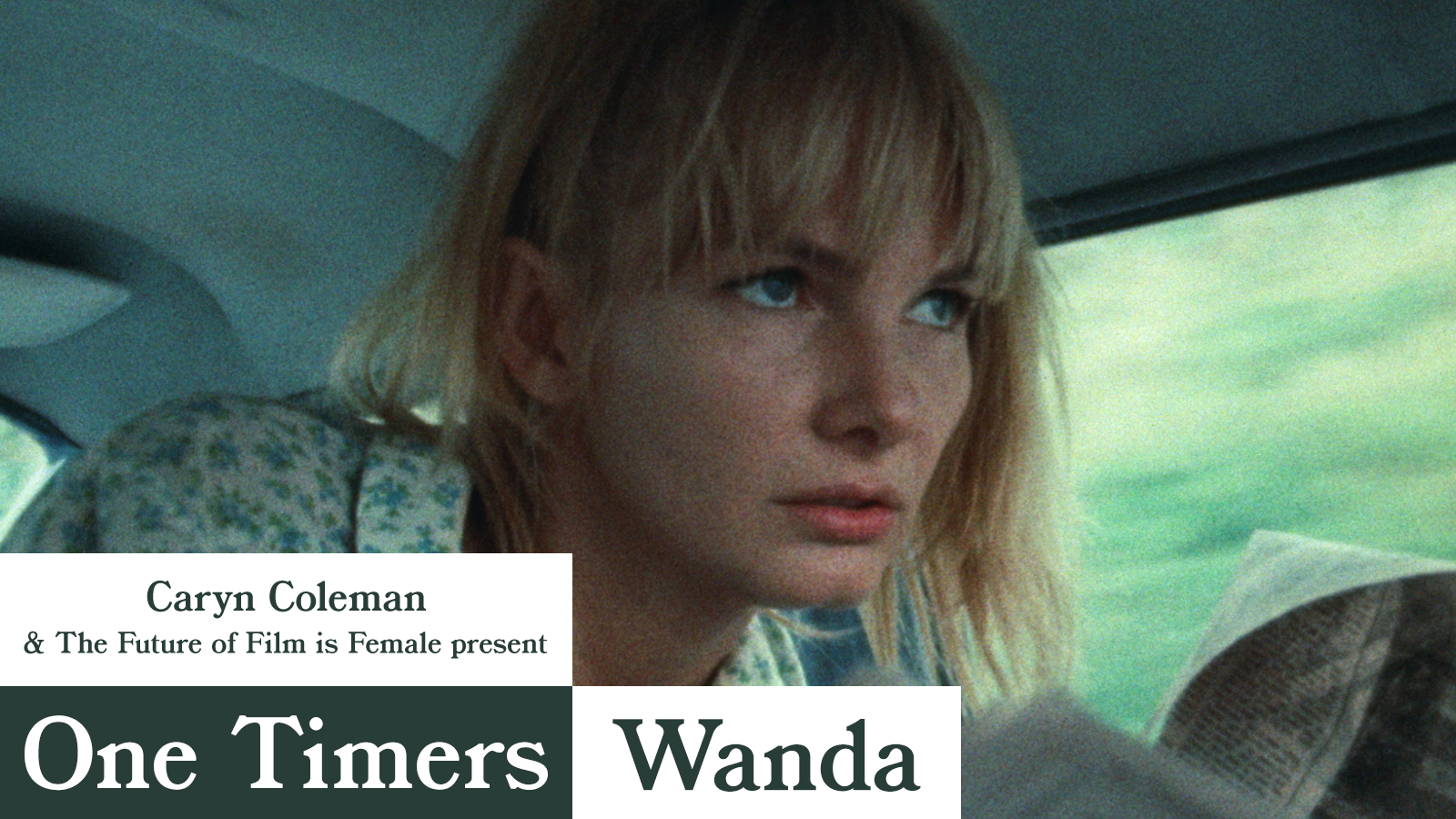
One Timers
Opens September 13
“Single films by singular filmmakers. In the past decade, restorations and the reemergence of remarkable first-and-only feature films like Kathleen Collins’s romantic exploration Losing Ground (1982), Christina Hornisher’s grindhouse-meets-arthouse Hollywood 90028 (1973), and Barbara Loden’s bleakly feminist Wanda (1970) have introduced audiences to what we’ve been missing. Their rediscovery rightly solidifies a place in film history but it also begs the question: “What would have happened if these women had been able to make another film?” The series One Timers highlights debut feature films by women directors from 1970-2000 in celebration of these previously overlooked, significant contributions and a call that we don’t allow this to happen to this generation of women filmmakers.” -Caryn Coleman, Film Programmer and Founder, The Future of Film is Female

Twilight of the Warriors: Walled In
Opens September 13
A runaway hit in Hong Kong, where it became the second-highest grossing domestic picture of all time, Cheang’s inspired mash-up of martial arts movie and neo-noir crime thriller takes a headlong dive into the cramped, lawless Kowloon Walled City-a decommissioned 19th-century military fort, since demolished, here recreated by a miracle of mangy production design-in the dirty, desperate old days of the crime-plagued 1980s. New in town, illegal immigrant Raymond Lam finds himself smack in the middle of an all-out war between local vigilantes, led by Louis Koo, and triad capos, including a blinged-up Sammo Hung and sidekick Philip Ng, their savage decapitation- and defenestration-filled clashes choreographed for maximum bone-crunching impact by Kenji Tanigaki.

WE WANT MOORE
opens September 13
The rapturous reception of Demi Moore’s performance in Coralie Fargeat’s The Substance at this year’s Cannes Film Festival seems to have reminded many people that the New Mexico-born actress is a bona fide movie star-not just in terms of box office receipts and magazine cover shoots, but in her seemingly effortless ability to command the screen every time she walks into frame. In We Want Moore we’ve brought together some other timely reminders, including the popular phenomenon that was Ghost, her 2011 turn as a no-nonsense risk management officer in J.C. Chandor’s Margin Call, and key films from Moore’s reign as the undisputed queen of the ’90s erotic thriller/drama (Indecent Proposal, Disclosure, Striptease), tantalizing throwbacks to a time when Hollywood wasn’t terrified by the topic of sex. A pioneer for pay equity in her male-dominated industry and a performer capable of steely resolve and touching vulnerability, there’s never a wrong time to go back for Moore.
Series Includes:
Disclosure – Ghost – Indecent ProposalMargin Call – Striptease
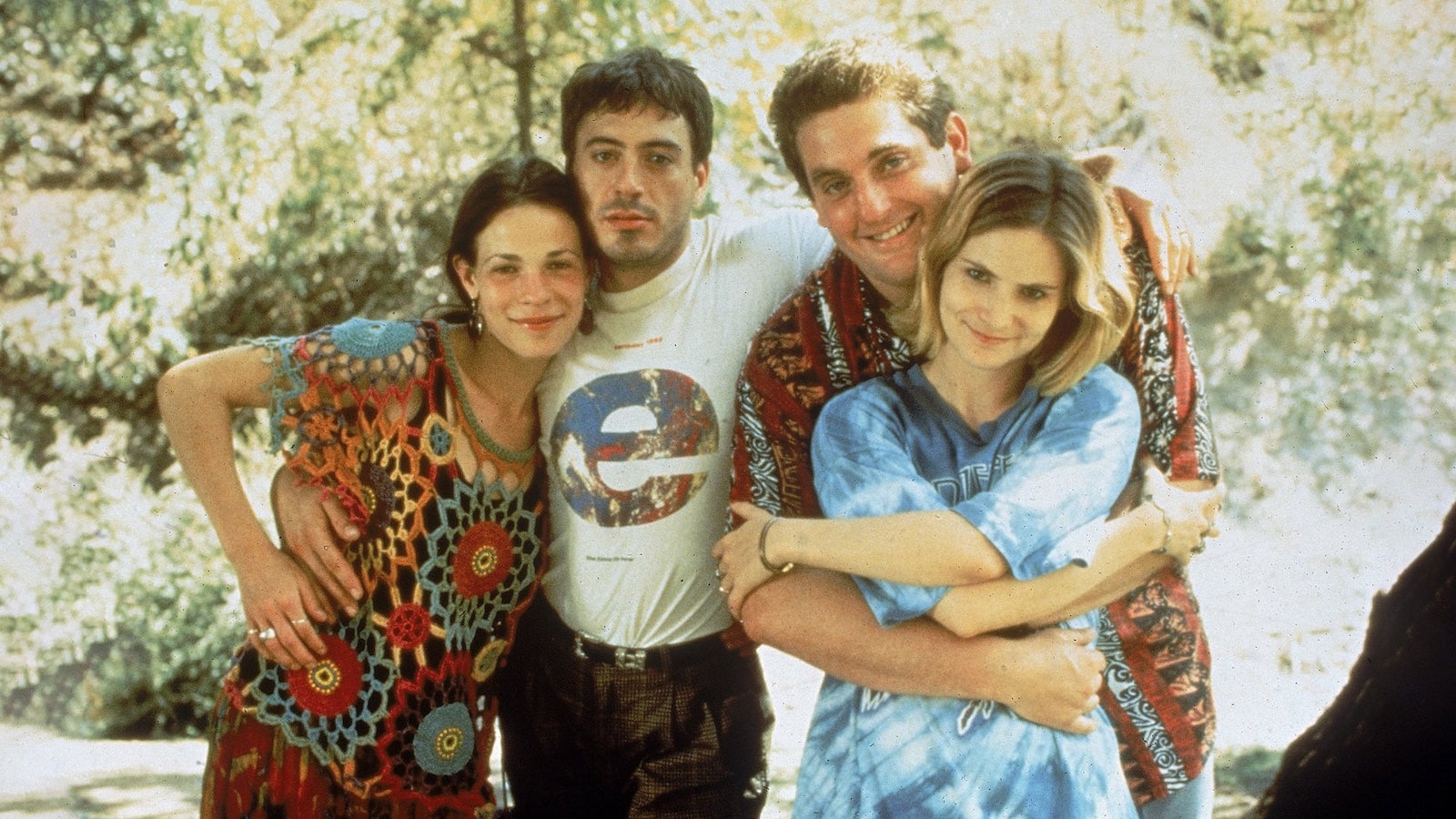
Filmcraft: American Cinema Editors
September 14
For one special night, editor Suzy Elmiger joins Metrograph to discuss in-depth her work on the none-too-short process of editing one of the key American films of the 1990s: Robert Altman’s Short Cuts (1993).
American Cinema Editors (ACE) is dedicated not only to advancing the art and science of the film editing profession, but also to helping the public understand the role of the editor and the impact their contributions have on a motion picture. With this series, ACE pairs a great film and a moderated conversation with that film’s editor, providing a glimpse into one of cinema’s most vital but least understood artistic practices.
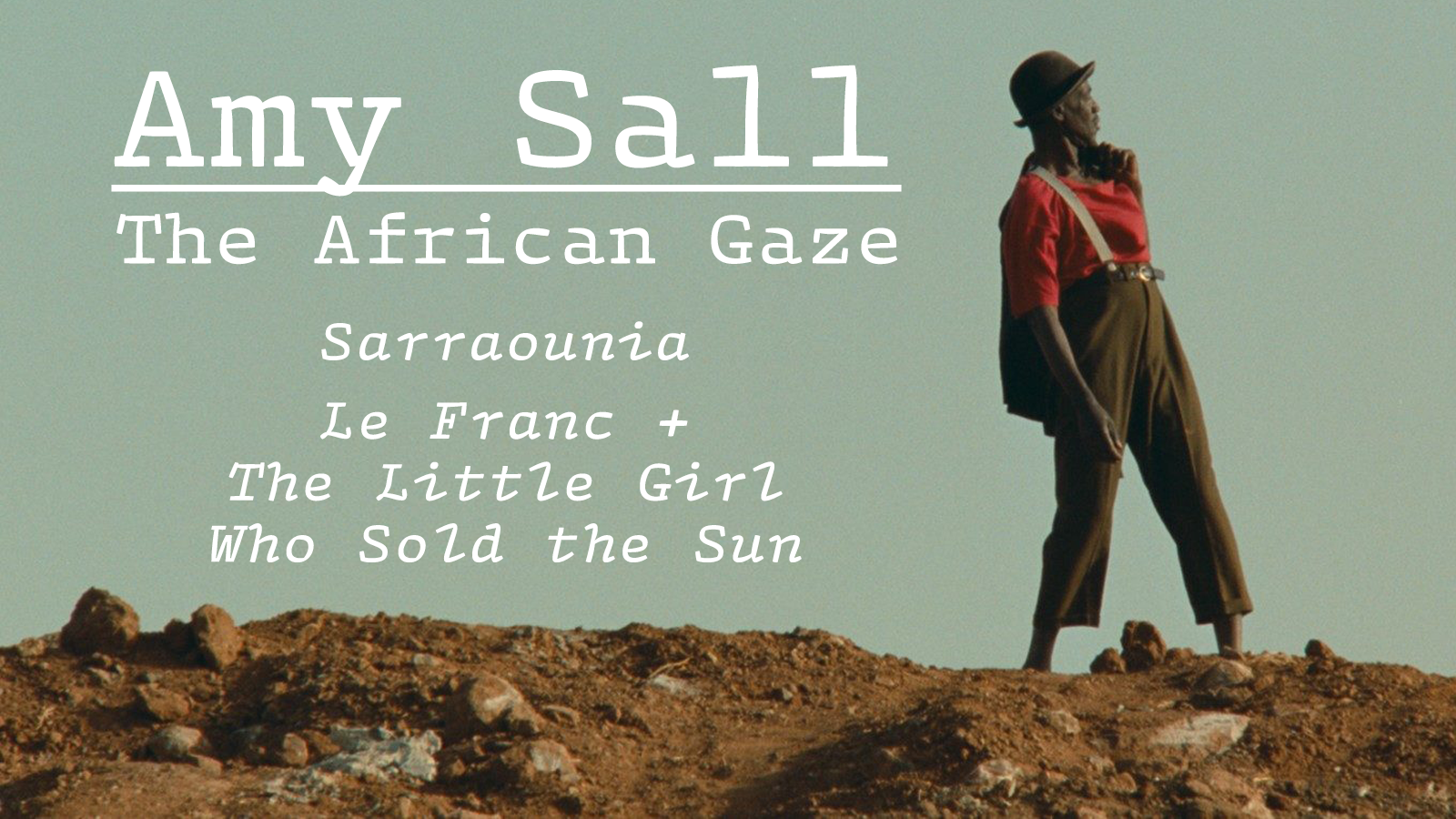
Amy Sall: The African Gaze
opens September 20
Accompanying our book launch event to mark the release of author, editor, archivist, and researcher Amy Sall’s The African Gaze: Photography, Cinema and Power-an exhaustive survey of postcolonial still photography and cinema work from Africa featuring almost 300 photographs and interviews with key figures of the last 60+ years of image-making on the continent, including Malian director Souleymane Cissé—a one-night-only screenings series with films by Med Hondo and Djibril Diop Mambéty, both of whose work Sall gives extensive attention in her remarkable, ambitious, and eminently readable tome.
“Med Hondo’s Sarraounia and Djibril Diop Mambéty’s two shorts screening here-Le Franc and The Little Girl Who Stole the Sun-exemplify the social breadth, storytelling heft, and enduring teachings of African cinema. This trio of screenings form a transtemporal constellation of continental history which speak to present realities. Hondo and Mambéty’s films convey a range of African political resistance and reflect a stunning stylistic multiplicity.” -Amy Sall
Series Includes:
Le Franc + The Little Girl Who Sold the Sun – Sarraounia

Eureka
opens September 20
Reuniting with Viggo Mortensen, star of his 2014 Jauja, Alonso’s latest cinematic reverie is a stunning stylistic shapeshifter, its triptych of beguiling, fable-like tales united by their engagement with Indigenous culture in the Americas. Gruff gunslinger Mortensen’s frontier town encounter with Chiara Mastroianni is followed by the spare narrative of a policewoman (Alaina Clifford) making her rounds in a Lakota Sioux reservation in present-day South Dakota, from where another bold narrative leap lands us amongst a tribal community in the Amazon basin c. 1970. Spanning epochs and continents, Alonso’s elusive and at times almost hallucinatory film is an extraordinarily rich open-ended work of, per the director, “uncertain conclusions,” brimming with ambiguous allusions and unexpected associations.

Lisandro Alonso’s Desolate Sublime
Opens September 20
In three formally exacting, utterly entrancing films-Los Muertos, Jauja, and Eureka, which premiered at last year’s Cannes Film Festival and screens at Metrograph as a week-long run-Buenos Aires-based Alonso has radically re-imagined and reinvigorated the classical Western. United by landscapes of melancholy beauty, disarming narrative experimentation, mesmeric and hypnagogic pacing, and a focus on solitary wanderers on missions with often obscure motives, Alonso’s dreamlike cinematic journeys-through the Amazon basin, the Dakota Badlands, and even 19th-century Denmark-are Westerns concerned less with Manifest Destiny than with manifesting mystery, trips into the undiscovered across a frontier that will not be subdued by the rationalizing forces of so-called civilization.
Series Includes:
Eureka – Jauja – Los Muertos

Screen Time at Metrograph
opens September 20
It’s never too early to get your kids started on quality cinema, and with that in mind Metrograph introduces Screen Time, a regular series for youngsters of all ages that includes both specially curated screenings for children, tweens, and their parents, as well our popular program Art Cinema for Tots, in which we present a suite of experimental films dazzle and delight very young eyes.
Series Includes:
Art Cinema for Tots: Messages – Corpse Bride – School of Rock

Around Ludlow: Chinatown Basketball Club in Films
September 21
A new platform for the exciting community around Metrograph, including filmmakers, artists, arts’ organizations, and social clubs based in our home of Ludlow Street and the surrounding area. Around Ludlow celebrates our unique community, inviting our neighbors to come in and make themselves at home, beginning with a guest programming stint from the Chinatown Basketball Club.
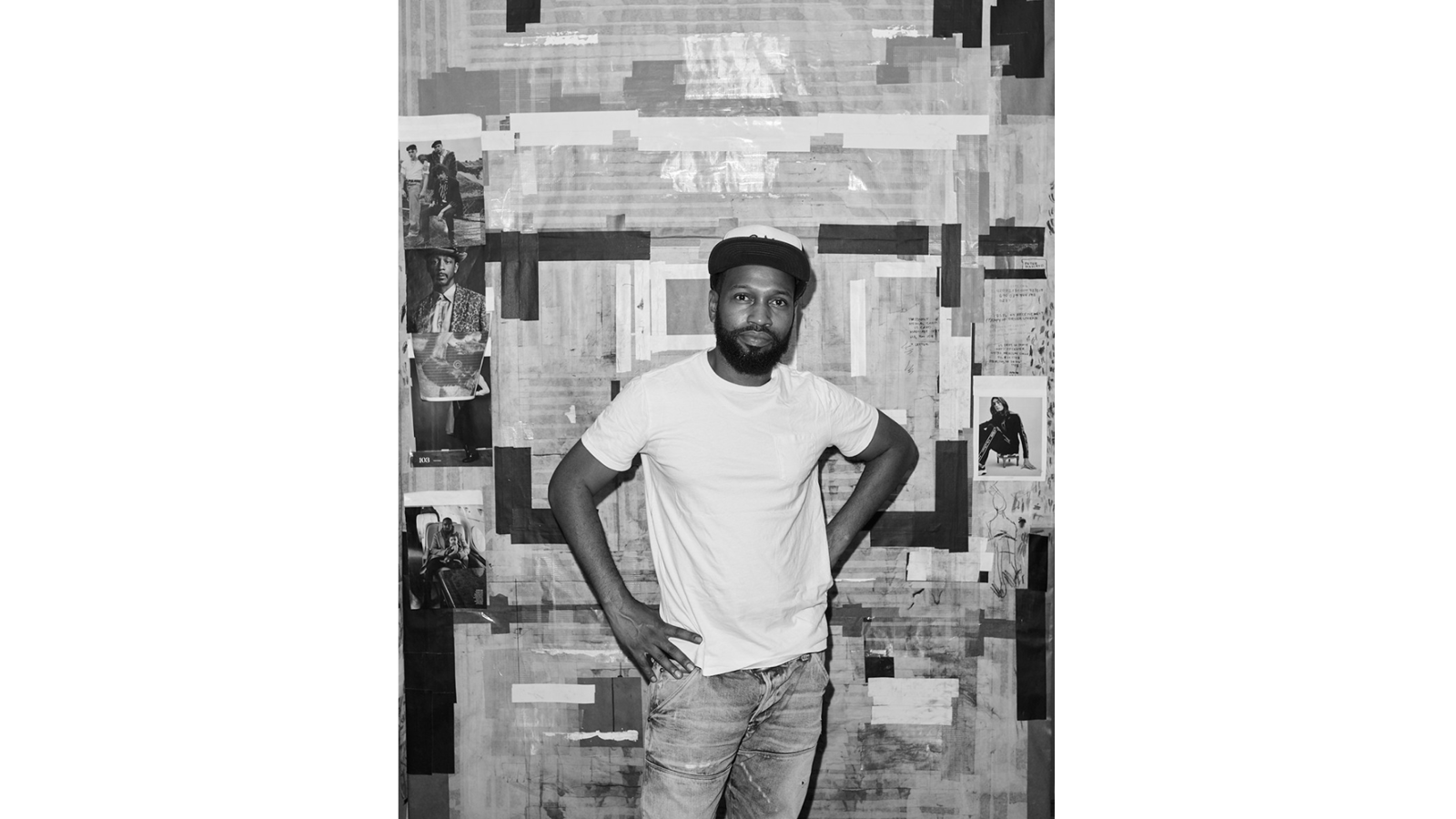
Nathaniel Mary Quinn Selects
opens September 27
Artist Nathaniel Mary Quinn curates a selection of favorite films that have influenced his practice, continuing a programmer-in-residence series co-presented with Gagosian.
“I enjoy films where the protagonist strives to achieve something great while failure hunts them, or the fear and threat of not making it is a looming weight. These movies, in particular, highlight a nuanced motive underneath the drive for success, for becoming somebody in life, for making something of yourself: that the so-called pursuit of greatness and making one’s dreams come true is essentially about making sure that whenever you’re alone in a room, sitting in silence, that inadequacy is still not your roommate.” -Nathaniel Mary Quinn
Series Includes:
A Raisin in the Sun – Hustle & Flow – Lust for Life

In Her Skin
Opens September 27
Writing about Agnès Varda’s Cléo from 5 to 7 and its “unsentimental and subjective” tone in the pages of the New Yorker, Pauline Kael called it “one of the few films directed by a woman in which the viewer can sense a difference.” The exact nature of this difference would shortly become a matter of hot debate-in Laura Mulvey’s controversial 1975 essay “Visual Pleasure and Narrative Cinema” and Chantal Akerman’s breakthrough Je tu il elle of the previous year-and the definition of “male” and “female” cinematic gazes, and discussion of their implications, continues to this day. Along with Varda and Akerman’s aforementioned films, In Her Skin showcases features-by such artists as Rungano Nyoni, Sebastián Lelio, and Audrey Diwan-which endeavor to create a visual language for their female protagonists’ stories that renders these women as subjects rather than objects, producing films in which, per Kael, you can sense a difference.
Series Includes:
Cléo from 5 to 7 – A Fantastic Woman – HappeningI Am Not a Witch – In the Cut – Je tu il elle
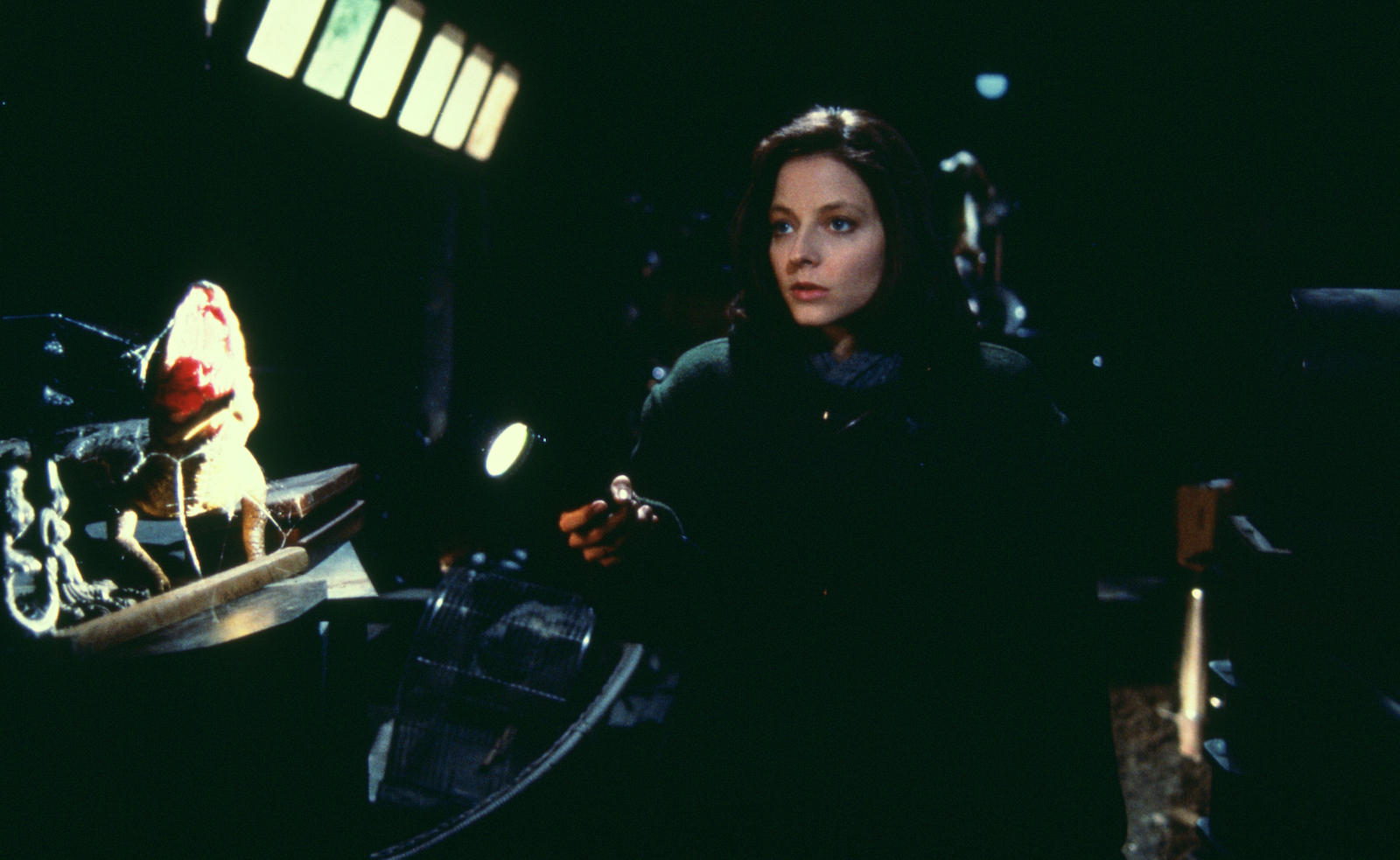
Filmcraft: Anthony Jannelli, Camera Operator
September 28
“Sixty days, one single camera, 35mm celluloid, four-person camera team, five Oscars!”-Anthony Jannelli
As part of Metrograph’s ongoing tribute to those that bring the movie magic to life, we spotlight Anthony Janelli, one of those intrepid four he mentions above, the camera operator working with Jonathan Demme’s repeat collaborator, cinematographer Tak Fujimoto, on perhaps the most acclaimed horror film ever made, Silence of the Lambs (1991).
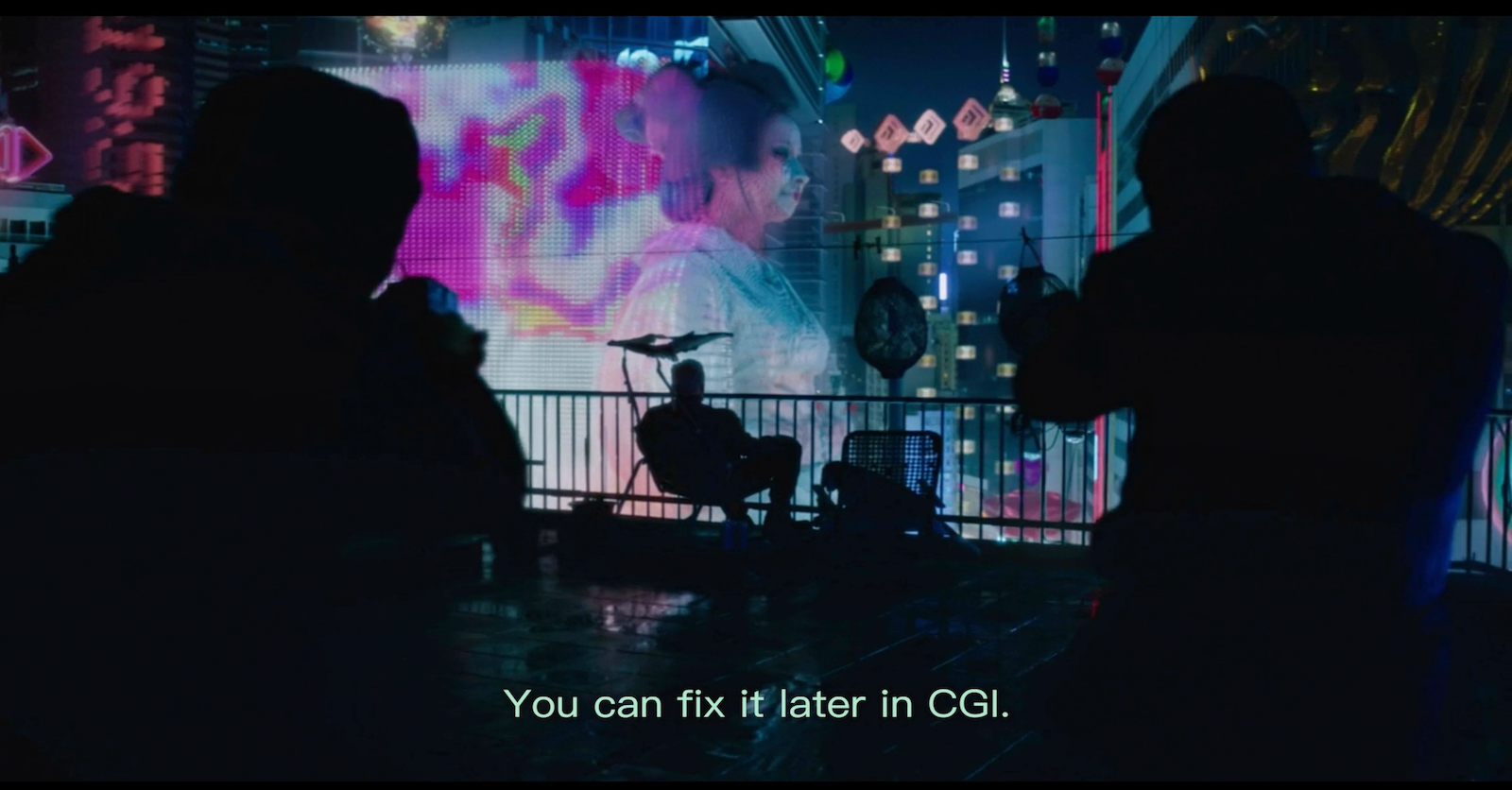
A4 Presents: Asian Counterfutures
September 28
“Asian American Arts Alliance (A4) is pleased to partner with Metrograph on a special screening around the topic of Asian Counterfutures. A critical component of our mission is to challenge traditional depictions of Asians and Asian Americans in American cinema as either wholly absent, derogatory, or otherwise misrepresented. This program centers contemporary Asian artists and filmmakers invested in decelerating a future rife with exacerbated inequity. Whether expressing pessimism about humanity in the face of automation or a desire to escape earthly existence altogether, these four short films prompt new questions about where we’re headed.” -Asian American Arts Alliance
Series Includes:
Cyber Palestine – La VisiteuseSinofuturism – Virtually Asian